





The Alarming Discovery
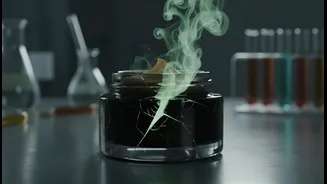
The Maharashtra Food and Drug Administration (FDA) recently issued a public warning against three illegally sold cosmetic creams after lab tests found dangerously high levels of mercury and lead. The products, identified as Goree Beauty Cream, Face Fresh
Gold, and Golden Star Beauty Cream, were declared substandard and pulled from shelves. The alert was triggered in part by a pattern of kidney ailments reported by doctors in Nagpur, where 18 women who used one of the creams suffered from kidney problems over two years. FDA tests confirmed that one of the creams contained mercury levels far exceeding the legal limit. Officials have ordered retailers and e-commerce platforms to halt all sales and distribution immediately.
Mercury’s Unseen Damage
So, why is mercury in a face cream a major public health concern? Mercury is sometimes added to skin-lightening products because it inhibits the production of melanin, the pigment that gives skin its color. This can result in a temporarily lighter complexion, which is a desirable outcome for users targeted by claims of 'instant fairness'. However, the cost to health is severe. Mercury is a highly toxic heavy metal that can be absorbed through the skin. According to the World Health Organization and other health bodies, prolonged exposure can lead to serious health issues, including kidney damage, neurological disorders, tremors, memory problems, and skin rashes. The danger isn't just to the user; mercury can contaminate household surfaces and affect family members, including children.
The Gap Between Presence and Proof
This is where the headline's question comes into focus. The FDA alert proves that certain products contain illegal and dangerous amounts of mercury. It also confirms that these specific products are unsafe for use. What it cannot do, on its own, is definitively prove that a specific tube of cream caused a specific person's kidney failure years later. Establishing a direct causal link between long-term use of a cosmetic and a complex disease like kidney failure is incredibly challenging. It requires extensive medical investigation to rule out all other potential causes. The alert flags the presence of a known poison and the potential for harm, but the burden of proving direct causation in an individual medical case remains a high bar. The alert proves the risk is real, but not necessarily the outcome in every single user's body.
A Widespread Regulatory Challenge
The problem is much bigger than these three creams in Maharashtra. Studies have shown that while most cosmetics manufactured in India adhere to safety limits, some imported and illegally sold creams contain alarmingly high concentrations of mercury. These products often enter the country through unofficial channels and are sold on e-commerce sites or in local markets, bypassing regulatory checks. Many of these banned products also lack mandatory labelling, such as the manufacturer's address, batch number, or expiry date, making them impossible to trace. This creates a huge challenge for regulators trying to control a vast, porous, and increasingly online market.
How Consumers Can Stay Safe
Until regulation can fully catch up, consumer vigilance is the best defence. Experts advise buyers to be extremely wary of products that promise dramatic or instant skin lightening. Always check for proper labelling. According to the Drugs and Cosmetics Act, all cosmetics sold in India must list their ingredients and provide manufacturer details. If a product has no label, a foreign label without an official Indian importer sticker, or makes claims that seem too good to be true, it's best to avoid it. Specifically, check the ingredient list for terms like 'mercury', 'mercurous chloride', 'calomel', or 'mercuric'. Purchase cosmetics from reputable, authorised sellers and pharmacies rather than unverified online pages or street vendors.