

In the modern Indian kitchen, the humble, traditional dal often shares pantry space with the trendy superfood, quinoa. Both are praised for their health benefits, but they are far from interchangeable. Here’s how they really stack up.
The Contenders: A Quick Introduction
First, let's clarify
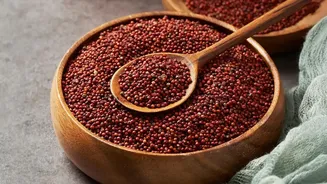
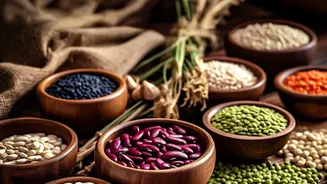
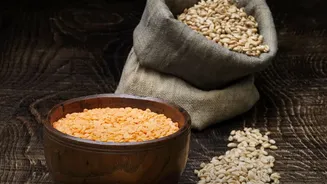
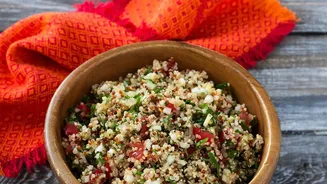
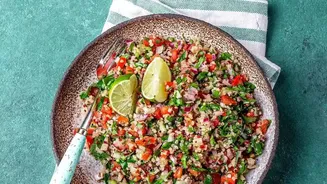
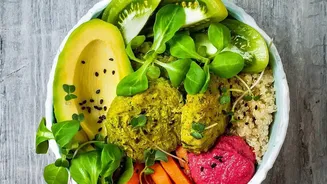
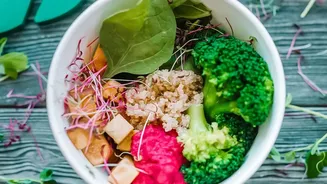
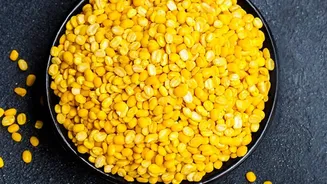
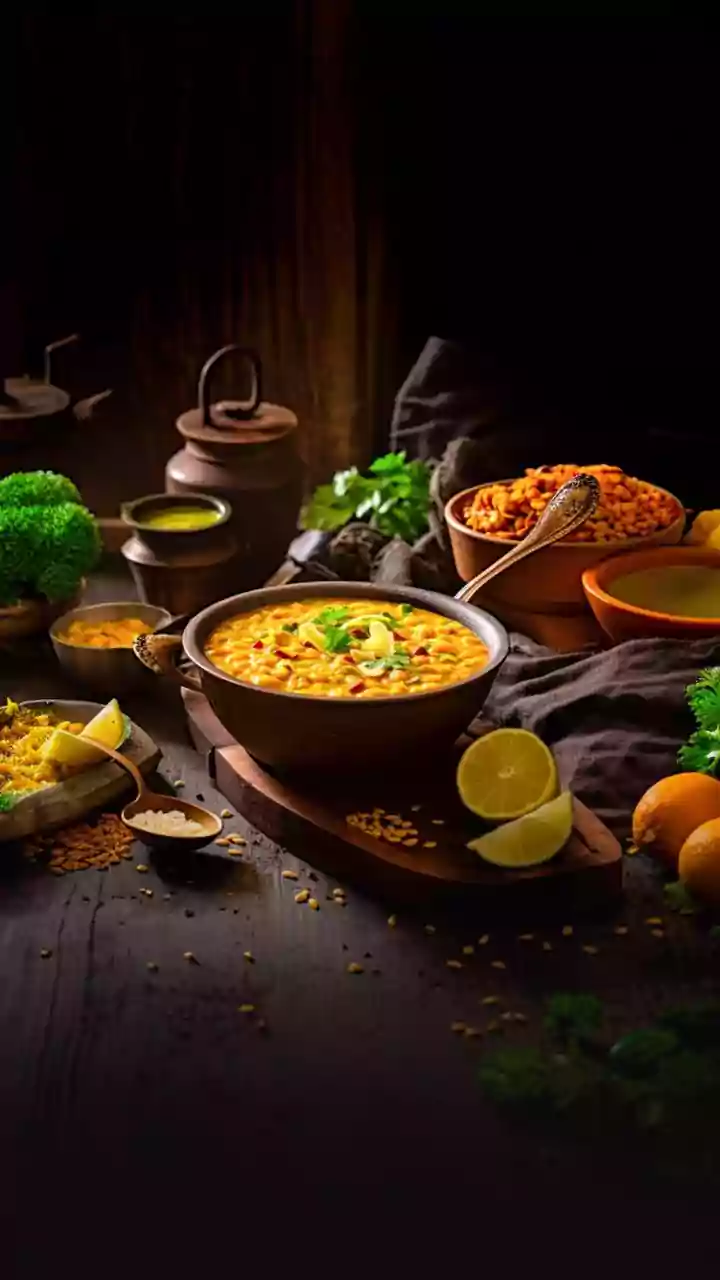
what we're comparing. 'Dal' refers to cooked split lentils, a cornerstone of Indian cuisine available in countless varieties like toor (pigeon pea), masoor (red lentil), and moong (mung bean). Lentils are pulses, which are the edible seeds of legume plants. Quinoa, on the other hand, is a seed from the Chenopodium quinoa plant, which is botanically related to spinach and amaranth. Though we cook and eat it like a grain, it's technically a 'pseudocereal'. Native to the Andean region of South America, it has gained global popularity as a gluten-free alternative to rice and other grains.
The Nutritional Showdown
This is where the differences become most apparent. Quinoa's main claim to fame is that it is a 'complete protein', meaning it contains all nine essential amino acids that our bodies cannot produce on their own. However, when it comes to the sheer quantity of protein and fibre, lentils are the clear winner. A 100-gram serving of cooked lentils packs about 9 grams of protein and nearly 8 grams of fibre. The same amount of cooked quinoa offers about 4.4 grams of protein and 2.8 grams of fibre. While lentils are not a complete protein on their own, this is easily remedied in the Indian diet by pairing them with a grain like rice or roti, a practice that creates a complete amino acid profile. Lentils also boast higher levels of essential nutrients like folate and iron, which are crucial for public health in India where anaemia is a concern. Quinoa does have higher amounts of minerals like magnesium and manganese.
Glycemic Index and Blood Sugar
For those managing blood sugar, both foods are good choices, but lentils have a slight edge. The glycemic index (GI) measures how quickly a food raises blood sugar levels. Lentils have a very low GI, typically around 32, while quinoa's GI is around 53. Both are considered low-GI foods, but the slower release of sugar from lentils can help maintain steadier energy levels and keep you feeling full for longer.
In the Kitchen: Flavour, Texture, and Cooking
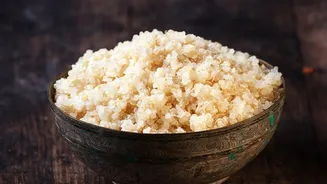
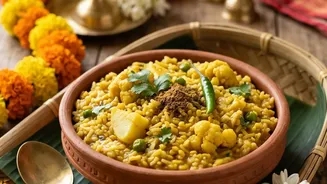
Quinoa and dal play very different roles in the kitchen. Quinoa cooks quickly, in about 15–20 minutes, and has a light, fluffy texture and a mild, nutty flavour. It’s important to rinse quinoa before cooking to remove saponins, a natural coating that can taste bitter. Its versatility is its strength; it works well as a base for salads, a substitute for rice, or even in breakfast porridge. Lentils, especially the split red and yellow varieties used for dal, cook down to a creamy, thick consistency, perfect for comforting soups and curries. While some lentils like green or brown ones hold their shape for salads, their primary role is in hearty, stew–like dishes. You can make a quinoa 'khichdi', but it won't replicate the traditional creamy texture of one made with dal and rice.
The Price Point
For most households, cost is a significant factor, and here the difference is substantial. Lentils are a staple food in India and are extremely affordable. Prices for common dals are a fraction of what you would pay for quinoa. Although the price of quinoa has decreased as it becomes more widely cultivated in India, it is still marketed as a premium health food and remains significantly more expensive than lentils. From a budget perspective, dal offers far more nutritional value for your money.