




A New Morning Ritual
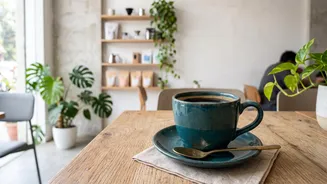
Across India’s bustling urban centres, a different kind of coffee culture is taking root. In minimalist cafes from Bengaluru to Mumbai, the hiss of an espresso machine and the careful spiral of a pour-over have replaced the simple flick of a kettle. Young
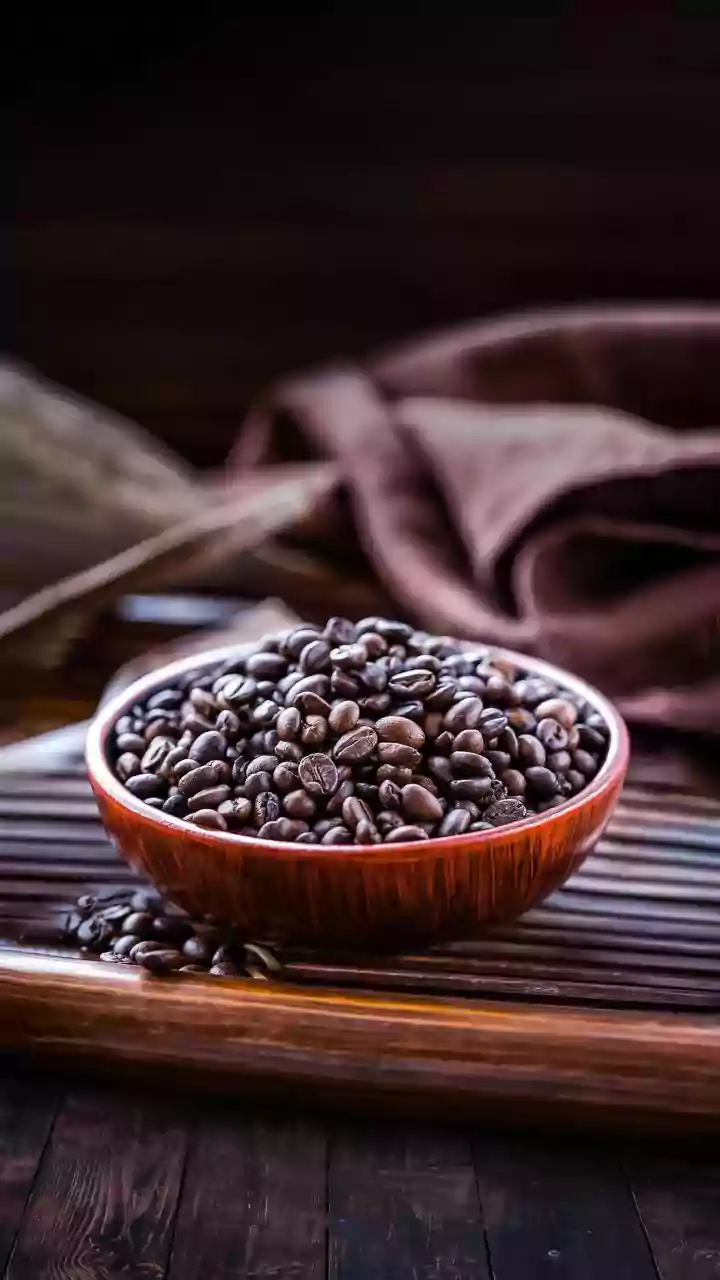
professionals and students are no longer just seeking a caffeine fix; they are seeking an experience. This new wave of coffee drinkers speaks a different language—one of single-origin beans, roast profiles, and brewing methods like AeroPress and cold brew. This shift reflects a larger cultural move toward mindful consumption, where the story behind the cup matters as much as the taste.
From Convenience to Craft
The pivot away from instant coffee is driven by a confluence of factors. Rising disposable incomes and global exposure have cultivated a more discerning palate among Indian millennials and Gen Z. This demographic, which makes up nearly 65% of specialty coffee consumers, increasingly values authenticity and craftsmanship over mass-produced convenience. The trend was accelerated during the pandemic, as many people working from home began investing in home-brewing equipment and exploring artisanal coffee brands online. E-commerce platforms and subscription services have made premium, freshly roasted beans from estates in Coorg and Chikmagalur accessible to consumers even in cities without a thriving cafe scene.
The Southern Terroir Comes Alive
This boom is breathing new life into the historic coffee-growing regions of South India. While these estates in the Western Ghats have produced world-class beans for centuries, much of the highest quality coffee was traditionally destined for export. Now, growers are finding an enthusiastic domestic market. Many estates are shifting their focus to quality over quantity, experimenting with processing methods to create unique flavour profiles that showcase the region's rich terroir. Some are even going direct-to-consumer, forging a connection between the farmer and the drinker and ensuring a more sustainable and equitable supply chain.
The Economics of the Brew
This evolving landscape has created a vibrant new market. The Indian specialty coffee market was valued at over USD 3 billion in 2025 and is projected to grow significantly, with some forecasts predicting it will more than double by 2031. This growth is fuelled by both international chains like Starbucks Reserve and homegrown brands such as Blue Tokai and Third Wave Coffee, which have expanded rapidly across the country. While a cup of specialty coffee comes at a premium compared to its instant counterpart, young consumers are willing to pay for the superior taste, ethical sourcing, and the inviting 'third place' atmosphere that modern cafes provide.
More Than Just a Drink
Ultimately, this trend is about more than just coffee; it's a lifestyle statement. For many young Indians, the choice of a single-origin Arabica over a generic blend is an expression of identity and personal taste. Social media platforms are filled with aesthetically pleasing photos of latte art and brewing rituals, turning the daily cup into a form of content creation and self-expression. Cafes have become vibrant community hubs for work, leisure, and connection, cementing coffee's new role as a central pillar of modern urban Indian life.