




Understanding the Import Routes: CBU vs. CKD
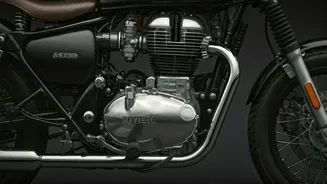
Before diving into the changes, it's crucial to understand two key acronyms: CBU and CKD. A CBU, or Completely Built-Up unit, is a motorcycle imported in a fully assembled, ready-to-ride condition. These attract the highest taxes. A CKD, or Completely Knocked-Down
unit, means the bike is imported in parts and assembled in India. This route has traditionally been taxed at a lower rate to encourage local assembly and employment, a key goal of the 'Make in India' initiative. Many premium brands like Triumph, Kawasaki, and Ducati use the CKD route to make their bikes more competitive in the Indian market.
What Did the Government Change?
In the Union Budget for 2025, the government announced significant reductions in import duties for motorcycles. For CBU motorcycles with engines up to 1,600cc, the duty was cut from 50% to 40%. For larger bikes with engines exceeding 1,600cc, the reduction was even more substantial, dropping from 50% to 30%. The changes also affected bikes brought in as kits. The duty on Semi-Knocked Down (SKD) units was reduced from 25% to 20%, and on CKD units, it fell from 15% to 10%. This move is seen as a way to rationalize tax rates and potentially ease trade relations, particularly with the US, which has previously voiced concerns over high tariffs on brands like Harley-Davidson.
The Immediate Impact on Your Wallet
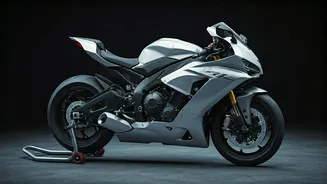
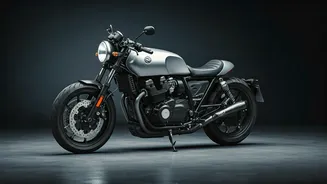
The most direct consequence of these duty cuts is that premium motorcycles should become more affordable. A 10% to 20% reduction in customs duty can translate to a significant price drop, potentially running into lakhs of rupees on high-end models. Motorcycles like the Triumph Rocket 3, BMW R 18 Transcontinental, and several Harley-Davidson models are expected to see the most benefit from the 20% duty slash on bikes over 1,600cc. This makes the dream of owning a 'big bike' more accessible to a wider range of enthusiasts who were previously priced out.
How Will Brands Adapt Their Strategies?
The tax changes will likely force brands to rethink their India strategy. With a lower duty on CBUs, some manufacturers might choose to directly import a wider range of their global models instead of investing in local assembly for every bike. This could give Indian consumers access to more niche and high-performance models. Conversely, the still-significant 10% duty on CKD kits continues to provide a strong incentive for local assembly. Brands like Harley-Davidson, which partners with Hero MotoCorp for local operations, may see a dual benefit: making their locally assembled smaller bikes competitive while their high-end CBU imports become cheaper. This could lead to a more diverse and competitive premium market.
A Boost for the 'Make in India' Vision?
While cutting import duties might seem counterintuitive to promoting local manufacturing, the policy is nuanced. The lower duty on CKD kits still strongly encourages brands to set up or expand their assembly operations in India. The government's goal isn't necessarily to block imports entirely but to make India a more attractive hub for assembly and, eventually, full-scale manufacturing. By making the market more vibrant and increasing the volume of premium bikes sold, it creates a larger ecosystem for parts, service, and skilled labor, which aligns with the long-term goals of the 'Make in India' program.
What Does This Mean for the Buyer?
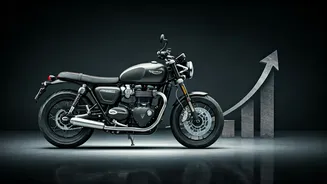
For anyone considering a premium motorcycle, this is a dynamic and largely positive development. Prices are expected to fall, and the variety of available models could increase. However, it's worth noting that customs duty is just one component of the final price; GST and other local taxes still apply. The Indian premium motorcycle market is projected to grow significantly, with some forecasts showing it reaching USD 5.8 billion by 2034. This growth is driven by rising incomes and a cultural shift towards performance and lifestyle biking. The new duty structure is poised to accelerate this trend, changing not just the price tags but the entire conversation around premium biking in India.