


The Magic of the Bugyals
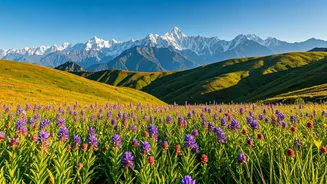
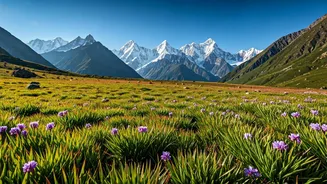
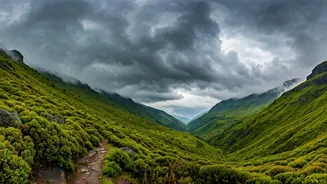
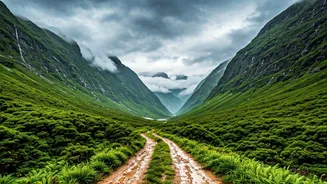
In the Garhwal Himalayas, they are known as 'bugyals'—vast, rolling alpine meadows that lie above the tree line. For most of the year, they are covered in snow or present a serene, green landscape. But with the arrival of the monsoon in July, these meadows undergo
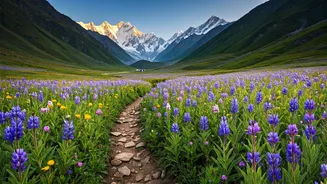
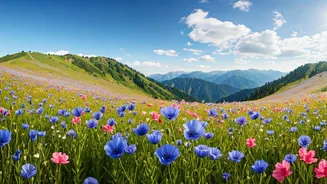
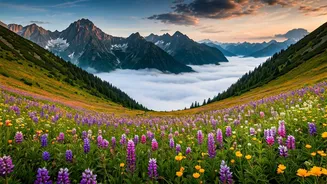
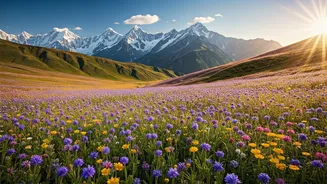
a dramatic transformation. The rains awaken dormant seeds, and within weeks, the bugyals are blanketed in hundreds of species of wildflowers. This explosion of life and colour, set against the backdrop of snow-capped peaks, is a sight that draws nature lovers and adventurers from across the country and the world. It’s a short-lived phenomenon, a vibrant spectacle that peaks in August and begins to fade by mid-September, creating a sense of urgency for anyone wanting to experience it.
Epicentre of the Bloom: Valley of Flowers
The most famous of these blooming landscapes is the Valley of Flowers National Park, a UNESCO World Heritage Site. This trek is a pilgrimage for botany enthusiasts and trekkers alike. As you journey through the valley, you are surrounded by an almost unbelievable diversity of flora. Bright red river anemones, elegant Brahma Kamals, enchanting blue poppies, and delicate cobra lilies are just a few of the hundreds of species that paint the landscape. The trail itself, which follows the Pushpawati River, is moderately challenging but rewards every step with stunning vistas. Due to its protected status, access is regulated with permits, and camping within the valley is prohibited, preserving its pristine nature. The nearby high-altitude glacial lake, Hemkund Sahib, is another sacred and stunning destination often combined with this trek.
Beyond the Famous Valley
While the Valley of Flowers gets the most attention, Uttarakhand is home to several other magnificent bugyals that offer a similar, if quieter, experience. Dayara Bugyal, near Uttarkashi, is one of the largest and most beautiful high-altitude meadows in India. Trekkers who visit during the monsoon are greeted by vast expanses of yellow, purple, and white flowers. Similarly, Gorson Bugyal, located near the ski resort of Auli, provides panoramic views of major peaks like Nanda Devi and Trishul, with its undulating meadows carpeted in wildflowers. These alternative treks can offer a less crowded but equally mesmerising experience of Uttarakhand’s floral paradise, each with its unique charm and trekking profile.
Planning Your Last-Minute Trip
If the call of the mountains is strong, you need to act fast. The window is closing. Trekking during the monsoon requires specific preparation. Expect rain, so waterproof gear—a high-quality jacket, pants, and backpack cover—is non-negotiable. Good trekking shoes with a strong grip are essential for navigating slippery and muddy trails. Since these are high-altitude treks, acclimatisation is key to avoiding altitude sickness. Plan your itinerary with gradual ascents and rest days. It is highly recommended to hire a local guide or go with a reputable trekking agency. They not only ensure your safety but also enrich the experience with their knowledge of the local terrain, flora, and fauna. Be prepared for basic accommodation in guesthouses or tents and embrace the raw, unfiltered beauty of the Himalayas.
Tread Lightly on Nature's Carpet
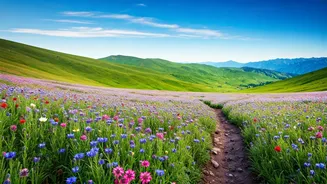
This annual rush, while a boon for local tourism, puts immense pressure on a fragile alpine ecosystem. The bugyals are ecologically sensitive, and their beauty is their vulnerability. As a visitor, it is your responsibility to practice responsible tourism. Stick to the designated trails to avoid trampling the delicate flowers and vegetation. Do not pluck flowers—they are part of a delicate ecosystem and are best admired and photographed in their natural habitat. Carry all your non-biodegradable waste, like plastic wrappers and bottles, back with you. By adopting a 'leave no trace' philosophy, we can ensure that these heavenly meadows continue to bloom for generations to come, allowing others to experience the same wonder.