





What Are Animal Flows?
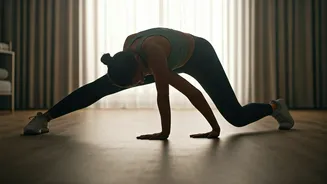
Imagine a workout that blends the mindfulness of yoga, the body control of gymnastics, and the primal power of animal-like movements. That's the essence of animal flows. It’s a ground-based, bodyweight training system where you move on all fours—your
hands and feet—to perform a series of dynamic, flowing sequences. Unlike traditional workouts that often isolate muscles, animal flows focus on integrated movement. You’re not just doing a push-up or a squat; you’re transitioning smoothly from one position to another, like a crab scuttling sideways or a beast stalking its prey. This practice challenges your body as a single, connected unit, forcing muscles that rarely work together to communicate and coordinate. The goal isn't just strength or cardio, but mastery over your own body’s movement potential.
Why It’s So Effective
The magic of animal flows lies in their ability to address the downsides of our modern, sedentary lifestyle. By putting you on the ground, the workout immediately engages your entire body.
First, it’s incredible for **joint mobility and stability**. Moving on your hands and feet (quadrupedal movement) activates and strengthens the small stabilising muscles around your wrists, shoulders, hips, and ankles. This controlled, weight-bearing motion helps to lubricate the joints and improve their resilience, making them less prone to injury.
Second, it builds phenomenal **core strength**. To maintain balance and control while flowing from one move to the next, your core must be constantly engaged. This isn’t just about your abs; it’s about the entire trunk of your body working in three dimensions.
Finally, it enhances **proprioception**—your body’s awareness of itself in space. This sixth sense is crucial for balance, coordination, and agility. Because animal flows involve constant shifts in balance and orientation, they are a powerful tool for sharpening this internal GPS, which can decline from lack of varied movement.
Three Foundational Moves to Try
Curious to feel what it's like? Before you jump into a full online class, you can familiarise yourself with a few core positions. Focus on form and control, not speed.
1. **The Beast:** This is your home base. Start on your hands and knees, with hands under shoulders and knees under hips. Tuck your toes and lift your knees just an inch or two off the floor. Keep your back flat, as if you could balance a cup of tea on it. Hold this position to feel your core, quads, and shoulders light up.
2. **The Crab:** Sit on the floor with your knees bent and feet flat, about hip-width apart. Place your hands on the floor behind you, fingers pointing towards your hips or out to the sides. Lift your hips off the floor. This is your 'Crab' position. It’s a great way to open up your chest and shoulders, which get tight from hunching over screens.
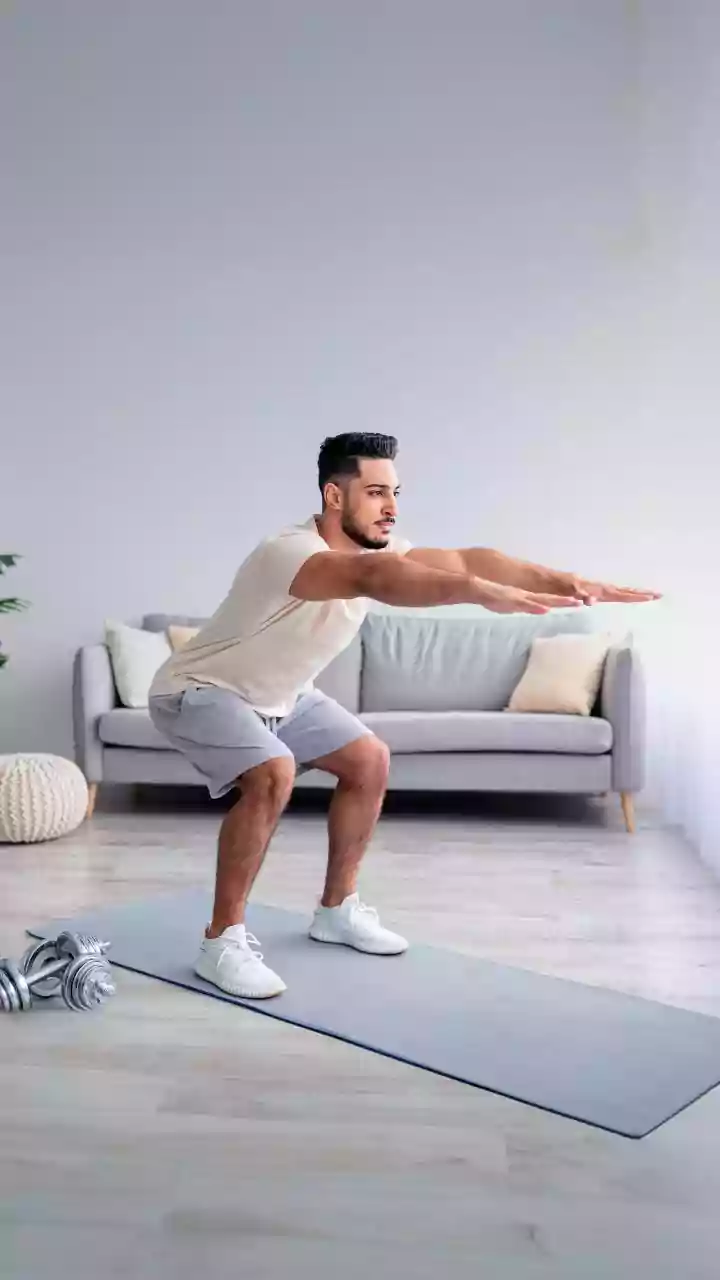
3. **The Ape:** Start in a deep squat with your feet wider than your shoulders and toes turned out slightly. Keep your heels on the ground if you can (or place a book under them for support). Place your hands on the floor between your feet. This position improves hip and ankle mobility and is a fundamental human resting posture we've lost.
How to Get Started Safely Online
The beauty of animal flows is that you need very little space and no equipment, making it perfect for home workouts. The internet is full of resources, but it's important to start smart. Begin by searching YouTube for terms like “beginner animal flow,” “primal movement basics,” or “quadrupedal workout for beginners.” Look for certified instructors who emphasize warm-ups, proper form, and slow, controlled progressions. Many trainers offer free introductory videos that teach the foundational movements. Pay close attention to wrist preparation exercises, as your wrists will be taking on more load than they’re used to. It's wise to follow a few free tutorials to see if you enjoy the style before committing to a paid online program. Always listen to your body; if something causes sharp pain, stop immediately.