




The Hidden Dangers of a Damp Coat
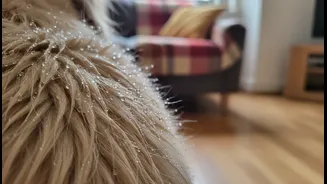
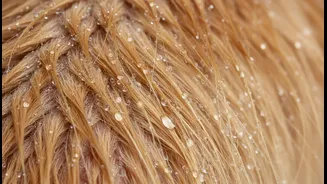
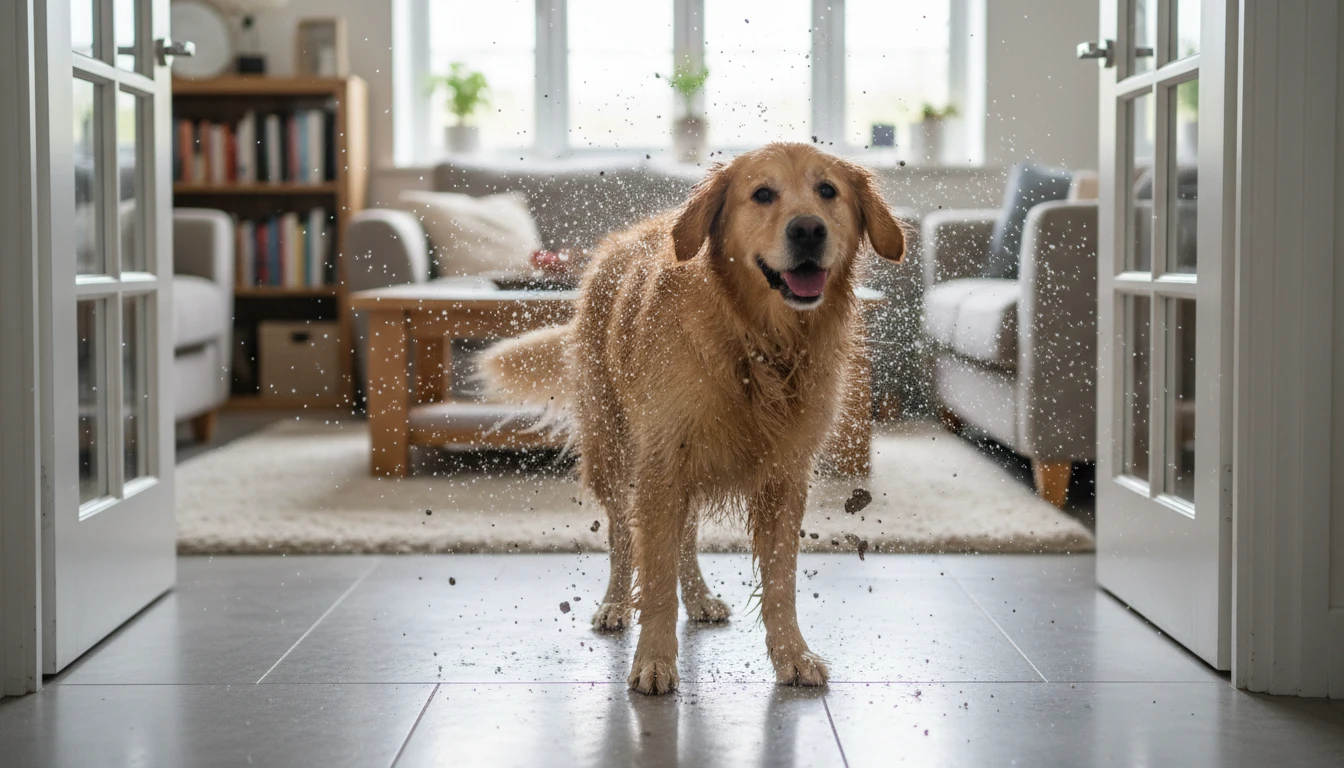
That familiar “wet dog” smell is more than just an odour; it can be a warning sign. When a dog’s fur, especially a thick undercoat, remains damp, it creates a warm, humid environment right next to the skin. This is a perfect breeding ground for bacteria
and yeast. This can lead to a host of uncomfortable and painful skin problems. One of the most common issues is acute moist dermatitis, often called “hot spots.” These are angry, red, and painful areas of skin that can appear and spread rapidly, caused by bacteria flourishing in the moisture and the dog’s subsequent scratching and licking. Fungal infections, such as yeast dermatitis, also thrive in these conditions, leading to itchy, flaky, and irritated skin, particularly in skin folds, paws, and ears. If left unaddressed, these minor irritations can develop into more serious infections requiring veterinary care.
Are Dog Raincoats a Real Solution?
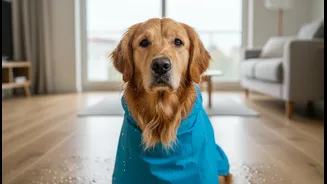
A well-fitted raincoat is an excellent first line of defence. Its primary job is to keep the majority of your dog’s torso and back dry, which significantly reduces the post-walk drying effort. This is especially beneficial for dogs with short or thin coats that have less natural insulation, as well as senior dogs who are more susceptible to the cold. A coat also minimises the amount of mud and street grime that gets into their fur, keeping your dog and your home cleaner. However, a raincoat is not a complete solution. A dog’s head, legs, tail, and underbelly will almost always get wet. These are the areas where moisture can easily get trapped, so relying solely on a coat can create a false sense of security. Think of it as a helpful tool, not a magic shield.
The Art of the Post-Walk Dry
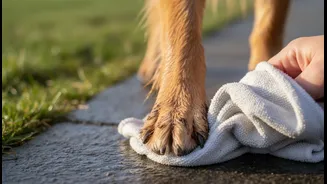
This is the most critical step in preventing moisture-related skin issues. The goal is to get your dog from damp to dry as efficiently and thoroughly as possible. Start with a towel as soon as you get inside. Instead of rubbing vigorously, which can tangle fur and irritate the skin, blot and squeeze the water out. Highly absorbent microfiber towels work wonders here. Use multiple dry towels if needed, focusing on the belly, legs, and in between the paw pads where moisture hides. For dogs with long or double coats, a towel dry is often not enough to dry the dense undercoat. The fur on top might feel dry, but the skin underneath can remain damp for hours, creating the perfect conditions for a hot spot.
Beyond the Towel: Dryers and Drying Coats
For dogs with thick coats, a pet-specific hair dryer is a game-changer. Unlike human hair dryers, these don't get dangerously hot and often use forced air to blow water off the coat rather than just heat to evaporate it. Always use the lowest heat and speed setting, keeping the nozzle moving and several inches away from your dog's skin to prevent burns. Introduce the dryer slowly with plenty of praise and treats to make it a positive experience. Another excellent option is a dog drying coat or robe. These are made from highly absorbent materials and are worn by the dog after a towel dry. They passively wick away remaining moisture from the coat while the dog rests, making them a low-effort, effective way to finish the job.
Setting Up for Success
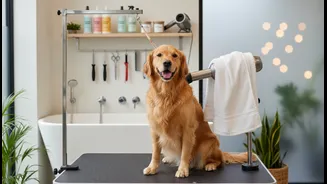
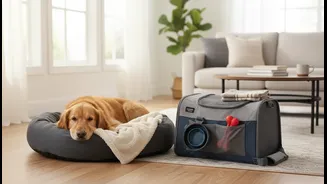
The key to a consistent routine is preparation. Create a designated drying station near your entrance. Keep a stack of clean, dry towels, treats, and any grooming tools you need in a basket. When you return from a wet walk, you'll have everything you need on hand, turning a potential chore into a predictable and even enjoyable bonding moment. By making the drying process a non-negotiable part of your rainy-day routine, you're not just cleaning your dog—you're actively protecting them from painful and persistent skin conditions.