




A Tale of Two Fats: Saturated vs. Unsaturated
Before we can compare ghee and oils, we need to understand the main characters in this story: fats. All fats are not created equal. They are broadly divided into two categories—saturated and unsaturated—based on their chemical structure. Think of saturated fats as rigid
and straight, allowing them to pack together tightly and be solid at room temperature. Unsaturated fats, on the other hand, have bends in their structure, making them liquid at room temperature. This structural difference is key to how they behave inside our bodies, particularly within our arteries. Global health guidelines generally recommend reducing saturated fat intake and replacing it with unsaturated fats for better cardiovascular outcomes.
Understanding Ghee's Composition
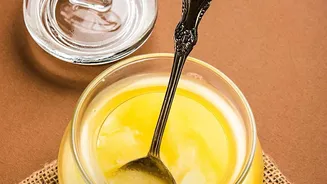
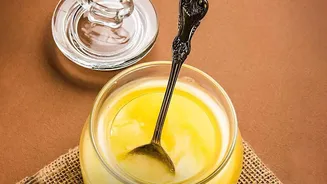
Ghee, a staple in Indian cuisine for centuries, is clarified butter. The process of making it removes water and milk solids, leaving behind almost pure fat. About 62% of the fat in ghee is saturated fat. While it contains beneficial fat-soluble vitamins like A, D, and E, its high concentration of saturated fat is the primary point of concern for long-term arterial health. When consumed in large quantities, this high saturated fat content can influence cholesterol levels in the blood.
The Arterial Impact of Saturated Fat
The main concern with a diet high in saturated fat is its effect on cholesterol. Specifically, it tends to raise the level of Low-Density Lipoprotein (LDL) cholesterol, often called "bad" cholesterol. High LDL levels can lead to a process called atherosclerosis, where fatty plaque builds up inside your arteries. This buildup can cause the arteries to harden and narrow, restricting blood flow and increasing the risk of heart disease and stroke over time. While ghee can be part of a balanced diet in moderation, relying on it as a primary cooking fat can contribute to an excessive intake of saturated fat.
The Case for Unsaturated Oils
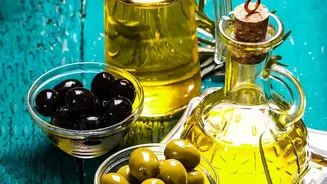
This is where unsaturated oils, like those from groundnuts, mustard, sesame, and sunflowers, come in. These oils are rich in monounsaturated and polyunsaturated fats (MUFAs and PUFAs). These types of fats have the opposite effect of saturated fats on cholesterol. They help to lower LDL ("bad") cholesterol and can even raise High-Density Lipoprotein (HDL) cholesterol, known as "good" cholesterol. HDL acts like a scavenger, removing excess cholesterol from the arteries and transporting it back to the liver to be flushed out. This dual action makes unsaturated fats a powerful ally for maintaining flexible and clear arteries.
Why 'Cold-Pressed' Makes a Difference
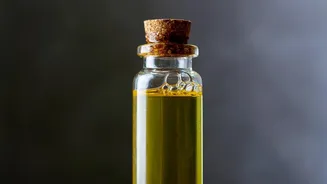
The method of extraction matters. Cold-pressed oils are produced by crushing seeds or nuts and forcing out the oil through pressure, without the use of high heat or chemical solvents. This gentle process preserves the oil's natural nutrients, flavour, and most importantly, its beneficial antioxidants and fatty acid integrity. Refined oils, in contrast, are processed at high temperatures, which can destroy these healthy compounds and even create harmful trans fats. Choosing cold-pressed ensures you are getting the full spectrum of heart-protective benefits that these unsaturated oils have to offer.