





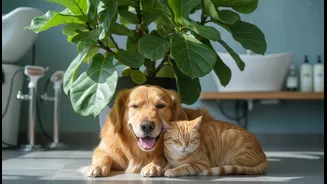


Why the Rains Rattle Your Pet
While we enjoy the cooler weather, many pets find the monsoon season unsettling. The reasons for their anxiety are varied. Loud, sudden claps of thunder can trigger genuine fear, a condition known as storm phobia. Dogs, with their superior hearing, can find these
noises overwhelming. But it's not just the sound. Pets are sensitive to changes in barometric pressure and static electricity in the air, often sensing a storm long before we do. This, combined with flashes of lightning and the disruption of their daily routine—fewer walks, less time outdoors—can lead to significant emotional distress.
Recognising the Signs of Anxiety
Our pets can't tell us they're scared, but they show it through their behaviour. Recognising these signs is the first step to helping them. Common indicators of storm anxiety in dogs include pacing, trembling, and constant panting. They might become excessively clingy, following you from room to room, or try to hide in small, enclosed spaces like under a bed or inside a closet. Other signs include excessive drooling, whining, barking, and a sudden loss of appetite. In some cases, a frightened pet might engage in destructive behaviour, like chewing on furniture or scratching at doors.
Create a Calming Indoor Sanctuary
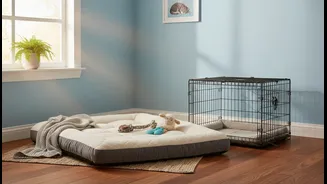
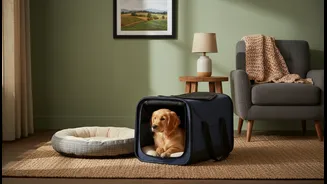
One of the most effective ways to help an anxious pet is to create a safe space for them. This doesn't have to be elaborate. It can be a crate covered with a blanket, a cosy corner of a room, or even a closet they can retreat to. Fill this space with their favourite blanket and toys to make it feel familiar and comforting. Playing soft, classical music or turning on a white noise machine can help muffle the sound of thunder. Closing the curtains can block out scary flashes of lightning. It’s important that your pet can access this space whenever they feel overwhelmed.
Beat Boredom with Play and Routine
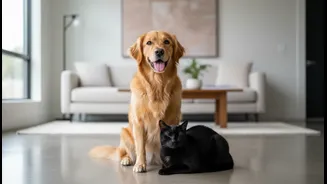
Reduced outdoor time often leads to boredom and pent-up energy, which can worsen anxiety. Keeping your pet mentally stimulated is crucial. Engage them with indoor activities like a game of hide-and-seek with treats or short, fun training sessions to teach them a new trick. Puzzle feeders and snuffle mats are excellent tools that make your pet work for their food, providing mental enrichment and mimicking natural foraging instincts. For cats, a simple cardboard box or a feather wand can provide hours of entertainment. Maintaining a consistent schedule for meals and sleep can also provide a sense of normalcy and security amidst the chaos of the weather.
When to Seek Professional Help
While these strategies can help manage mild anxiety, some pets experience severe storm phobia that doesn't improve. If your pet's anxiety is extreme—leading to self-injury or severe destructive behaviour—it is essential to consult a veterinarian. Vets can rule out any underlying medical issues and may recommend calming supplements, pheromone diffusers, or anxiety wraps like the Thundershirt, which applies gentle, constant pressure to calm a pet. In severe cases, prescription medication might be necessary to keep your pet safe and reduce their suffering during storms. Never punish a pet for showing fear; your calm and reassuring presence is their greatest comfort.