
Why Venus? Earth's Cautionary Tale
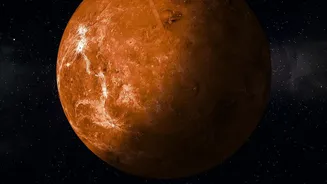
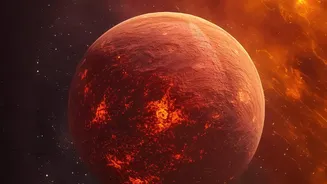
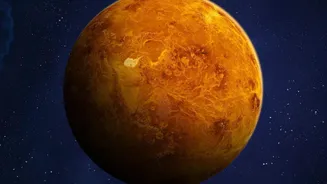
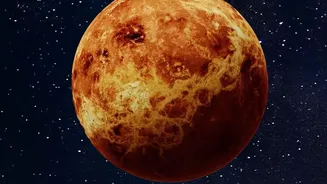
Venus is a planet of extremes. Though similar to Earth in size and mass, its surface is a hellscape with temperatures hot enough to melt lead and crushing atmospheric pressure 90 times that of our own. It is a textbook example of a runaway greenhouse
effect, making it a crucial scientific subject. By understanding why our planetary twin took such a dramatically different evolutionary path, scientists hope to gain invaluable insights into Earth's own climate dynamics and long-term future. The mission, formally approved by the Indian government in September 2024, represents India's second major interplanetary expedition after the highly successful Mars Orbiter Mission (Mangalyaan).
The Great Cloud Mystery
The dense clouds of Venus are not made of water, but of corrosive sulfuric acid. For over a century, astronomers have been puzzled by dark patches that move within these clouds, absorbing huge amounts of ultraviolet radiation. This mysterious substance, dubbed the 'unknown absorber', is a key focus of scientific inquiry. Some theories even speculate that these patches could be related to microbial life, a hypothesis first floated by Carl Sagan decades ago. Additionally, scientists want to understand how these clouds are sustained, a process believed to be linked to active volcanism below. ISRO's Shukrayaan aims to provide definitive data on these long-standing questions.
Introducing Shukrayaan-1: India's Venus Orbiter
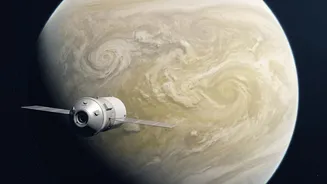
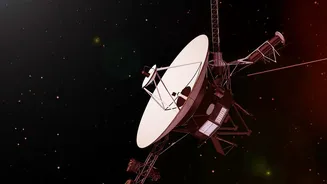
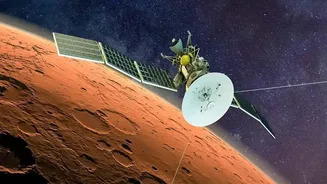
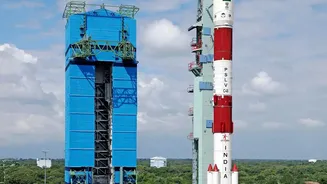
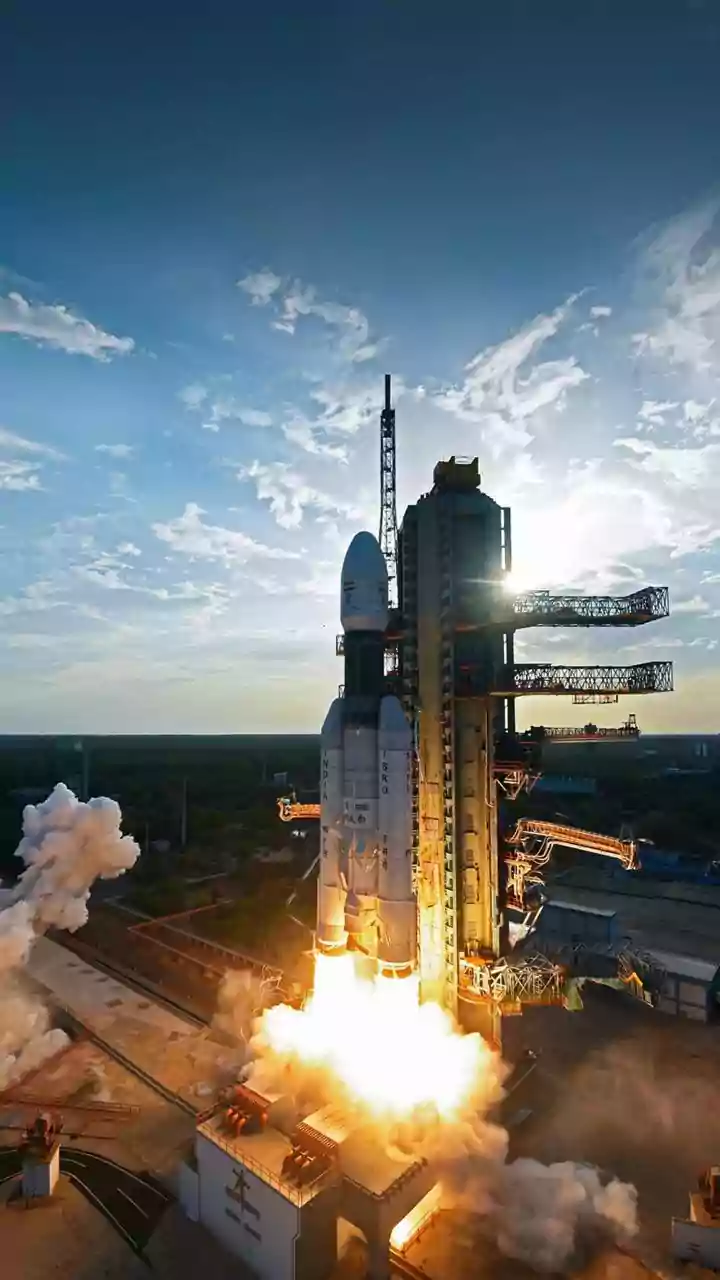
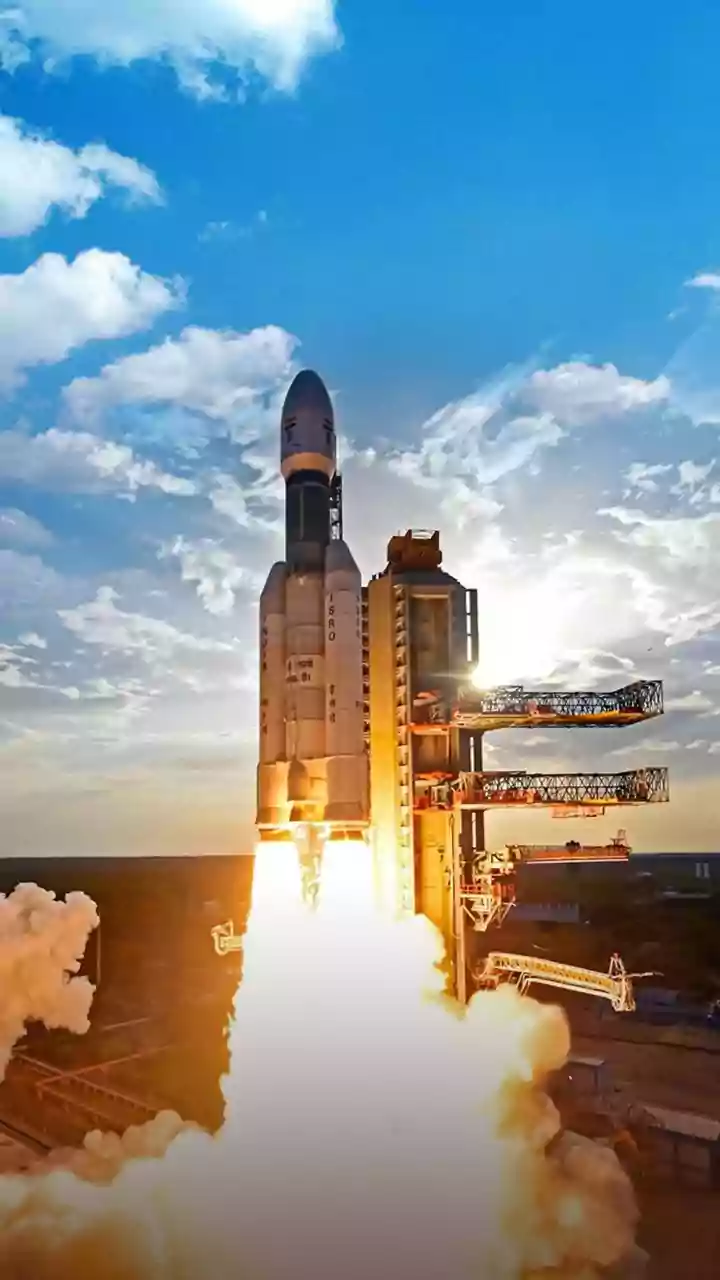
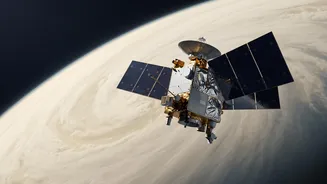
The Shukrayaan-1 mission, scheduled for a March 2028 launch aboard the powerful LVM-3 rocket, is an orbiter packed with a sophisticated suite of instruments. The spacecraft, weighing around 2,500 kg, will carry about 100 kg of scientific payloads. After a journey of just over 100 days, it will enter a highly elliptical orbit around Venus. From this vantage point, its sensors will begin the painstaking work of mapping the surface, analyzing the atmosphere, and studying the planet's interaction with the solar wind. The mission involves international collaboration, with payloads from Sweden, Germany, and a joint Russian-French instrument onboard.
The High-Tech Eyes of the Mission
To see through the planet's opaque atmosphere, Shukrayaan will rely on radar. Its primary instrument is a high-resolution Synthetic Aperture Radar (SAR), which can map surface features regardless of cloud cover, day or night. This technology will search for signs of active volcanoes and lava flows, providing a resolution significantly better than previous missions like NASA's Magellan. In a first for any Venus mission, it will also carry a ground-penetrating radar to study the shallow subsurface, offering a glimpse of the planet's geological layers. Other key instruments include spectrometers and thermal cameras to analyze the chemical composition, structure, and dynamics of the atmosphere, monitoring for lightning and the components of the mysterious clouds.
Peering Beneath the Veil
Shukrayaan's diverse set of instruments will work in concert to build a comprehensive picture of Venus. While the SAR maps the hidden surface, the Venusian Neutrals Analyzer—a collaboration with Sweden—will study how charged particles from the sun interact with the planet's ionosphere, a key factor in why Venus lost its water. The VIRAL instrument, from Russia and France, will analyze atmospheric chemistry and look for trace gases like phosphine, which has been speculatively linked to biological processes. By combining subsurface data from radar with atmospheric composition data from its spectrometers, Shukrayaan aims to connect the dots between geological activity on the ground and the strange phenomena happening in the clouds above.