



Go Beyond the Daily Forecast
Checking the weather for your dates is a good start, but it's not enough. For hill stations, you need to understand the larger seasonal patterns. The Indian monsoon, for instance, affects different regions at different times. The main southwest monsoon typically
drenches the Western Ghats and most of the Himalayas between June and September. However, some parts of the southeast coast, including hill stations in Tamil Nadu, get a retreating northeast monsoon between October and December. Planning around these broad climate cycles is more reliable than just looking at a seven-day forecast, which can change rapidly in mountainous terrain.
Analyse Monsoon's True Impact
Monsoon in the hills isn't just about romantic rain; it's about significant risk. The period from July to August is often the most dangerous for travel in many Himalayan regions. Heavy rainfall saturates the soil on steep slopes, leading to a high risk of landslides and flash floods. These events can block highways for hours or even days, potentially stranding tourists. Popular destinations in Himachal Pradesh, Uttarakhand, the Nilgiris (Ooty and Coonoor), and the Darjeeling-Sikkim belt are notoriously prone to landslides during this time. Before booking a monsoon trip, consider if your chosen destination is in a high-risk zone. The India Meteorological Department (IMD) often issues specific warnings for heavy rainfall and potential disruptions.
Check for Specific Alerts and Advisories
Official sources are your best friend for travel planning. The IMD is the primary agency for weather warnings in India. Their website and apps provide colour-coded alerts (green, yellow, orange, red) for districts, indicating the severity of expected weather. An orange or red alert for your destination should prompt you to reconsider your plans. Additionally, check the websites of local district administrations and state disaster management authorities, especially for regions like Uttarakhand and Himachal Pradesh, which are geologically fragile. They often post real-time updates on road conditions and travel advisories. These advisories are crucial as they may recommend against tourism in certain areas during severe weather spells.
Assess Road Accessibility
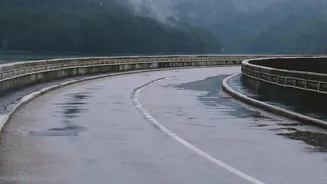
Your journey to the hills is as important as the destination itself. Many hill stations are connected by single-lane highways carved into mountainsides, such as NH-10 to Sikkim or stretches of NH-44 in Jammu & Kashmir. These roads are highly susceptible to blockages from landslides. Before you book, research the primary access routes. Are there alternative roads available? During peak monsoon, it's wise to hire experienced local drivers who are familiar with the terrain and have real-time information about safe routes. Avoid driving at night, especially in heavy rain, as visibility is low and the risk of encountering a sudden landslide is higher.
Consider Altitude and Temperature Swings
Weather in the mountains isn't just about rain or sun; it's also about altitude. Higher altitudes mean colder temperatures, especially at night. Even during a summer trip, places like Manali (2,050m) or Shimla (2,205m) can have significant temperature drops after sunset. Pack layers of clothing, including light woollens or a jacket, regardless of the season. If you're travelling to very high-altitude destinations like Ladakh, be aware of the need for acclimatisation to prevent altitude sickness. The weather there is often dry and cold, a sharp contrast to the humid plains, which requires a different kind of preparation.
Plan with Flexibility
Given the unpredictability of mountain weather, a rigid itinerary is a recipe for stress. When booking flights, trains, and hotels, check their cancellation and rescheduling policies. Opt for flexible bookings where possible, especially if travelling during the shoulder seasons or monsoon. Build buffer days into your travel plan. This way, if a road is blocked or a flight is delayed due to bad weather, you won't miss a crucial connection or have your entire trip derailed. Having a backup plan, like exploring a nearby town if your primary destination becomes inaccessible, can save your holiday.