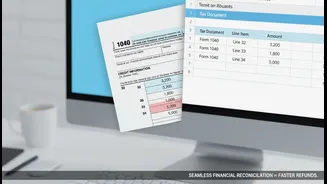









Understanding ITR Utilities
Each year, the Income Tax Department releases online and offline tools, known as utilities, to help taxpayers file their returns. These are typically Excel-based or JSON-based tools for various ITR forms like ITR-1, ITR-2 and so on. They allow taxpayers to fill
in their income details, calculate tax liability, and generate a file for uploading on the e-filing portal. The department has rolled out these utilities for AY 2026-27 in a phased manner, with tools for most common forms now available. These utilities are crucial as they are the primary method for most people, especially those with complex returns, to compile their financial data offline before uploading.
The Case for Caution
While the department has been releasing these tools, history shows that initial versions can sometimes contain minor bugs or glitches. For example, in previous years and even earlier this assessment year, tax professionals have reported issues such as problems with saving data in online forms or incorrect calculations in specific schedules. Even small updates to the utilities are released to fix bugs and improve performance. Although the department works to resolve these issues, filing a return using a utility with an undiscovered bug could lead to incorrect tax calculations, a flawed return, and potential notices from the tax department later.
Reconcile, Reconcile, Reconcile
The single most important step before filing is to meticulously reconcile the data in your ITR with your Form 26AS, Annual Information Statement (AIS), and Taxpayer Information Summary (TIS). These documents, available on the e-filing portal, contain information the tax department has received about your financial transactions, including salary, interest income, and taxes deducted at source (TDS). A mismatch between what you report and what the department's data shows is one of the most common triggers for an income tax notice. The department now uses advanced analytics and AI to flag these discrepancies automatically.
Your Pre-Submission Checklist
Before you press submit, run through this final checklist. First, ensure you are using the latest version of the ITR utility available for download from the official portal. Second, do not blindly trust the pre-filled data. Verify every single figure, from salary details to interest income. Third, report all sources of income, no matter how small, including savings account interest. Fourth, double-check that you have claimed all eligible deductions correctly and haven't made claims for which you are not eligible. Finally, after filling the form, manually review the summary of your tax computation before generating the final upload file. If you filed early, it's wise to log in again before the deadline to see if any new information has appeared in your AIS that could create a mismatch.
When to Wait vs. When to File
The deadline for filing ITR for most individual taxpayers for AY 2026-27 is July 31, 2026. While there is pressure to file early, some experts advise waiting until at least mid-June or early July. This is because it gives time for all data from employers, banks, and other financial institutions to be fully updated in the AIS and Form 26AS. Filing too early might mean your return is based on incomplete data, forcing you to file a revised return later. However, waiting until the last few days is also risky, as the portal can slow down due to heavy traffic. The current period is often seen as a sweet spot: most data is updated, and the last-minute rush hasn't started.