







The Unseen Engine of Our Digital Lives
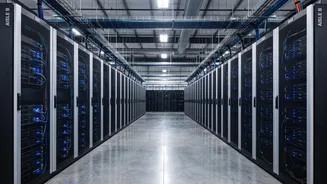
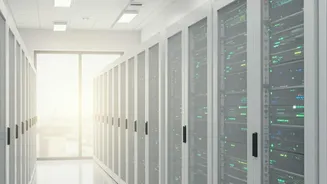
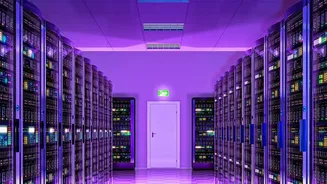
Data centres are the physical heart of the digital world. These vast, power-hungry warehouses are filled with servers that store, process, and distribute the information behind everything from your social media feed to complex corporate networks. For
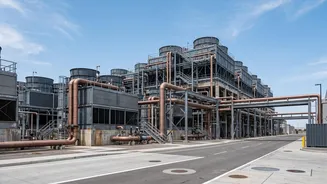
decades, their energy use grew at a steady, manageable pace. However, the explosive rise of artificial intelligence has changed everything. AI models require vastly more computational power than traditional applications, which in turn demands significantly more electricity to run and cool the servers.
A Tsunami of New Demand
According to the International Energy Agency (IEA), global electricity demand from data centres is on track to double by 2026. This surge is not a gradual increase; it is a sudden, massive spike that energy grids were not designed to handle. An AI-powered search query, for example, can consume nearly ten times more electricity than a conventional web search. Tech giants are racing to build the infrastructure needed for the AI revolution, but each new data centre acts like a new factory being plugged into the grid, demanding a constant and enormous supply of power. This has created what many in the energy sector are calling an unprecedented surge in demand after two decades of relatively flat power usage.
The Grid Under Pressure
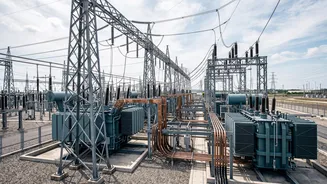
Modern power grids are complex systems balanced on a knife's edge, designed to match electricity supply with consumer demand in real-time. This sudden, concentrated demand from data centres threatens to overwhelm that balance. Utility companies are reporting that they are struggling to keep up, with some in high-demand regions even pausing new connections for large industrial projects. The problem is twofold: a lack of sufficient power generation and a transmission system that is not built to carry so much electricity to these specific locations. Building new power plants and high-voltage transmission lines is an incredibly slow and expensive process, often taking a decade or more from planning to operation.
India’s Tech Boom Fuels the Need
This global challenge is acutely relevant to India, which is experiencing its own data centre boom. Projections show that India’s data centre capacity is set to more than double between 2023 and 2026, reaching over 2 gigawatts. As the nation pushes forward with digitalisation and becomes a hub for technology and cloud services, the energy requirements will soar. This places data centres in direct competition for electricity with the nation’s manufacturing ambitions and the everyday power needs of millions of households. Without careful planning, this new demand could strain local and regional grids, creating a bottleneck for economic growth.
A High-Stakes Balancing Act
When a new, power-intensive industry emerges, it changes the entire energy landscape. The immense electricity needs of data centres mean they are competing for the same electrons as factories, small businesses, and residential homes. This increased competition for a limited resource can lead to higher electricity prices for everyone. Furthermore, if grid infrastructure cannot keep pace with demand, it could result in reliability issues, such as brownouts or blackouts, particularly during peak usage periods. This forces a difficult conversation about who gets priority and how to ensure fair and stable access to power for all sectors of society.
The Search for a Sustainable Solution
There is no single, easy answer. Meeting this demand will require a multi-pronged approach. In the short term, some utilities are turning to natural gas plants to provide reliable power, a move that complicates climate goals. Looking ahead, the solution lies in a massive investment in grid modernization, including smart technologies that can better manage power flow and demand. It also requires an acceleration of new, clean energy sources. Data centre operators themselves are investing heavily in renewable energy, but the sheer scale of their need often outstrips what solar and wind can reliably provide 24/7. This challenge is forcing a fundamental rethink of energy strategy, linking our digital future directly to our ability to generate and distribute power more effectively.