



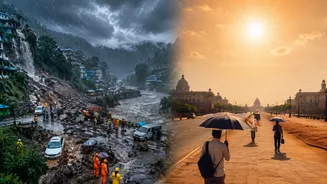


The Monsoon Mountain Dilemma
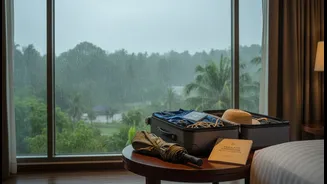
For many, the dream of a mountain holiday during the monsoon is fraught with risk. From June to September, beloved destinations in Himachal Pradesh and Uttarakhand are frequently battered by torrential rains. News reports during this period are often
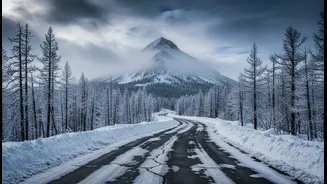
filled with images of blocked highways, flash floods, and dangerous landslides, particularly in corridors leading to places like Manali, Shimla, and the Char Dham routes. The very geography that makes these places beautiful—steep valleys and winding roads—also makes them vulnerable. Intense, localized cloudbursts can trigger landslides with little warning, stranding tourists and disrupting travel plans for days on end, forcing authorities to issue frequent travel advisories.
The Secret of the Rain Shadow
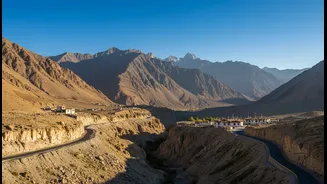
The key to unlocking a safe monsoon mountain trip lies in a simple meteorological phenomenon: the rain shadow. When moisture-laden monsoon winds sweep in from the Indian Ocean, they are forced upward by the towering Himalayan range. As the air rises, it cools and condenses, dumping its rain on the windward side of the mountains—the side that faces the wind. By the time this air mass crosses the massive peaks, it has lost most of its moisture. As the now-dry air descends on the other side, known as the leeward side, it creates an arid or semi-arid environment. This area, sheltered from the monsoon, is the rain shadow. Ladakh is located precisely in this geographical sweet spot.
Why Ladakh Shines During the Rains
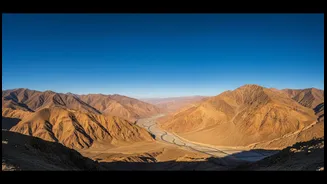
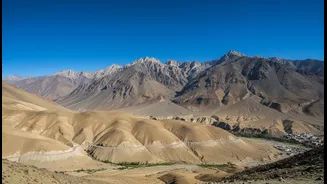
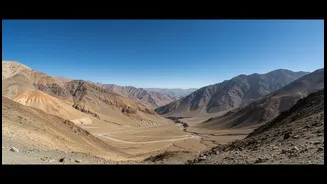
While the rest of the country's hill stations are drenched, Ladakh blossoms into its peak tourist season. From roughly June to September, the region experiences a dry, pleasant summer climate with clear blue skies and plenty of sunshine. Temperatures are comfortable, typically ranging from 20 to 30 degrees Celsius during the day, creating perfect conditions for sightseeing, trekking, and road trips within the region. All major internal roads and high passes, like Khardung La, are open, offering access to the stunning landscapes of Nubra Valley and Pangong Lake. This is also when many of Ladakh’s vibrant cultural festivals, such as the famous Hemis Tsechu, often take place, offering a unique glimpse into the local culture.
Planning Your High-Altitude Escape
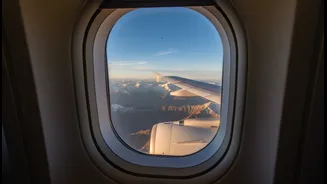
Booking a trip to Ladakh to escape the monsoon is a smart move, but it still requires careful planning. While Ladakh itself is dry, the overland routes to get there—the Manali-Leh and Srinagar-Leh highways—pass through regions that do experience monsoon rains and the associated risk of landslides, especially in the early parts of the season. Travellers should build flexibility into their itineraries to account for potential road closures. Flying directly into Leh is the most reliable option during this period. Furthermore, at an altitude of over 3,500 meters (11,500 feet), acclimatization is crucial. Doctors advise spending the first day or two in Leh resting, staying hydrated, and avoiding strenuous activity to allow your body to adjust to the thin air before exploring further.