

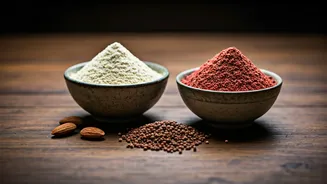


Meet the 'New' Ancient Grains
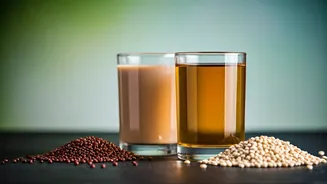
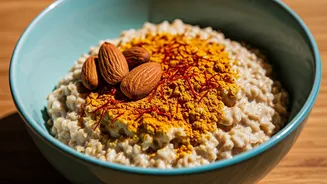
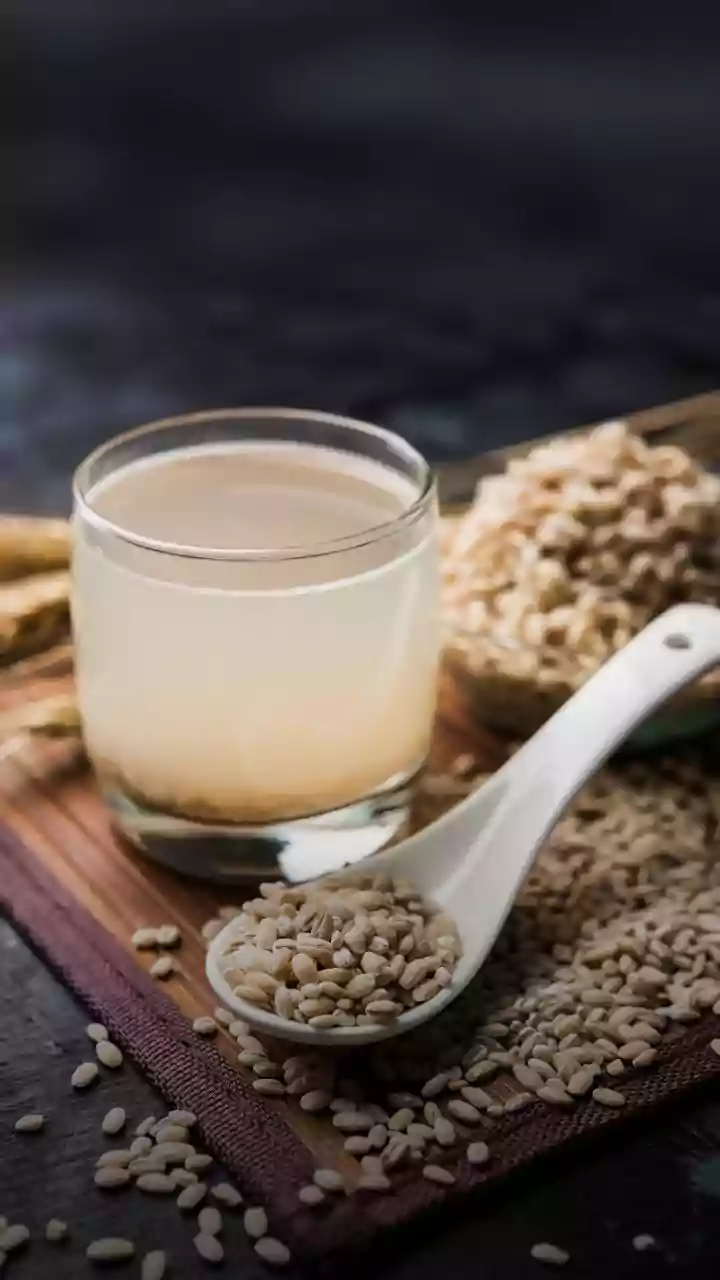
While the headline says 'dominate,' it’s more accurate to say these grains are carving out a significant and influential niche. So, what are they? First up is barley, a grain you might know from soups or beer. In its whole-grain form, it's a chewy, nutrient-rich
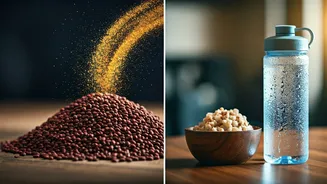
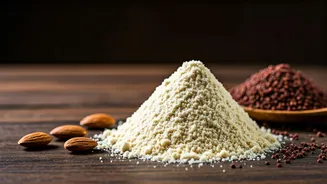
powerhouse. The real newcomer for most Americans is ragi, also known as finger millet. A staple in parts of Africa and Asia, especially India, ragi is a gluten-free grain celebrated for its hardiness and impressive nutritional profile. It’s often ground into a fine flour, which makes it perfect for blending into drinks. Together, they represent a shift toward 'functional foods'—ingredients consumed not just for calories, but for their specific health benefits, especially in the context of athletic recovery.
The Recovery Science, Simplified
Why are athletes turning to what sounds like a bowl of porridge in a bottle? It’s all about holistic recovery. A tough workout depletes your muscle glycogen (your primary energy source) and creates micro-tears in your muscles. The standard protein shake addresses the muscle repair, but often little else. Ragi and barley offer a more complete package. They are packed with complex carbohydrates, which are essential for refilling those depleted glycogen stores. This provides sustained energy and prevents the 'crash' that can come from sugary recovery drinks. They also contain a notable amount of plant-based protein and essential amino acids needed for muscle synthesis. Barley is particularly rich in beta-glucans, a type of soluble fiber linked to heart health and a moderated glucose response. Ragi is a rare plant-based source of calcium and is rich in iron and antioxidants, which help combat exercise-induced inflammation.
Shake vs. Grain: A New Contender
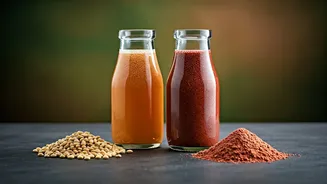
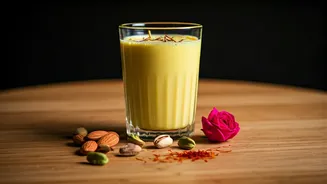
This isn't about declaring a single winner in the post-workout space. A high-quality whey or vegan protein isolate is incredibly efficient at delivering pure protein. Think of it as a sniper rifle for muscle repair. A ragi and barley beverage, on the other hand, is more like a well-balanced meal in a glass. You get the protein for repair, the complex carbs for energy replenishment, the fiber for gut health and satiety, and a host of micronutrients like iron, magnesium, and calcium. For athletes focused on whole-food nutrition or those who experience digestive issues with highly processed powders, this grain-based approach is a game-changer. It’s less about isolating one nutrient and more about refueling the entire system with synergistic, minimally processed ingredients.
How to Try the Trend Yourself
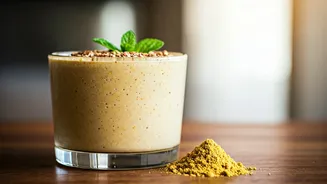
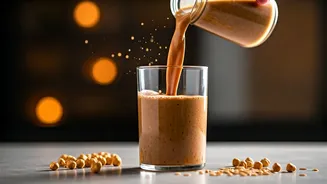
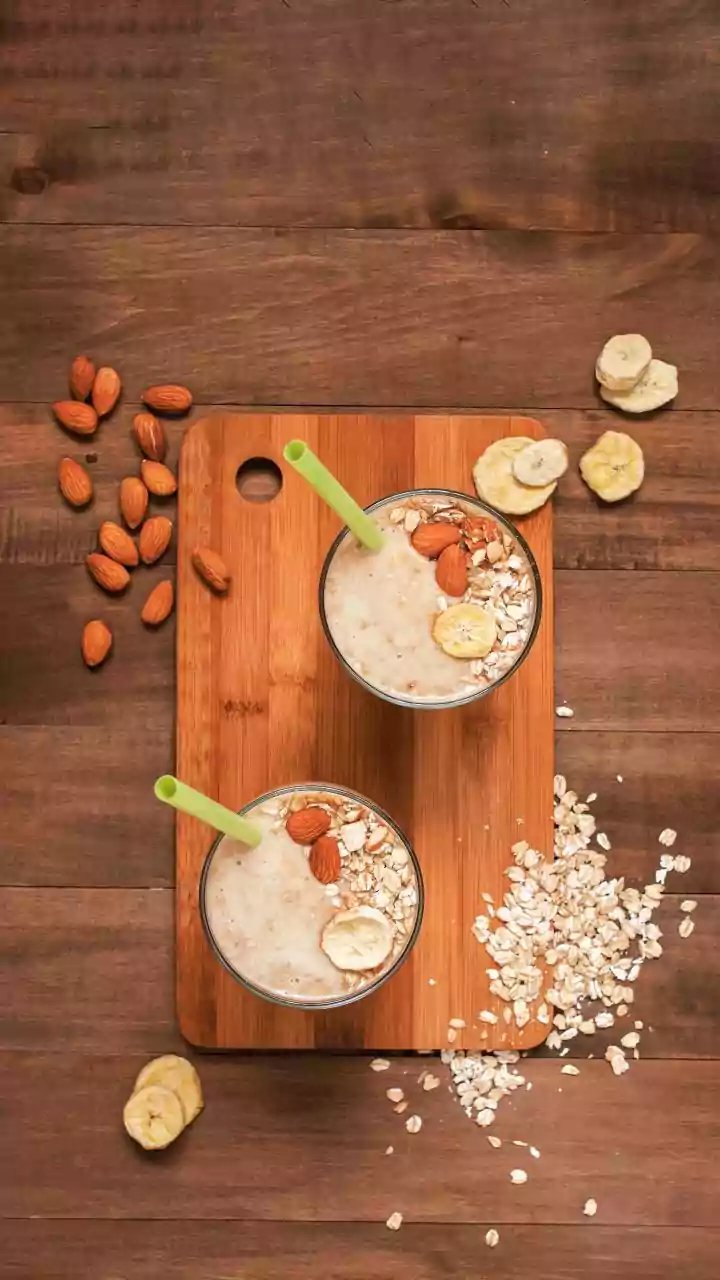
While some niche brands are starting to offer these beverages, the easiest way to explore this trend is by making your own. It’s simple, customizable, and cost-effective. Start with a base of cooked barley or ragi flour (often labeled as 'finger millet flour' in health food stores or online). **Simple DIY Ragi-Barley Shake:** 1. Combine 1/4 cup of ragi flour or 1/2 cup of cooked and cooled pearl barley in a blender. 2. Add 1 to 1.5 cups of your preferred liquid (dairy milk, almond milk, oat milk, or even just water). 3. Add a source of sweetness and extra flavor, like a tablespoon of maple syrup, half a banana, or a few dates. 4. For a protein boost, add a scoop of unflavored protein powder or a tablespoon of nut butter. 5. Blend until smooth. You can adjust the liquid to achieve your desired consistency, from a thin drink to a thicker, smoothie-like meal. Add a dash of cinnamon or cocoa powder to finish it off.