






The Pressure Cooker of Urban Life
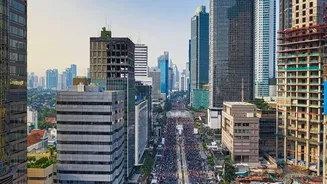
Life in metropolitan India is a high-stakes race against time. The daily grind of long commutes, noise pollution, high-pressure jobs, and social isolation is taking a significant toll on the mental health of residents. Studies have highlighted that rapid
urbanisation contributes to increased rates of stress, anxiety, and depression across various population groups. This constant exposure to stressors, combined with a disconnect from the natural world, creates an environment where mental fatigue becomes the norm. The challenges are particularly acute for women, young people, and migrants, who often face unique pressures within the urban landscape. As our cities expand, the lack of open, quiet spaces exacerbates this mental health crisis, leaving millions without a readily accessible escape.
The Science of Nature's Calm
The calming effect of a park is not just a feeling; it's rooted in science. Exposure to green environments has been proven to lower levels of cortisol, the body's primary stress hormone. This concept, sometimes called 'biophilia', suggests humans have an innate need to connect with nature. Spending time in green spaces can boost the production of mood-enhancing neurotransmitters like serotonin and dopamine, leading to increased happiness and emotional stability. Furthermore, nature helps restore our cognitive functions. The soft fascinations of the natural world—a rustling leaf, a bird in flight—allow our directed attention to rest and recover, combating the mental fatigue caused by constant digital and urban stimuli. Even a short 20-minute visit to a park can significantly improve emotional well-being and life satisfaction, regardless of physical activity levels.
Green Lungs in Concrete Jungles
Across India, cities are beginning to recognise the vital role of these green sanctuaries. In metropolises like Delhi, Mumbai, and Bengaluru, parks such as Lodhi Garden, Sanjay Gandhi National Park, and Cubbon Park serve as essential green lungs. They are not just recreational spots but crucial public health infrastructure. A study focusing on several Indian cities, including Bengaluru, found that even a marginal 1% increase in green spaces could prevent a significant number of deaths annually by improving health outcomes. These spaces offer a respite from the urban heat island effect, filter polluted air, and provide a venue for community interaction, all of which contribute to better mental resilience. For many city dwellers, a morning walk or an evening stroll in a local park is the most accessible and affordable form of self-care available.
More Than Just Trees and Grass
The benefits of urban parks extend beyond individual mental peace. They are powerful platforms for social connection and community building. In an urban environment that can often feel anonymous and isolating, parks are neutral grounds where people from diverse backgrounds can interact, fostering a sense of belonging. They host laughter clubs, yoga circles, children's playgroups, and elderly walkers, creating social ecosystems that combat loneliness. However, access and usability remain challenges. Many parks in Indian cities are underutilised due to restrictive rules, poor maintenance, or designs that prioritise aesthetics over public use. Experts argue that parks should be seen as a 'placemaking exercise'—designed for people to actively engage with—rather than just a 'horticulture exercise' to be admired from a distance.
Designing the Cities of Tomorrow
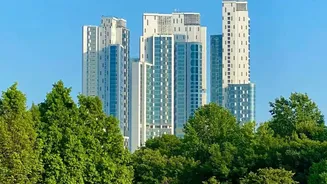
As India continues its rapid urbanisation, the integration of green spaces cannot be an afterthought. It must be a core component of urban planning. Studies from cities like Chennai show a direct correlation: areas with more green infrastructure report lower stress levels among residents. The path forward requires a conscious policy shift towards protecting existing green areas and strategically creating new ones, from large parks to small neighbourhood gardens and vertical greenery. Ensuring these spaces are accessible, safe, and welcoming to all sections of society is paramount. Investing in green infrastructure is an investment in public health, creating cities that are not only economically prosperous but also mentally and emotionally sustainable for the generations to come.