







The Hidden Danger in the Water
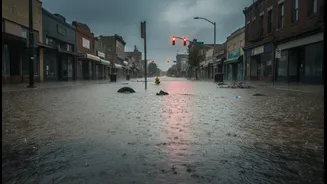
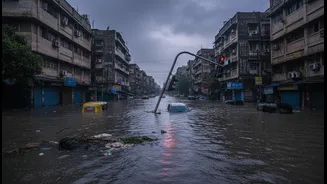
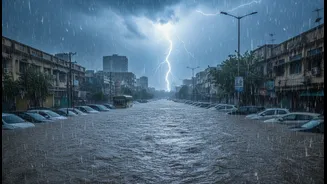
Every year, tragic incidents serve as a grim reminder of how easily floodwater can turn deadly. When streets are submerged, so are junction boxes, damaged underground cables, and the bases of countless electrical poles. Water, especially dirty rainwater
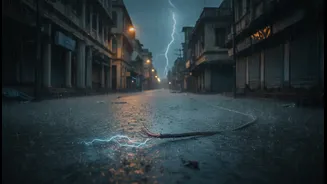
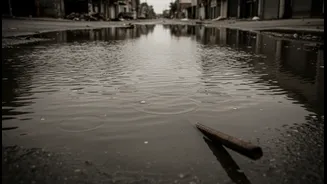
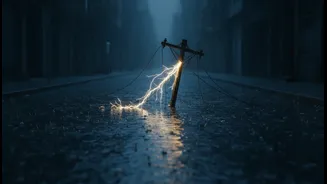
filled with minerals and pollutants, is an excellent conductor of electricity. A single exposed or snapped wire touching the water can electrify a large area, turning a simple puddle into a death trap. A person doesn't need to touch the wire directly; just stepping into the energized water can cause a fatal shock. The murky, often knee-deep water makes it impossible to see the submerged hazard, creating a silent and invisible risk for anyone wading through it.
A Nationwide Pattern of Preventable Deaths
This is not an isolated problem. From Mumbai and Delhi to Kolkata and Ghaziabad, electrocution deaths during the monsoon have become a recurring tragedy. Recent incidents include a man in Ghaziabad who was electrocuted after stepping onto a waterlogged road near a transformer. In Nagpur, a woman died after receiving an electric shock while walking through a flooded street. These incidents are often linked to poorly maintained power infrastructure, including ageing poles, exposed wiring near roads, and corroded connections on streetlights. Sometimes, even metal railings on a bridge can become live, as seen in a heartbreaking incident in Uttarakhand. These events highlight a systemic failure to monsoon-proof our urban electrical grids, turning everyday spaces into hazard zones.
How to Spot an Electrical Hazard
Being vigilant can save your life and the lives of others. While the source of danger is often hidden, there are warning signs to look out for. Be cautious if you see sparks coming from a pole or transformer, tilted or damaged electricity poles, and open or submerged meter boxes. Keep a safe distance from any area where you see snapped or dangling power lines. If you are at home and notice water seeping near electrical outlets or your main meter box, it's a major red flag. Any buzzing sounds near electrical installations in a wet environment should also be treated as a serious danger. The safest assumption is that any standing water near electrical infrastructure could be live.
Your First Line of Defence: Essential Safety Steps
The single most important rule is to avoid walking or driving through waterlogged streets whenever possible. Never touch electrical poles, streetlight posts, or metal fences in or near flooded areas. At home, ensure your main switch and circuit breakers are accessible. If water enters your premises, switch off the main power supply immediately. Avoid touching any switches or electrical appliances with wet hands. It is also wise to have an electrician check your home's wiring and install an Earth Leakage Circuit Breaker (ELCB) or Residual Current Circuit Breaker (RCCB), which can automatically cut off the power if a current leak is detected, preventing a severe shock. Teach children to stay away from puddles, poles, and transformers.
How and Where to Report a Fault
Your action can prevent an accident. If you spot a damaged pole, exposed wires, or sparking from electrical equipment, do not assume someone else has already reported it. Power distribution companies (discoms) across the country have urged citizens to become their eyes on the ground. Many, like DHBVN in Gurgaon, have launched dedicated helpline numbers where citizens can send photos and locations of potential hazards. In Delhi, BSES has set up 'war rooms' and quick response teams to handle monsoon exigencies. Keep the helpline number for your local electricity provider saved on your phone. Many discoms also accept complaints via WhatsApp or mobile apps. Reporting these issues promptly allows maintenance teams to address the fault before it causes a tragedy.