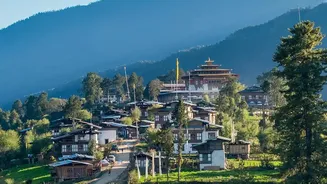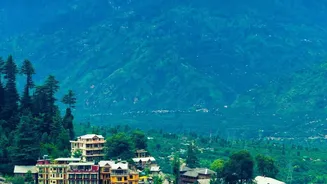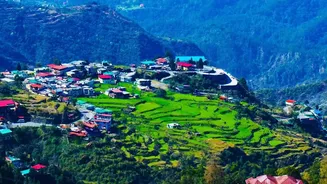





For travellers seeking an escape from crowded tourist hubs, Uttarakhand's forest villages now offer a refreshing alternative: simple, clean, and affordable eco-lodges that immerse you in nature without emptying your wallet.
A New Model for Mountain Travel
Tucked away in serene Himalayan
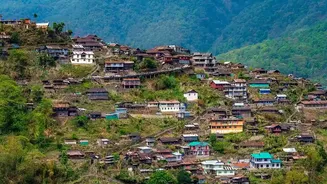
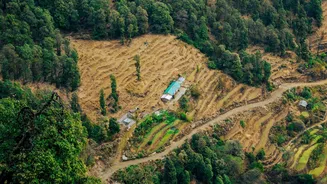
valleys, a new type of accommodation is taking root. These are not luxurious resorts, but rather humble, clean, and thoughtfully designed eco-lodges and homestays. Often run by local communities or managed by the Uttarakhand Forest Development Corporation, they provide a sustainable travel model that benefits both visitors and residents. The core idea is to offer an authentic experience that is deeply connected to the region's natural beauty and cultural heritage. This approach also helps generate local livelihoods, which is crucial in preventing the out-migration that has led to 'ghost villages' in some parts of the state.
What to Expect: Simplicity and Authenticity
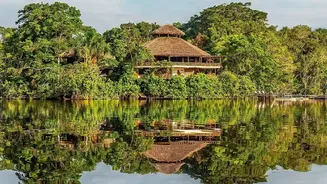
The promise of these lodges is simple: a clean, safe, and budget-friendly place to stay. Expect rooms that are rustic yet comfortable, often built using local materials and traditional architectural styles. Instead of televisions and room service, you will find stunning mountain views, the sound of birdsong, and crisp, fresh air. Amenities are basic but sufficient, with private rooms, attached bathrooms, and home-cooked meals often being part of the package. Many of these establishments run on solar power and use harvested rainwater, offering a truly off-grid experience that minimises your environmental footprint. It’s a chance to disconnect from modern chaos and reconnect with nature.
More Than Just a Room
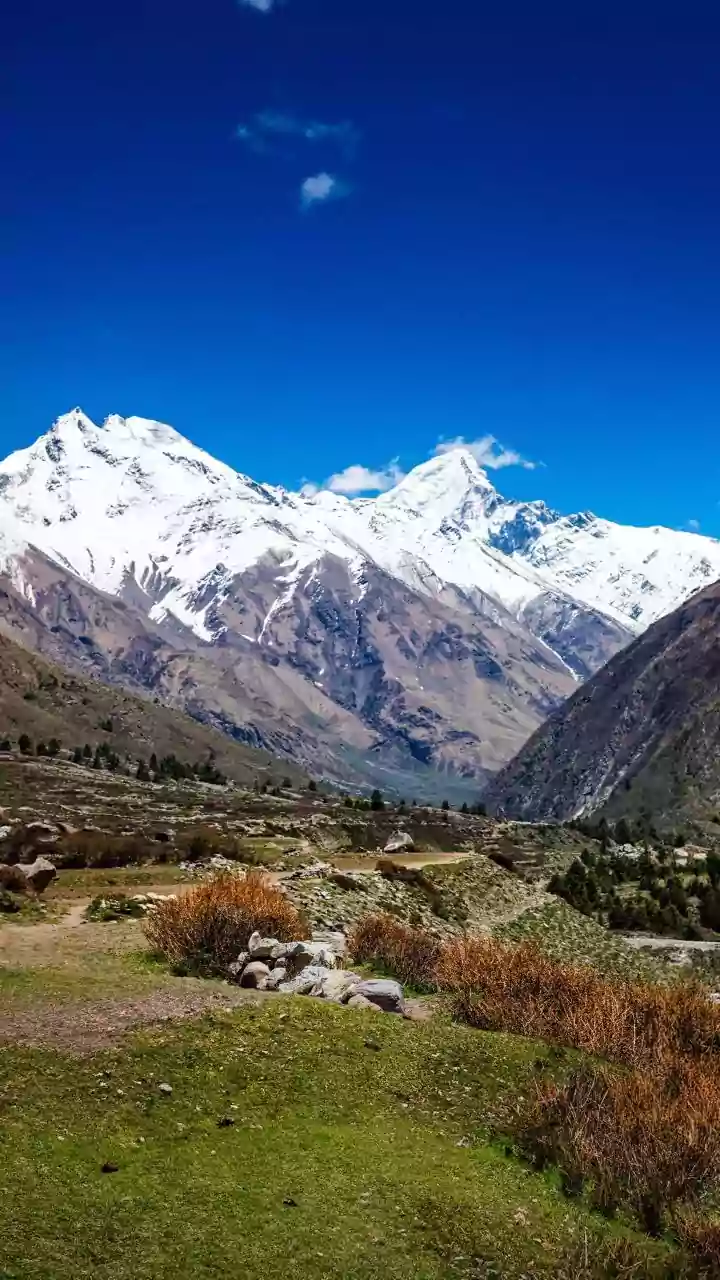
Staying in a forest eco-lodge is about more than just accommodation; it's an immersive cultural and natural experience. The hosts are often village residents who double as guides, ready to lead you on treks through dense oak and rhododendron forests, point out rare Himalayan birds, or share stories about local life and traditions. You can spend your days hiking to serene viewpoints, exploring nearby temples, or simply enjoying a cup of tea while gazing at snow-capped peaks. Many lodges also offer farm-to-table meals, giving you a taste of authentic Kumaoni or Garhwali cuisine made from organic, locally sourced ingredients.
Community-Based and Eco-Conscious
Many of these initiatives fall under the umbrella of Community-Based Tourism (CBT), a model designed to empower local communities by giving them ownership of tourism activities. Organisations like the Himmotthan Society, with support from foundations, have been instrumental in developing homestay clusters in districts like Tehri Garhwal and Rudraprayag. These projects train villagers, especially women, to become hospitality entrepreneurs and guides, ensuring that tourism revenue flows directly back into the local economy. The 'eco' aspect is also taken seriously. For instance, some lodges are built using innovative techniques like compressing pine needles ('pirul'), a highly flammable forest fire hazard, into construction blocks.
How to Find and Book These Stays
Finding these forest lodges requires a bit more research than booking a conventional hotel, but the reward is a far more unique experience. A good starting point is the official website of the Uttarakhand Forest Development Corporation (UAFDC), which lists its eco-tourism destinations and night camps in places like Binsar Wildlife Sanctuary, Kanasar, and Devalsari. Several private eco-resorts and homestays can also be found on booking platforms, often listed as 'lodges' or 'homestays' in offbeat locations like Jageshwar, Khurpatal, and inside wildlife sanctuaries. Searching for 'community-based tourism' or 'eco-lodges' in specific regions like Kumaon or Garhwal can also yield excellent results.