





A Shift in the Travel Mindset
For decades, domestic travel often meant a familiar circuit of hill stations, beaches, and historical monuments. Today, that script is being rewritten. A growing number of Indians, particularly millennials and Gen Z, are driven by a desire for more than
just a getaway; they want an experience. This shift from passive observation to active participation is the engine behind the adventure tourism boom. Factors like rising disposable incomes, greater global exposure through social media, and a post-pandemic craving for open spaces have converged, creating a perfect storm. The focus is no longer just on the destination itself, but on the activity—be it trekking, rafting, or diving—and the personal growth that comes with it.
Beyond the Beaten Path
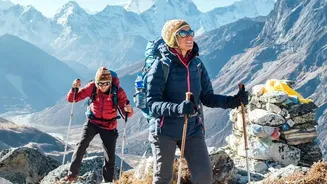
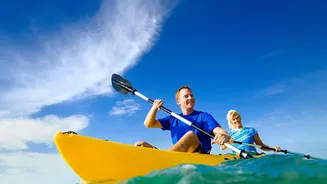
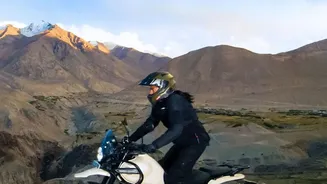
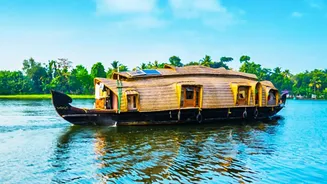
Adventure tourism is pushing travellers to discover regions previously left off the tourist map. While Manali and Rishikesh remain popular, adventurers are now venturing deeper. Instead of the usual Himalayan circuit, they are trekking through the remote Spiti Valley or the pristine trails of Arunachal Pradesh. In the south, the focus is shifting from crowded beaches to activities like surfing in Varkala or kayaking through the serene backwaters of Kollam. Destinations are now being chosen for the unique challenges they offer. Meghalaya's ancient cave systems invite exploration, while the high-altitude deserts of Ladakh offer some of the most challenging and rewarding road journeys and treks in the world. This trend is revealing a more diverse, rugged, and exciting India.
A Spectrum of Adventure for Everyone
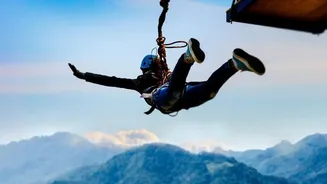
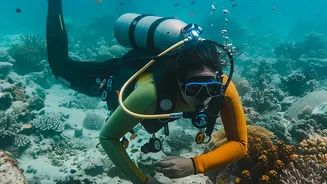
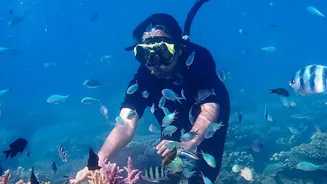
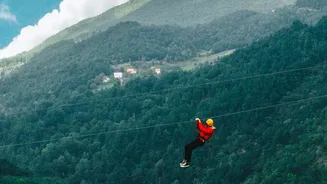
The beauty of this trend is its accessibility. Adventure in India is no longer reserved for elite mountaineers. The market is broadly divided into 'soft' and 'hard' adventures, catering to all fitness levels and appetites for risk. Soft adventures, which make up the majority of the market, include activities like guided treks, camping, ziplining, and hot air ballooning. These are often entry points for families and first-timers. For those seeking a greater adrenaline rush, hard adventures like white-water rafting on the Ganges, paragliding in Bir Billing (considered one of the world's best spots), scuba diving in the Andaman Islands, and skiing in Auli are more popular than ever. This wide range ensures that almost anyone can find their own version of adventure.
The Ripple Effect on Local Economies
Perhaps the most significant impact of this trend is economic. As travellers push into remote areas, they bring vital income with them. Adventure tourism, by its nature, is deeply reliant on local expertise. This creates jobs for local guides, porters, and support staff, often in areas with few other employment opportunities. The demand for authentic experiences also fuels the growth of homestays and small, locally-owned guesthouses, ensuring that tourist spending directly benefits the host community. This model of community-led tourism not only provides a sustainable income but also incentivises the preservation of local culture and the natural environment, which are the very assets that attract adventurers in the first place.