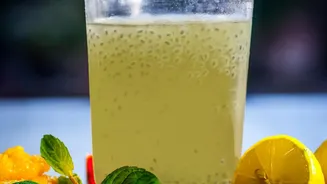



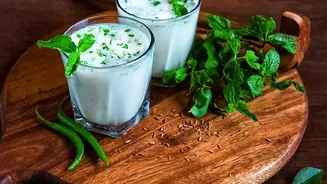
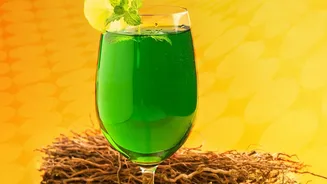
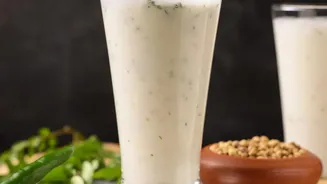
For generations, it has been the familiar, tangy antidote to a heavy meal or a spicy snack. Now, the humble jeera soda is moving from street corners to supermarket shelves, finding new life in India's crowded beverage market.
From a Kitchen Experiment to a Market Challenger
For years, the Indian cold
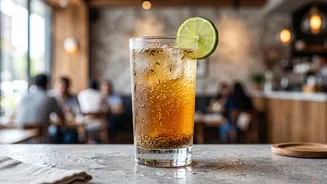
drink market was a straightforward battle between global cola giants. That is rapidly changing, thanks to a flavour found in every Indian kitchen: jeera. Cumin-flavoured fizzy drinks, long available at roadside stalls, are now a dominant force in the packaged beverage aisle. This shift is driven by a new wave of homegrown brands that have successfully bottled this traditional taste. One of the most prominent, Lahori Zeera, was born from a casual kitchen experiment in Punjab in 2017 among three cousins. They commercialised a tangy, homemade cumin soda, and nearly a decade later, their company is projected to generate revenues of up to $120 million this year. Their success story is not isolated. Brands like Xotik Frujus’ Jeeru, which was one of the first to commercially produce the drink in 2007, Mukesh Ambani’s Campa Jeera, and Bindu Jeera Fizz have all become major players. This surge has effectively created a new 'ethnic beverages' category, reshaping the market landscape.
A Growing Thirst for Healthier, 'Better-for-You' Drinks
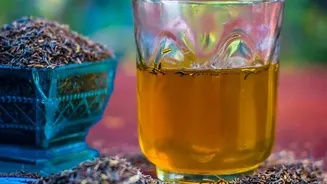
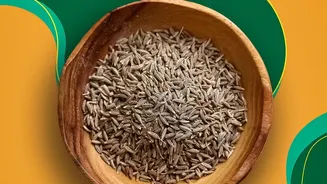
A significant driver behind jeera soda's rise is a conscious shift in consumer behaviour. Indian consumers are increasingly reading labels and seeking out beverages they perceive as healthier alternatives to sugary colas. Cumin, or jeera, fits perfectly into this trend. Rooted in Ayurveda, cumin has been used for centuries for its digestive properties. It is known to stimulate digestive enzymes, which helps the body process food more comfortably and can relieve bloating and gas. This functional benefit is a core part of jeera soda’s appeal. Brands are positioning it not just as a refreshment, but as a digestive aid, a 'functional beverage' that offers more than just taste. Some companies, like House of Bindu, have even launched zero-sugar versions to appeal to health-conscious consumers. This 'wellness' positioning gives it a distinct advantage over traditional soft drinks.
The Power of Nostalgia and Smart Pricing
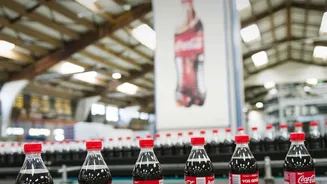
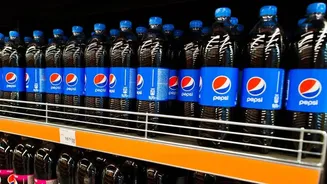
Beyond health, the emotional connection to jeera soda is a powerful marketing tool. The flavour evokes a sense of nostalgia, reminding consumers of homemade remedies, street-side vendors, and post-meal family rituals. It’s a familiar, trusted taste. This cultural relevance has helped brands build a loyal following without massive marketing budgets, often relying on word-of-mouth. Crucially, this success is anchored by sharp pricing. Many brands have focused on the mass-market Rs 10 price point, making their products widely accessible, especially in Tier II and Tier III cities where they have a strong presence in local kirana stores. This strategy has directly challenged the market share of giants like Coca-Cola and PepsiCo. According to a Kotak Mutual Fund report, these ethnic beverage brands collectively doubled their market share to around 15% by late 2025, while the combined share of the two cola giants fell from 93% to 85%.
What’s Next for India’s Cumin Craze?
The success of jeera soda signals a broader formalisation of India's traditional beverage market. What was once an unorganised sector of street vendors is now a structured industry with branded, packaged products. The road ahead is not without challenges. Rising costs for raw materials like sugar and plastic threaten the thin profit margins associated with low price points. Furthermore, the big players are taking notice. Coca-Cola, which acquired the cumin soda brand Rimzim in the 1990s, has reportedly doubled its production to compete. Despite this, the homegrown brands remain ambitious. Lahori Zeera’s manufacturer struggles to meet demand even after doubling its daily production capacity to 1.2 million bottles. The brand's founder has expressed plans to take Indian flavours global in the coming years. This suggests the jeera soda phenomenon is more than a fleeting trend; it’s a confident assertion of Indian taste on the world stage.