





What Exactly Has Changed?
Until recently, planning a trip to Vietnam involved a slightly more complicated visa process, often requiring an approval letter for a visa-on-arrival or a shorter-validity e-visa. However, in a game-changing move from August 2023, Vietnam's government
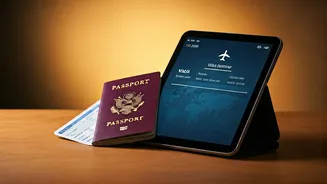
opened its doors wider. The country now offers a new, much more flexible e-visa for citizens of all countries, including India. This new system replaces the previous 30-day, single-entry e-visa with a far more tourist-friendly option, effectively removing one of the biggest logistical hurdles for Indian globetrotters looking to explore this Southeast Asian jewel.
The Key Benefits for Indian Travellers
This isn't just a minor tweak; it's a major upgrade that significantly benefits tourists. The primary advantage is the extended validity. The new e-visa allows for a stay of up to 90 days, a huge jump from the previous 30-day limit. This gives you ample time to soak in the culture, travel from the misty mountains of Sapa in the north to the bustling Mekong Delta in the south, and truly immerse yourself in the country without feeling rushed. Furthermore, the new e-visa is a multiple-entry document. This means you can enter Vietnam, travel to a neighbouring country like Cambodia or Laos, and then re-enter Vietnam on the same visa. This flexibility is perfect for those planning a larger Southeast Asia tour. The entire process is online, meaning no more visits to an embassy or waiting for physical documents. It’s faster, cheaper, and much more convenient.
A Step-by-Step Guide to Your E-Visa
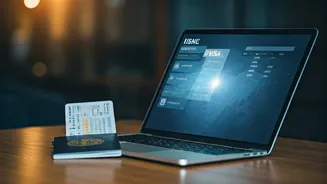
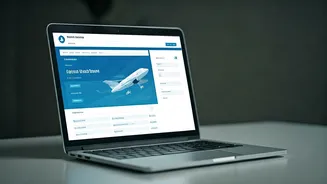
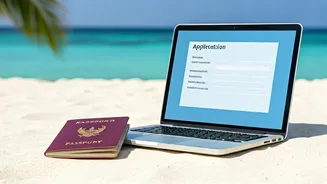
Securing your ticket to Vietnam is a straightforward digital process. Follow these steps carefully: 1. **Visit the Official Portal:** The one and only place to apply is the official Vietnam Immigration portal. Be wary of third-party websites that look similar but may charge extra fees or be fraudulent. 2. **Complete the Application Form:** You will need to upload a portrait photo (4x6 cm, white background, no glasses) and a scanned image of your passport's data page. Fill in all personal details exactly as they appear on your passport to avoid any discrepancies. 3. **Enter Your Travel Details:** Specify your intended entry and exit points, as well as your temporary address in Vietnam (your first hotel booking will suffice). Select the visa validity you require (90 days, multiple entry). 4. **Pay the Fee:** The fee for the 90-day, multiple-entry e-visa is currently set at $50 USD. Payment is made directly on the portal via a secure gateway. 5. **Wait and Download:** After submitting, you'll receive a registration code to track your application. Processing typically takes 3-5 business days. Once approved, you can log back in using your code to download and print your e-visa. Always carry a printed copy with you during your travels.
Common Pitfalls to Avoid
While the process is simple, small mistakes can lead to delays or rejection. Double-check everything before you hit submit. The most common error is a mismatch between the information in your passport and the details entered on the form — even a small typo can cause problems. Another frequent issue is the photo. Ensure your digital photograph meets the specified requirements (white background, clear view of your face, no hats or glasses). Lastly, apply well in advance of your travel dates. While the official processing time is a few business days, it's wise to give yourself at least a two-week buffer to account for any potential delays or public holidays in Vietnam.
Beyond the Visa: Planning Your Hanoi Adventure
With the visa sorted, the fun part begins! A 90-day window allows you to truly experience Hanoi and beyond. Use the city as your base to explore the stunning limestone karsts of Ha Long Bay on a two or three-day cruise. Take a weekend trip to Ninh Binh, often called 'Ha Long Bay on land'. With a multiple-entry visa, you could even hop over to Luang Prabang in Laos for a few days before returning to Vietnam to fly home from a different city, like Da Nang or Ho Chi Minh City. The new visa doesn’t just make it easier to get to Vietnam; it makes for a richer, more flexible travel experience once you're there.