



The Great Indian Protein Paradox
For decades, India has faced a quiet but persistent nutritional gap. Despite being a nation rich in culinary diversity, a significant portion of the population doesn't get enough protein. Studies have repeatedly shown that many Indian diets are heavy
on carbohydrates and fats, with protein taking a backseat. Some surveys indicate that over 70% of Indians are protein-deficient, and what's more, over 90% are unaware of their daily protein requirements. This isn't just about what's available; it's also about awareness and dietary habits. Even in households with access to protein-rich foods, consumption often remains low due to cultural food preferences and a lack of understanding about protein's importance beyond muscle-building.
From Niche Concern to National Conversation
So, what propelled protein from a niche fitness supplement to a mainstream grocery item? The shift is being driven by a confluence of factors. Firstly, there is a growing public health consciousness, amplified by nationwide awareness campaigns like the 'Right To Protein' initiative, which designated February 27th as India's 'Protein Day'. This has been coupled with government efforts like the National Nutrition Mission, encouraging nutrient-rich foods. Secondly, rising urbanisation and incomes mean more consumers are willing to pay for products that offer health benefits. This is amplified by celebrity endorsements and social media influencers who have helped make protein consumption seem aspirational and, crucially, normal for everyone, not just athletes.
The Market Responds in Force
Where consumer attention goes, the market follows. India's food industry is undergoing a significant transformation, with established FMCG giants and agile startups alike racing to meet the new demand. Supermarket aisles now feature an array of protein-fortified products, from everyday staples like atta and dosa batter to snacks like chips and even ice cream. The protein-based products market in India is booming, projected to grow from around $4.58 billion in 2024 to over $16 billion by 2033. This isn't just a metro phenomenon; demand in Tier 2 and Tier 3 cities is reportedly growing faster than in major urban centres, signalling a deep-seated shift in food habits across the country.
Challenges on the Dinner Plate
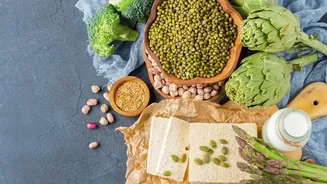
Despite the positive momentum, the journey to protein sufficiency is not without its hurdles. One of the biggest challenges remains the quality of protein being consumed. A recent study found that nearly half of the at-home protein intake in India comes from cereals, which have a poorer amino acid profile compared to sources like dairy, pulses, and lean meats. Affordability is another major barrier. High-quality protein sources like chicken or even pulses can be significantly more expensive than carbohydrate-heavy staples like rice, forcing low-income families to prioritise energy-dense foods over nutritionally balanced ones. Furthermore, the boom in 'high-protein' products has created a confusing landscape for consumers, who must navigate marketing claims to find genuinely nutritious options.