


Saturn at Its Brightest
On October 4, 2026, Saturn will be at opposition. This means Earth will pass directly between the Sun and the ringed planet, making it appear at its biggest and brightest for the year. Visible all night long, it will rise in the east around sunset and track
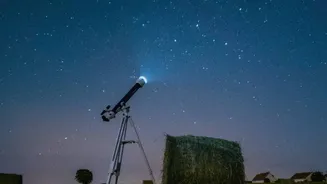
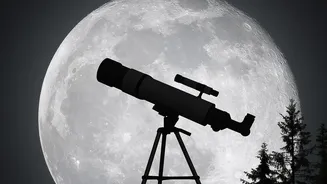
across the sky until dawn. While Saturn itself will be easily visible to the naked eye as a steady, bright point of light in the constellation Cetus, a small telescope will reward you with a view of its magnificent rings. The post-monsoon period offers clear skies across much of India, making early October an ideal time to get acquainted with the jewel of our solar system.
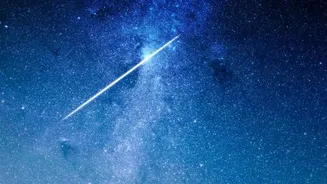
The Orionid Meteor Shower
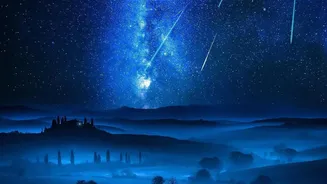
In late October, Earth passes through the dusty trail of the most famous comet of all: Halley's Comet. This encounter creates the Orionid meteor shower, which will peak on the night of October 21-22. The Orionids are known for their speed, entering the atmosphere at around 71 km per second, which can result in intensely bright and long-lasting trails. While the moon will be bright in the evening, it sets after midnight, leaving the pre-dawn hours dark for optimal viewing. Expect to see up to 20 meteors per hour under dark skies. The radiant, or the point from which the meteors appear to originate, is in the constellation Orion, one of the easiest patterns to spot in the sky.
A Planetary Dance: Jupiter and Mars
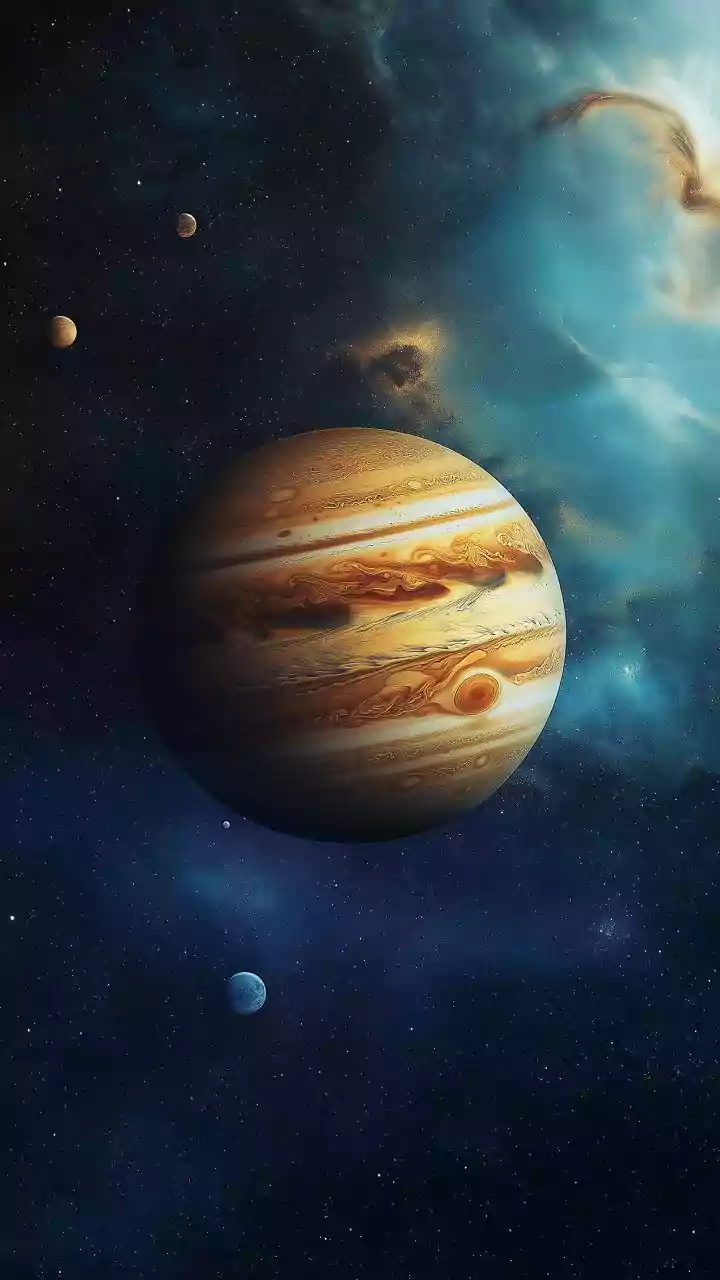
Celestial conjunctions, where two or more objects appear close together in the sky, are always a treat. On the night of November 15-16, Jupiter and Mars will offer a beautiful pre-dawn spectacle. The pair will rise around midnight in the eastern sky, located in the constellation Leo near the bright star Regulus. Jupiter, the giant of our solar system, will appear brilliantly white and will significantly outshine the distinctly reddish Mars. Though they appear close, it's a line-of-sight illusion; the planets remain hundreds of millions of kilometres apart. This is an easy and rewarding event for naked-eye observers and a great photo opportunity for astrophotographers.
The Grand Finale: The Geminid Meteor Shower
If you see only one celestial event in December, make it the Geminids. Widely considered the best and most reliable meteor shower of the year, the Geminids will peak on the night of December 13-14. Unlike most meteor showers, which originate from comets, the Geminids are born from an asteroid named 3200 Phaethon. This parentage results in denser, slower, and often more intensely coloured meteors. The 2026 shower promises to be exceptional, as the peak coincides with a thin crescent moon that sets early in the evening, guaranteeing dark skies. Under ideal conditions, you could see up to 120 meteors per hour. A major advantage for family viewing is that its radiant in Gemini rises by 9 PM, meaning the show starts long before the chilly pre-dawn hours.
Where to Watch in India
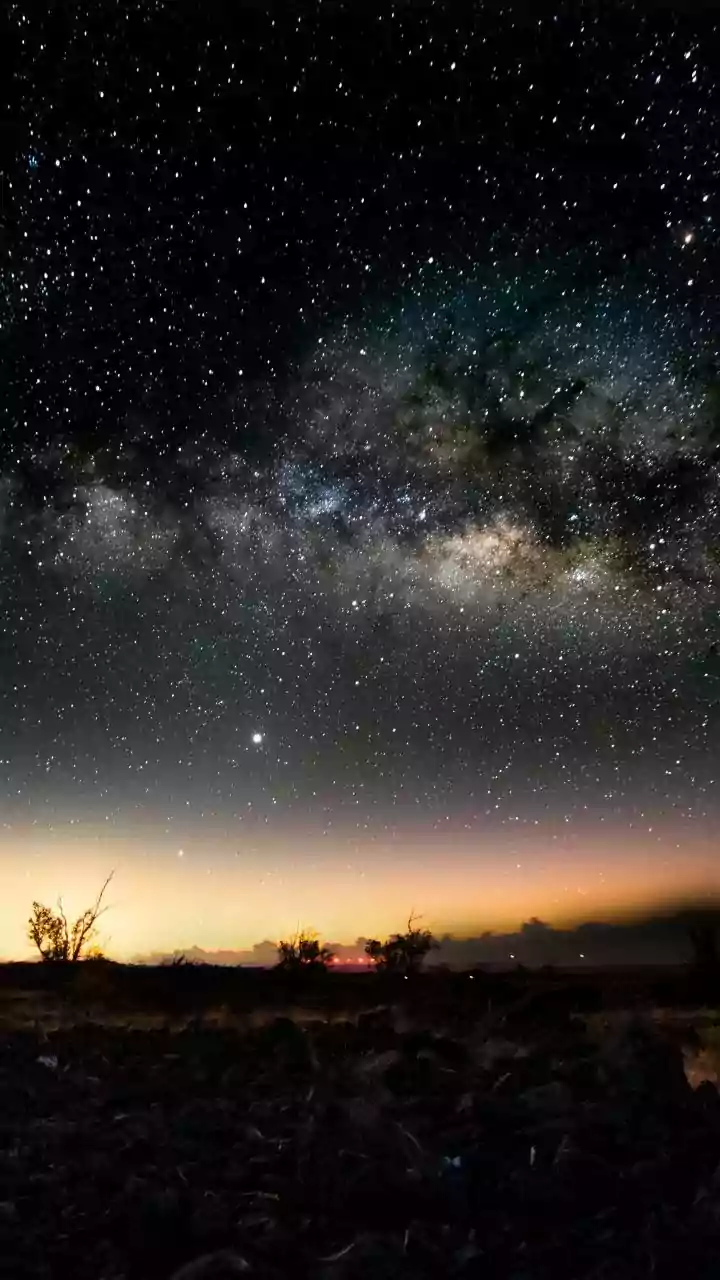
To make the most of these events, escaping city lights is crucial. India is fortunate to have a growing number of accessible dark-sky locations. The premier spot is the Hanle Dark Sky Reserve in Ladakh, but other excellent options exist across the country. Spiti Valley in Himachal Pradesh offers pristine high-altitude skies. For those in North India, the deserts around Jaisalmer in Rajasthan provide remarkable clarity, especially in winter. The Rann of Kutch in Gujarat offers a unique 360-degree horizon. In the south, Coorg in Karnataka has many spots away from light pollution that are perfect for a night under the stars. Even a 60-90 minute drive from your city to a darker rural area can dramatically improve your viewing experience.