







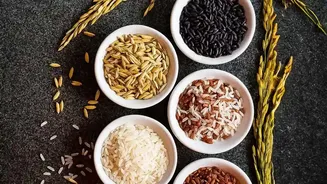

The Problem with Polished White Rice
White rice, a staple in countless Indian households, is a comforting and versatile grain. However, the polishing process that gives it a long shelf life and soft texture also strips it of its bran and germ. This removes a significant portion of its natural
fiber, vitamins, and minerals. The result is a grain that is primarily simple carbohydrates. While it provides quick energy, a diet heavily reliant on polished white rice can lead to blood sugar spikes and lacks the dietary fiber essential for optimal digestive health. Over time, this low-fiber intake can leave your beneficial gut bacteria undernourished, potentially leading to digestive issues and an imbalanced gut microbiome.
Introducing the Millet Powerhouses
Enter millets, the ancient grains that are making a well-deserved comeback. Unlike polished rice, millets are whole grains that retain their nutrient-rich outer layers. They are celebrated not just for their resilience in the field but for their dense nutritional profile. Specifically, millets are exceptional sources of dietary fiber, both soluble and insoluble. This fiber is the key to their gut-friendly reputation. It acts as a prebiotic, providing essential food for the trillions of beneficial microorganisms living in your digestive tract, collectively known as the gut microbiome.
Spotlight on Foxtail Millet (Kangni)
Foxtail millet, known as Kangni in Hindi, is a nutritional gem. It significantly outperforms white rice in several key areas. It's richer in protein, essential minerals like iron and calcium, and, most importantly, dietary fiber. The high fiber content in foxtail millet helps regulate bowel movements and prevent constipation. Furthermore, studies suggest its consumption can help balance gut bacteria by promoting the growth of beneficial microbes like Lactobacillus and Bifidobacterium. Its low glycemic index also means it releases sugar into the bloodstream more slowly than white rice, contributing to better blood sugar control and sustained energy.
Spotlight on Sorghum (Jowar)
Sorghum, or Jowar, is another formidable grain in the millet family. Naturally gluten-free, Jowar is an excellent option for those with sensitivities. It is packed with fiber, antioxidants, and protein. The fiber in Jowar not only aids in digestion and prevents constipation but also contains resistant starch. This type of starch bypasses digestion in the small intestine and travels to the colon, where it ferments and feeds good gut bacteria. This process produces short-chain fatty acids (SCFAs) like butyrate, which are crucial for maintaining a healthy gut lining and reducing inflammation.
The Microbiome: Your Inner Ecosystem
Your gut microbiome is a complex ecosystem that influences everything from digestion and immunity to mood and metabolism. A healthy, diverse microbiome thrives on fiber. The prebiotic fibers found abundantly in foxtail millet and sorghum act as the primary food source for your beneficial gut bacteria. When these bacteria are well-fed, they flourish, keeping harmful bacteria in check. They produce vital compounds that strengthen the gut barrier, enhance nutrient absorption, and support overall systemic health. A diet low in this fiber starves these beneficial microbes, allowing less desirable ones to proliferate, which can lead to bloating, inflammation, and other digestive issues.
Making the Swap: A Practical Guide
Replacing white rice with foxtail millet or sorghum is simpler than you might think. Foxtail millet can be cooked much like rice. A common method is to use a 1:2 ratio of millet to water (1 cup of millet to 2 cups of water). Soaking the millet for at least an hour can improve its texture and reduce cooking time. Sorghum can be cooked whole like rice, though it has a chewier texture, or more commonly used as flour to make rotis. Cooked foxtail millet has a mild, nutty flavour that pairs well with dals, curries, and sabzis, making it an easy substitute in dishes like pulao or even lemon rice. Start by swapping rice for millet in one meal a day to allow your digestive system to adjust to the increased fiber intake.