





The Allure of the Packaged Snack
Let’s be honest: the crackle of a freshly opened packet of chips or namkeen is one of life’s simple pleasures. These snacks are engineered for 'hyper-palatability'. They hit a perfect trifecta of salt, fat, and crunch that our brains are hardwired to
love. They’re convenient, cheap, and available everywhere, making them the default choice when a hunger pang strikes. But this convenience comes at a cost. The very qualities that make them so addictive—high levels of sodium, unhealthy fats, and refined carbohydrates—are also what make them a poor choice for regular consumption, especially during the sweltering Indian summer.
The Sodium Trap in Summer
The biggest villain in most packaged snacks is sodium. While our bodies need a small amount of sodium to function, the levels found in a single serving of chips, bhujia, or other fried munchies can often exceed a significant portion of our recommended daily intake. During summer, this is particularly problematic. High sodium intake can contribute to water retention and bloating, making you feel sluggish in the heat. More importantly, it can interfere with your body’s ability to stay properly hydrated. Excess salt makes you thirstier, but it can also strain your kidneys and contribute to elevated blood pressure over time, working directly against your efforts to stay cool and healthy.
The Nutritional Powerhouse: Unsalted Nuts
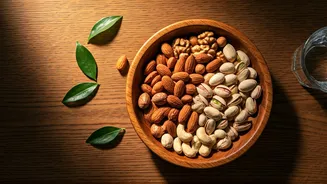
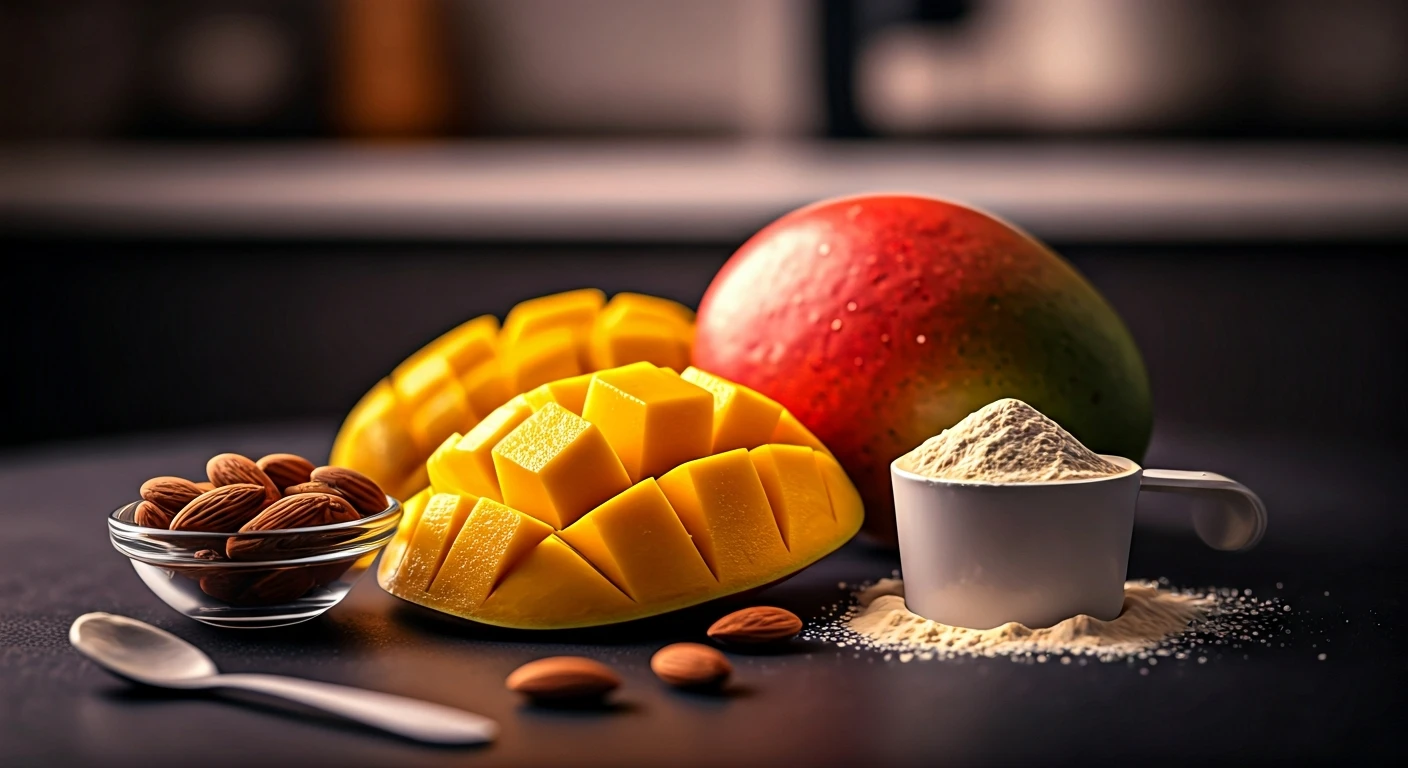
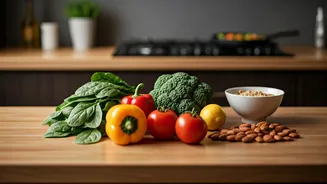
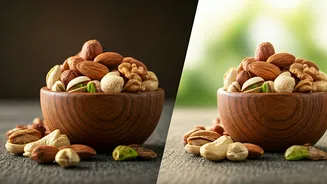
Now, let’s look at the alternative: a simple handful of unsalted nuts. Almonds, walnuts, pistachios, and cashews are not just crunchy and satisfying; they are nutritional powerhouses. Unlike the 'empty calories' of many processed snacks, nuts are packed with essentials. They are a fantastic source of heart-healthy monounsaturated and polyunsaturated fats, which help lower bad cholesterol levels. They provide plant-based protein and dietary fibre, two key nutrients that promote satiety. This means a small portion of nuts can keep you feeling full and energised for much longer than a large bag of chips, helping you avoid overeating. They are also rich in vital micronutrients, including Vitamin E, magnesium, and antioxidants that help fight inflammation.
Beyond Salt: Fats and Processing
The difference isn't just about sodium. Packaged snacks are often deep-fried in refined vegetable oils, which can be high in unhealthy saturated or trans fats. These fats are linked to a host of health issues, from heart disease to systemic inflammation. Furthermore, these snacks undergo extensive processing, stripping away natural nutrients and adding artificial flavours, colours, and preservatives to extend shelf life. Unsalted nuts, in their natural or dry-roasted form, are a whole food. They contain fats, yes, but these are the beneficial fats your body needs. They provide sustained energy without the sugar crash associated with snacks made from refined flour or starch.
Making the Smart and Tasty Switch
Making the change doesn’t have to be boring. If you find plain nuts unexciting, try making your own trail mix. Combine a variety of nuts like almonds and walnuts with seeds (pumpkin, sunflower) and a small amount of dried fruit (raisins, apricots) for a mix of textures and flavours. You can also lightly toast nuts at home and toss them with your favourite spices like black pepper, paprika, or chaat masala. This gives you the savoury kick you crave while controlling the amount of salt you add. The key is portion control. A closed handful (about 25-30 grams) is a perfect serving size that delivers all the benefits without excessive calories.