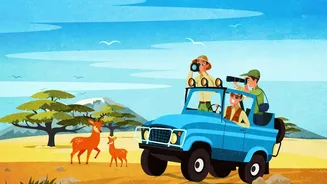




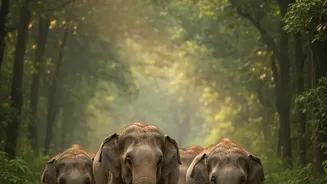
As mist drapes the forests and grasslands of India, a magical season for wildlife awakens. Winter offers a unique opportunity to witness the country's most iconic animals in their natural element, with comfortable weather and prime viewing conditions.
Why Winter is Prime Safari Season
The winter months, from November to February, are widely considered the best time for a jungle safari in India. The climate is pleasant, with cool mornings and sunny afternoons, making long hours in an open-air jeep comfortable and enjoyable. Animals are generally more active during the day, as they emerge to bask in the sun. The post-monsoon vegetation is lush, but as winter progresses, the foliage becomes less dense, improving visibility. This season is also a delight for birdwatchers, with many migratory species arriving across the country.
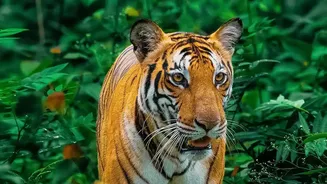
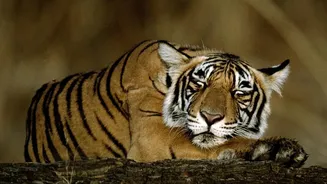
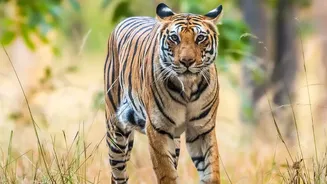
The Royal Bengal Tiger: Stripes in the Mist
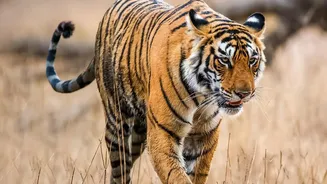
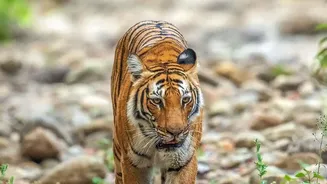
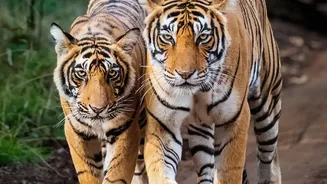
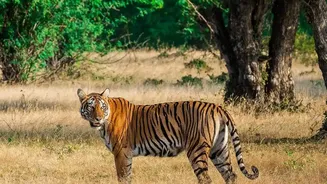
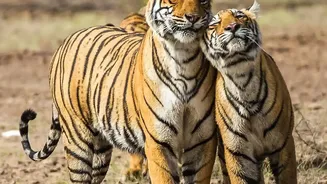
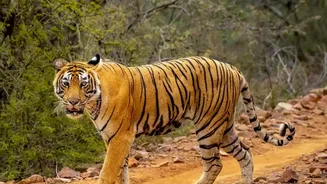
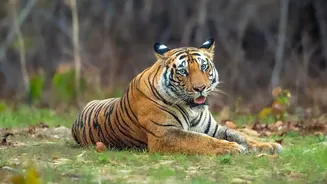
Tracking a Royal Bengal Tiger is a quintessential Indian wildlife experience. Winter provides excellent opportunities as these magnificent predators are often more active in the cooler daytime temperatures. Ranthambore National Park in Rajasthan is a top choice, famous for its tiger population and the stunning backdrop of its ancient fort and lakes. The park’s dry deciduous forests make spotting tigers against the arid landscape a photographer's dream. Another prime location is Bandhavgarh National Park in Madhya Pradesh, which boasts one of the highest densities of tigers in India. For those seeking a different landscape, Jim Corbett National Park in Uttarakhand offers a lush setting of Sal forests and grasslands along the Ramganga River.
The Elusive Leopard: Shadows on the Rocks
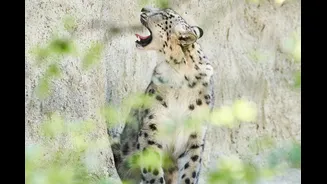
Leopards are masters of camouflage, but certain locations in India have become renowned for reliable sightings of this graceful cat. Jhalana Leopard Reserve in Jaipur, Rajasthan, is a unique urban sanctuary with an incredibly high density of leopards. Its accessibility from the city makes it possible to go on a safari without a long journey. Another exceptional destination in Rajasthan is the Jawai and Bera area, where leopards live harmoniously among dramatic granite hills and local communities. In Central India, Satpura National Park is another excellent habitat, known for its rugged terrain and quieter, more immersive safari experiences that also include walking and canoeing.
The Great Indian Rhino: Armour in the Grasslands
To witness the prehistoric might of the Great Indian one-horned rhinoceros, Assam is the ultimate destination. Kaziranga National Park, a UNESCO World Heritage Site, is the global stronghold for this species, hosting two-thirds of the world's population. Winter safaris here, either by jeep or on elephant-back, offer almost guaranteed sightings as the giant herbivores graze in the vast grasslands. Besides Kaziranga, Pobitora Wildlife Sanctuary, also in Assam, has the highest density of rhinos and is easily accessible from Guwahati. For a different setting, Dudhwa National Park in Uttar Pradesh offers a chance to see rhinos in the misty Terai grasslands, representing a significant conservation success story.
Planning Your Winter Safari
A successful wildlife trip requires planning. Safari permits for popular parks like Ranthambore and Bandhavgarh should be booked well in advance, especially for peak winter months, as they sell out quickly. Most parks offer morning and afternoon safaris, and booking multiple drives across different zones can increase your chances of sightings. Pack neutral-coloured clothing and dress in layers, as mornings can be very cold before the day warms up. Essentials include a hat, sunscreen, binoculars, and a good camera with a zoom lens to capture those unforgettable moments from a respectful distance.