




When it comes to heart health, finding a cardio workout you actually enjoy is half the battle. Swimming and dancing are two fantastic options that feel more like fun than a chore. Both boost your heart rate, but in distinctly different ways.
The Heart of the Matter
Cardiovascular
conditioning refers to any exercise that raises your heart and breathing rates, strengthening your heart muscle over time. A well-conditioned heart pumps blood more efficiently, which can lead to lower blood pressure, improved circulation, and better management of cholesterol levels. Regular cardio exercise reduces the risk of heart disease and stroke. Both swimming and dancing are celebrated forms of aerobic exercise that achieve this, but they take different paths to get there.
The Swimmer’s Advantage: Low-Impact Power
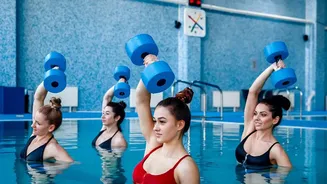
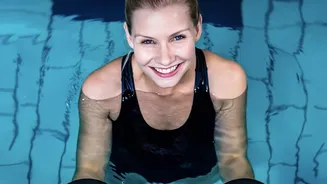
Swimming is often hailed as the perfect full-body workout. The water's buoyancy supports your body, making it exceptionally gentle on joints. This makes it an ideal choice for individuals with arthritis, joint pain, or those for whom high-impact activities are difficult. But low-impact doesn't mean low-intensity. Water provides constant resistance, which builds muscle strength and endurance across your arms, legs, and core. This resistance forces your heart to work harder to supply oxygenated blood to all these muscles, strengthening the cardiovascular system. Furthermore, the controlled breathing required in swimming enhances lung capacity, allowing your body to use oxygen more efficiently.
The Dancer's Rhythm: Weight-Bearing Fun
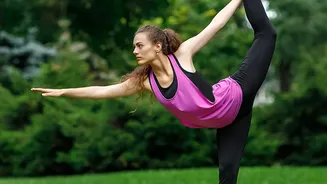
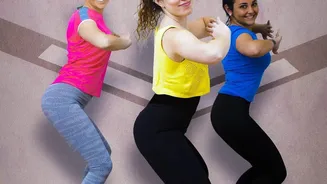
Dancing is a cardiovascular workout that combines physical activity with rhythm and expression. From high-energy Zumba to flowing ballet, the intensity can be easily varied. Unlike swimming, most forms of dancing are weight-bearing, meaning you are working against gravity. This is crucial for building and maintaining bone density, which helps prevent osteoporosis. The constant movement, changes in direction, and accelerations keep your heart rate elevated, improving endurance and lowering blood pressure. In fact, some studies have found that high-intensity dance can burn more calories in the same amount of time than swimming or running. Dancing also improves 'good' HDL cholesterol while lowering 'bad' LDL cholesterol.
A Head_to_Head Comparison
When comparing the two, the main differences lie in impact and muscle engagement. Swimming is a low_impact, full_body resistance workout, while dancing is a higher_impact, weight_bearing activity that also boosts coordination and balance. In terms of energy expenditure, measured in Metabolic Equivalents (METs), both can be moderate to vigorous activities. For example, recreational swimming and ballroom dancing are considered moderate_intensity exercises, while swimming laps and vigorous dancing like Zumba are considered high_intensity. This means both can provide an excellent cardiovascular challenge depending on the effort you put in. One significant advantage of dancing is that it requires no special equipment and can be done almost anywhere. Swimming, on the other hand, requires access to a pool.
Which One Is Right For You?
The best choice ultimately depends on your personal health, goals, and what you find most enjoyable. If you have joint problems or are looking for a workout that feels both meditative and challenging, swimming is an unparalleled option. It provides a comprehensive, low_risk cardio and strength workout. If you are motivated by music, social interaction, and want to improve your bone density while getting your heart rate up, dancing is a superb choice. Many dance fitness classes like Zumba are specifically designed for a high_energy cardio experience. The variety within dancing means there is a style to suit nearly every taste and fitness level, from gentle waltzes to high_impact hip_hop.