






What Happened in Nepal
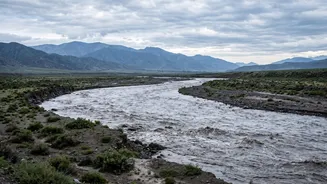
The crisis began after a massive flash flood, potentially triggered by a glacial lake outburst or an avalanche following an earthquake near the Tibet border, struck Nepal's Bhote Koshi-Trishuli river basin. The sudden surge of water, mud, and debris caused
widespread devastation in Nepal's Rasuwa district and other central regions, sweeping away homes, bridges, and hydropower projects. The event has resulted in a significant loss of life, with hundreds reported dead or missing, including a number of foreign tourists and Indian nationals. Rescue operations in Nepal have been hampered by the difficult mountainous terrain and continued heavy monsoon rains.
Why It's a Threat to India
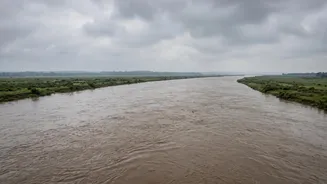
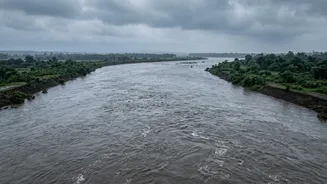
The geography of the region dictates that major river systems flow from the higher Himalayas in Nepal down to the Gangetic plains of India. The river that flooded in Nepal, known as the Bhote Koshi and Trishuli, eventually becomes the Narayani river before it crosses into India at Valmikinagar in West Champaran, Bihar. Once in India, this river is known as the Gandak. This direct connection means that a massive volume of water surging through Nepal is destined to arrive in Bihar and eastern Uttar Pradesh, threatening to inundate low-lying areas. The primary concern is a dramatic and rapid rise in the water levels of the Gandak and, to a lesser extent, the Kosi and other rivers.
Bihar's Race Against the Clock
Bihar, which shares a long and porous border with Nepal, is on high alert. The state's disaster management department has identified at least nine districts as particularly vulnerable, including West Champaran, East Champaran, Gopalganj, Muzaffarpur, and Vaishali. As a primary defensive measure, engineers opened all 36 gates of the Valmikinagar Barrage on the Gandak river to manage the expected surge of water. Water discharge from the barrage saw a significant increase on Wednesday. Chief Secretary Pratyaya Amrit held an emergency meeting with district magistrates, directing them to remain on high alert and prepare for evacuations. Public announcements have been made in riverside villages, and some evacuations have already begun in the most vulnerable panchayats of West Champaran. Teams from the National Disaster Response Force (NDRF) and State Disaster Response Force (SDRF) have been deployed to critical locations.
Uttar Pradesh Fortifies Its Eastern Districts
In Uttar Pradesh, the threat is concentrated in the eastern districts of Maharajganj and Kushinagar, which lie in the Gandak river basin. Chief Minister Yogi Adityanath directed the local administrations to take all necessary precautions and maintain strict vigilance. Authorities in these districts have been instructed to monitor embankments, make arrangements for potential evacuations from low-lying villages, and prepare relief shelters. Eleven teams of the NDRF have been deployed in the state to handle any emergencies arising from the floodwaters.
A Familiar Monsoon Challenge
This is not a new phenomenon. The plains of Bihar and UP are perennially vulnerable to floods originating in Nepal. The annual monsoon rains consistently swell the transboundary rivers, and coordination on water management and data sharing between the two countries is a constant challenge. While joint committees and mechanisms exist, the speed of flash floods often outpaces formal communication channels. This event again highlights the shared vulnerability of communities on both sides of the border, who are linked by geography and rivers that respect no political boundaries. Projects aimed at building transboundary flood resilience have been implemented in the past, but the sheer scale of such events remains a formidable challenge.