


The Rise of the 'Instagrammable' Dish
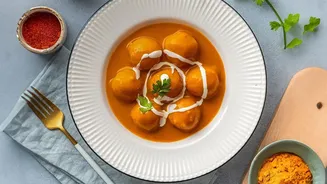
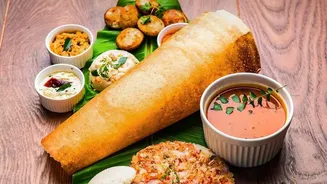
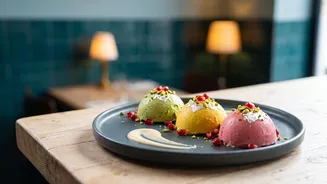
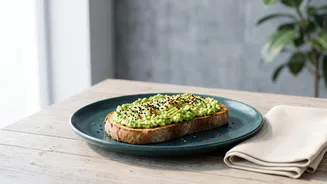
The most visible impact of social media on menus is the demand for photogenic food. Platforms like Instagram and TikTok have turned every diner into a potential food photographer and marketer. Restaurants are now designing meals with their visual appeal
at the forefront, knowing that a stunning photo can act as free advertising. This has led to an explosion of colourful, uniquely presented, and often over-the-top menu items, from rainbow-coloured bagels to elaborately decorated milkshakes. The goal is to create something so visually striking that customers feel compelled to share it. This emphasis on aesthetics has elevated food presentation from a final touch to a core component of menu development. A visually unique space with artistic plating can generate a stream of organic promotion as customers post about their experience.
From Viral Trend to Restaurant Special
Social media doesn't just showcase food; it creates demand. Viral food trends, often originating from short-form videos on TikTok, can spread like wildfire and drive massive consumer interest. Dishes like baked feta pasta and corn ribs went from home-kitchen sensations to appearing on restaurant menus across the country. Astute restaurant operators monitor these trends to anticipate customer demands. For chefs, platforms like TikTok and Instagram have become a source of inspiration and validation. Seeing the immense engagement a particular food trend receives can serve as an instant focus group, giving them the confidence to add it to their menu. This allows restaurants to tap into existing hype and attract customers eager to try the latest viral creation.
Data, Not Just Dishes
Beyond just following visual trends, savvy restaurants are using social media as a powerful data tool. By analysing likes, shares, comments, and follower demographics, chefs and owners can gain real-time insights into what their customers want. This data can inform everything from minor tweaks to a complete menu overhaul. Some restaurants are now using social media to involve their community in the creation process directly, running polls to decide on a new dessert or inviting name suggestions for a cocktail. This strategy does more than just gather ideas; it builds a sense of ownership and community among followers, making them more invested in the restaurant's success. When customers feel like they have a hand in creating something, they are far more excited to experience it.
The Influencer Effect
Food influencers have become powerful allies for culinary businesses. Collaborating with these digital tastemakers can expose a restaurant to a large, engaged audience that trusts their recommendations. An influencer partnership can generate significant buzz around a new menu item and translate directly into increased foot traffic and sales. In fact, studies have shown that a high percentage of consumers are likely to purchase products based on social media referrals, making these endorsements highly valuable. For many diners, especially millennials and Gen Z, an influencer's post or a restaurant's active and appealing Instagram account is a key factor in deciding where to eat.
The Potential Downsides
However, this new digital landscape is not without its challenges. The relentless focus on visual appeal can sometimes lead to dishes that look better than they taste. Furthermore, the pressure to replicate complex or time-consuming viral dishes during a busy service can create unrealistic expectations and put a strain on kitchen staff. There is also the risk of chasing fleeting trends, which can lead to a constantly shifting menu that lacks a core identity. Restaurants must find a balance between capitalizing on social media hype and staying true to their culinary standards and brand.