





The Old Frustrations of Makeup Shopping
For decades, buying makeup, especially online, has been a game of chance. The biggest challenge has always been colour matching. Finding the perfect shade of foundation or concealer without being able to properly test it is notoriously difficult. In-store
testers can be unhygienic and poorly lit, while online shopping removes the ability to try products at all. This often leads to a cycle of purchasing, disappointment, and returns, which is not only costly for consumers but also creates significant product waste. The problem is particularly acute for complexion products, which are considered high-risk online purchases because a shade mismatch leads to immediate dissatisfaction.
How AI Is Changing the Game
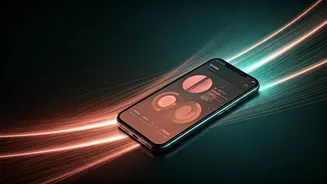
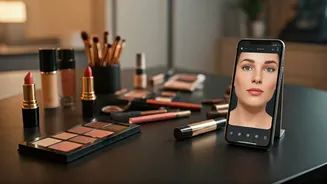
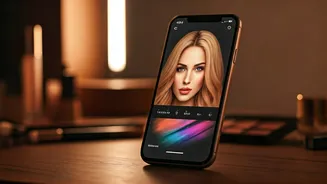
Enter Artificial Intelligence (AI) and Augmented Reality (AR). These technologies are now being integrated into the apps and websites of major beauty retailers, creating an immersive and personalised experience. Using your phone’s camera, AI-powered tools can map your facial features, analyse your precise skin tone, and then let you virtually “try on” products in real time. Companies like L'Oréal-owned ModiFace have become leaders in this space, developing technology used by brands like Nykaa, Sephora, and even Amazon to offer photo-realistic simulations of makeup. This technology isn't just a fun filter; it's a sophisticated tool designed to bridge the gap between online shopping and the in-store experience.
Finding Your Perfect Foundation Match
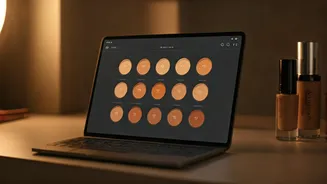
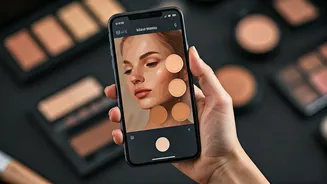
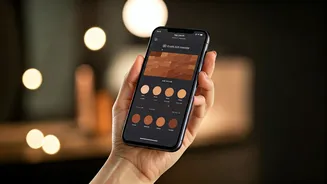
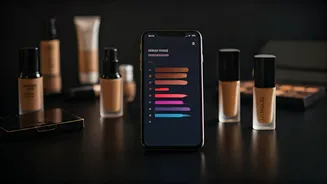
One of the most significant breakthroughs is AI-powered foundation shade matching. Instead of guessing your undertones, you can now use an app to scan your face. The AI analyses your skin under various lighting conditions to recommend the perfect shade from a brand's entire range. This technology is built to be inclusive, using advanced frameworks to ensure accurate matching across a diverse spectrum of skin tones, moving beyond outdated "light, medium, dark" logic. Retailers like Flipkart and Nykaa in India have embraced this, allowing customers to test shades from brands like L'Oréal, Maybelline, and Lakmé from their homes, boosting buyer confidence.
Virtual Try-Ons for Every Product
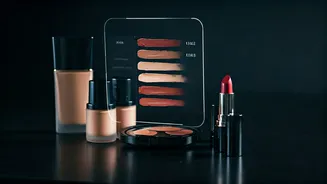
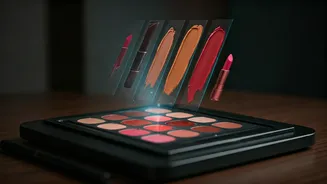
The technology extends far beyond just foundation. Want to try a bold new lipstick or see how a certain eyeshadow palette looks? Virtual try-on (VTO) lets you experiment with hundreds of shades and products in seconds, without the mess or commitment. Sephora’s Virtual Artist, powered by ModiFace, allows users to test thousands of lipsticks, eyeshadows, and even highlighters. The AR realistically simulates the product on your face, tracking your movements in real-time. Studies show this is a powerful tool for brands; some have seen customer engagement double and conversion rates increase significantly after implementing VTO features.
Beyond Makeup: Personalised Skincare
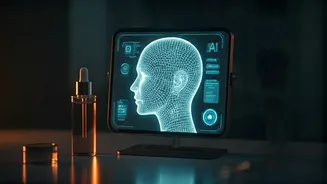
The power of AI in beauty isn't limited to cosmetics. Many apps now offer AI-driven skin diagnostics. By taking or uploading a selfie, the technology can detect and analyse skin concerns like fine lines, dark spots, dryness, and pores. Based on this analysis, it can then recommend a tailored skincare routine with specific products designed to address your unique needs. L'Oréal's Vichy SkinConsultAI, for example, uses an algorithm trained on thousands of images to give users a personalised skin aging analysis and product regimen. This turns your phone into a pocket-sized beauty consultant, offering advice that was once only available from a professional.
Is It a Perfect Solution?
While impressive, AI beauty tools are not without limitations. The accuracy of the virtual try-on can be affected by factors like the quality of your phone's camera and the lighting in your room. Furthermore, a virtual overlay can't replicate the true texture, feel, or finish of a product on your skin. There are also privacy concerns, as these tools require access to your camera and facial data. However, the technology is constantly improving, with a focus on creating ever more realistic and accurate renderings that adapt to different skin tones and lighting conditions. For most consumers, the convenience and confidence these tools provide far outweigh the current drawbacks.