







The New Sous-Chef is an Algorithm
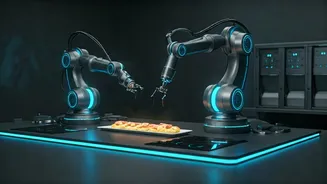
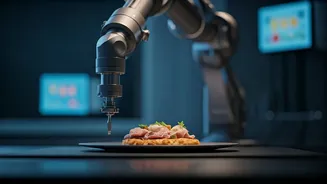
When you think of AI in a restaurant, you might picture a robot flipping burgers. The reality is often less visible but far more widespread. In many modern Indian restaurants, AI is already working behind the scenes. Its primary role is in the back-of-house,
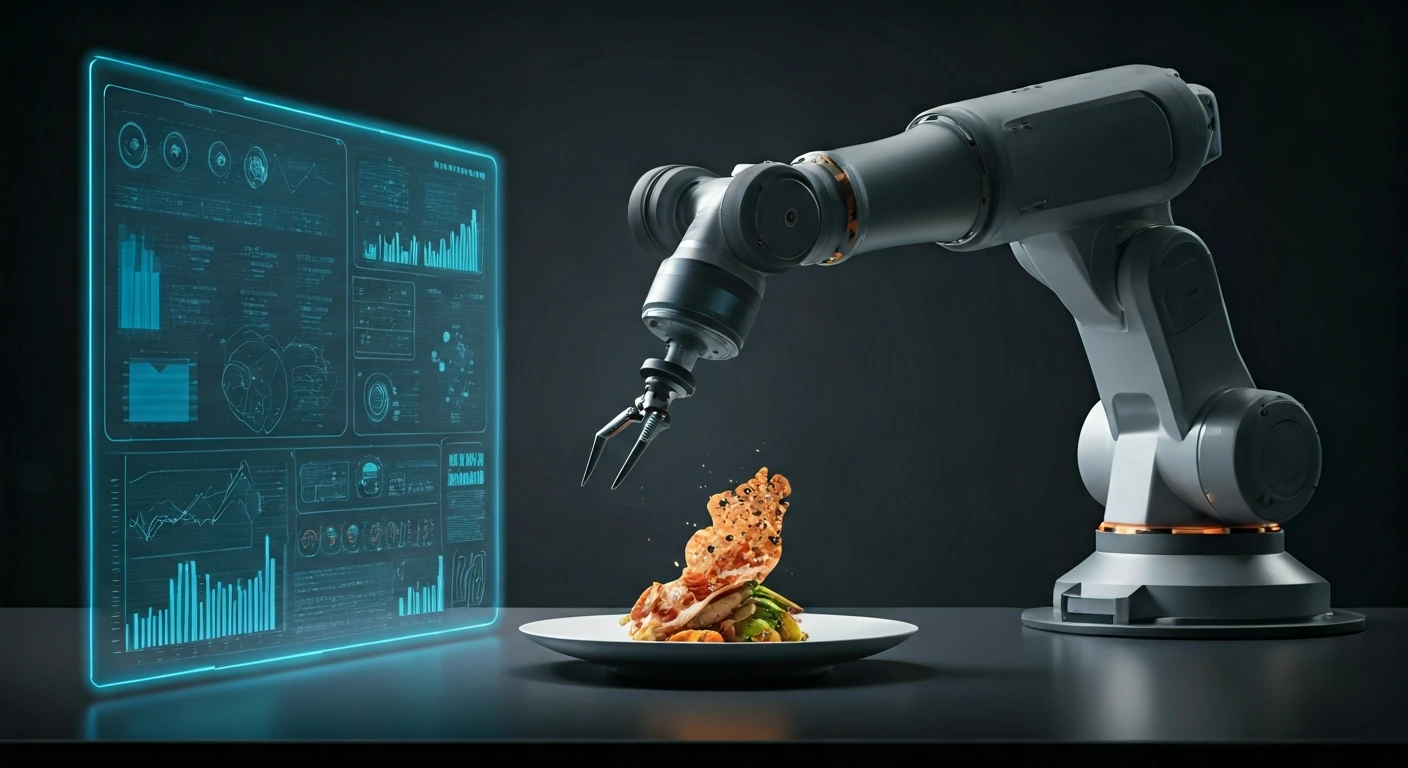
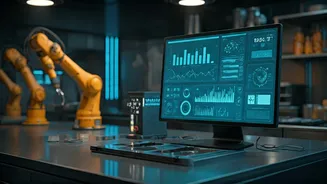
tackling complex logistical challenges that have plagued the industry for decades. AI-powered systems can analyse past sales data, weather forecasts, and local events to predict demand with incredible accuracy. This allows kitchens to order the precise amount of ingredients needed, dramatically cutting down on food waste, which has been a significant drain on profits. These smart systems automate inventory tracking in real-time, sending alerts for reordering and even monitoring expiration dates to ensure freshness. This frees up staff from tedious manual counts, allowing them to focus on cooking and service.
Beyond the Kitchen Walls
The influence of AI extends well beyond inventory management. It is transforming how restaurants interact with customers before they even walk in the door. Intelligent reservation systems use predictive analytics to optimise table turnover and reduce no-shows. For online orders, AI-driven chatbots and voice assistants can handle customer queries and take orders 24/7, ensuring no call is missed during peak hours. Some platforms, like Zomato and Swiggy, use AI to offer personalised recommendations based on your past orders, nudging you towards new dishes you might enjoy. This technology is also being used for marketing, creating targeted campaigns to attract new diners and encourage repeat visits. According to a 2026 industry report, marketing is currently the most common application of AI in restaurants.
What is 'Food Soul'?
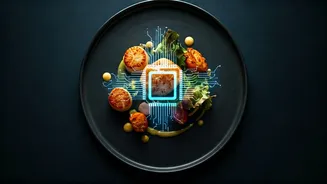
This brings us to the heart of the matter. While AI can optimise, predict, and automate, it cannot replicate what many call the "soul" of food. This isn't just about taste; it's the entire experience. It’s the warmth of a greeting, a chef’s willingness to accommodate a special request, and the passion poured into a family recipe passed down through generations. It's the human touch. The soul of a restaurant lies in its hospitality, creativity, and the connection it forges with its patrons. Over-reliance on automation risks creating a sterile, impersonal environment. A kiosk can take an order efficiently, but it can't share the story behind a dish or make a diner feel truly seen and cared for. The worry is that in the quest for ultimate efficiency, restaurants might lose the very essence that makes people fall in love with them in the first place.
A Partnership, Not a Replacement
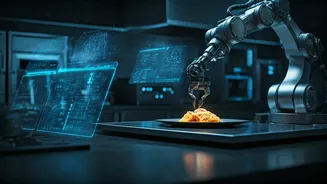
The most successful applications of AI in the food industry treat the technology as a partner to human staff, not a replacement. The goal is to automate mundane, repetitive tasks to free up employees for more meaningful work. When AI handles inventory, scheduling, and basic customer queries, chefs have more time for culinary innovation, and front-of-house staff can focus entirely on providing exceptional hospitality. Some establishments are even using AI in subtle ways to enhance ambiance, with smart systems that adjust lighting and music based on the time of day or the mood of the dining room. The best AI is often invisible, working in the background to make the human-led experience smoother, faster, and more enjoyable without taking centre stage.
The Indian Recipe for AI
In India, where the food industry is deeply intertwined with culture and personal service, this balance is especially crucial. The sector is a massive employer, and fears of job displacement due to automation are valid. However, technology is also formalising the skills of countless home cooks, with AI-powered platforms helping them manage orders, forecast demand, and reach new customers, effectively turning home kitchens into viable micro-enterprises. For the mainstream restaurant industry, the opportunity lies in using AI to streamline chaotic supply chains and reduce waste, while empowering staff to deliver the warm hospitality Indian diners expect. The future isn't necessarily about robot waiters, but about smarter systems that help a restaurant run better, so the people inside it can shine.