



The Protein and Fibre Gap
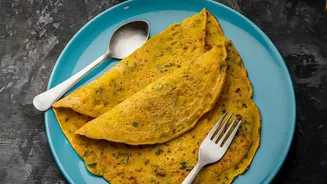
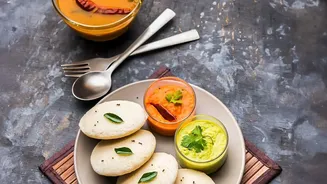
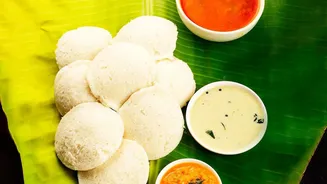
Traditional Indian breakfasts like idli and poha are often rich in carbohydrates but can be low in protein and fibre. A typical serving of idli, for example, might only contain 4 to 8 grams of protein. While the fermentation process makes these foods
great for gut health by increasing B vitamins and making nutrients more digestible, they can leave you feeling hungry again by mid-morning. This is where seed powders come in, offering a simple solution to bridge this nutritional gap without drastically changing the dishes you love.
Why Powdered Seeds Are a Superfood
Seeds are nutritional powerhouses, packed with healthy fats, plant-based protein, vitamins, and minerals. The key benefit of using them in powdered form lies in bioavailability. The tough outer shells of seeds like flax can be difficult for our bodies to break down, meaning many nutrients might pass through undigested. Grinding the seeds breaks this barrier, unlocking their full nutritional potential and making the healthy fats, fibre, and compounds like lignans much easier for your body to absorb. Just one tablespoon of a seed mix can add a significant dose of omega-3s, magnesium, zinc, and iron to your meal.
Your Guide to the Best Seeds
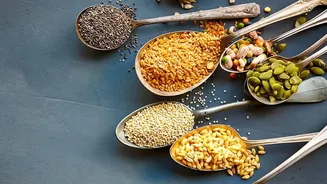
Creating a balanced seed mix is easy. While there is no single 'best' seed, a combination ensures a wider range of benefits. Consider starting with these four: Flaxseeds: A top source of omega-3 fatty acids (ALA) and lignans, which have antioxidant properties and may help reduce cholesterol. Always use them ground for best absorption. Chia Seeds: Exceptionally high in dietary fibre and a great source of calcium. They absorb liquid, which can help create a feeling of fullness. Pumpkin Seeds: These are a protein standout, providing up to 36% protein content. They are also one of the best plant-based sources of magnesium and zinc, minerals crucial for energy and immune function. Sunflower Seeds: A fantastic source of Vitamin E, a powerful antioxidant, and selenium, which supports hormone health and detoxification.
How to Prepare and Use Your Mix
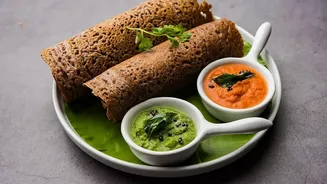
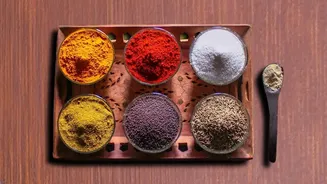
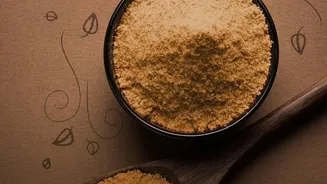
Making your own seed powder is simple and more cost-effective than buying pre-made mixes. Start with equal parts of your chosen seeds, such as flax, chia, pumpkin, and sunflower. Lightly dry roast the flax, pumpkin, and sunflower seeds in a pan on low heat for a few minutes until fragrant, then let them cool completely. Do not roast the chia seeds. Once cooled, grind everything together in a coffee grinder or mixer until you have a coarse or fine powder, depending on your preference. Store the powder in an airtight container in the refrigerator to keep the healthy oils from going rancid. To use, simply stir one or two tablespoons of the powder into your idli or dosa batter per batch before fermenting or just before cooking. The mild, nutty flavour is usually undetectable and won't disrupt the traditional taste.
More Than Just Batters
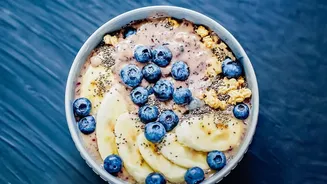
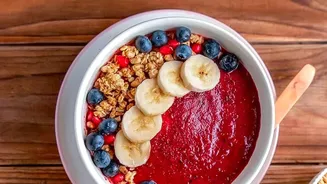
The benefits of this versatile powder extend beyond breakfast. This homemade mix can be sprinkled over a variety of dishes to boost their nutritional content. Try adding a spoonful to your morning oatmeal, stirring it into yogurt, or blending it into smoothies. You can also mix it into chapati or roti dough, or even use it as a topping for salads and soups. It’s a seamless way to ensure you and your family are getting a wider array of essential nutrients every single day with minimal effort.