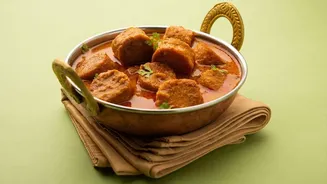

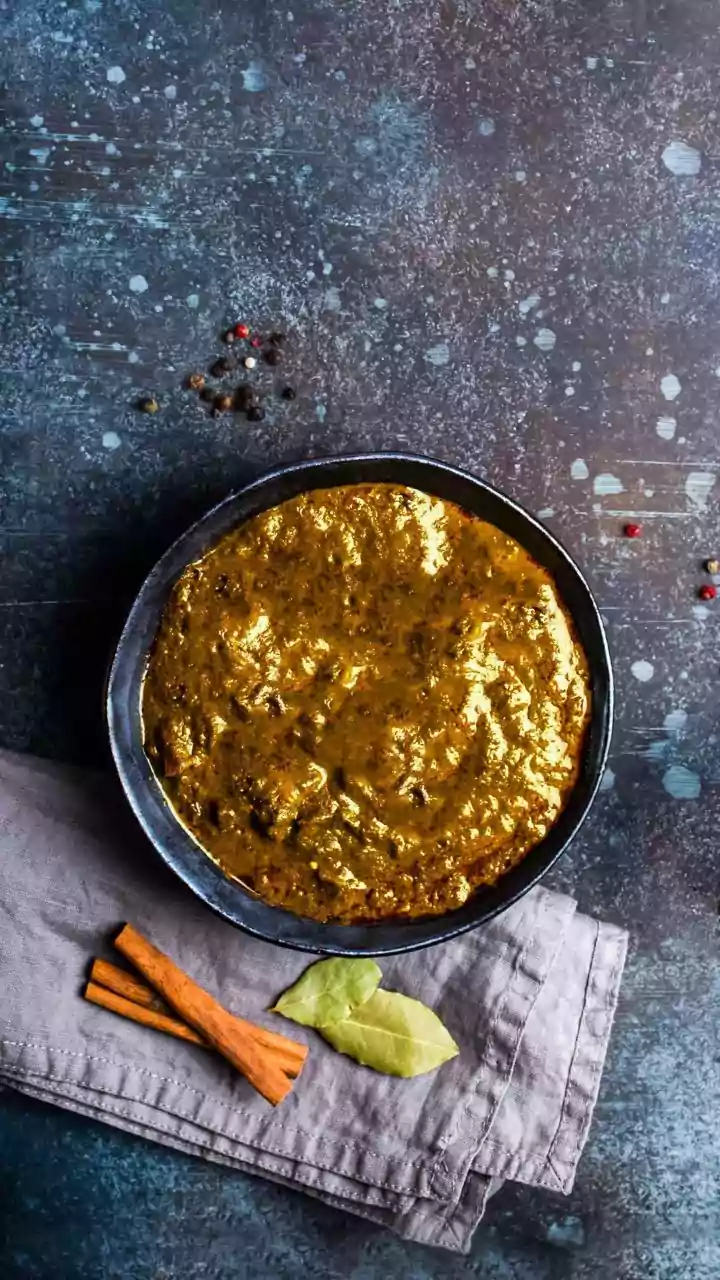






Start with a Solid Foundation
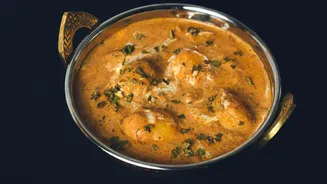
The first step to preservation begins on the stove. Thoroughly cooking your gravy base, especially the onions, is crucial. Onions should be cooked on a low heat until they are a deep golden brown, which can take up to 30 minutes. This process caramelizes
the onions and, more importantly, removes excess moisture. Bacteria and mold thrive in moist environments, so reducing the water content from the very beginning gives your gravy a much better chance of staying fresh. After adding tomatoes, continue to cook the mixture until the oil begins to separate from the masala. This separation is a visual cue that the water from the tomatoes has evaporated and the base is well-cooked.
Let It Cool Completely
One of the most common mistakes is storing gravy while it's still warm. Placing a hot or warm base into the refrigerator creates condensation inside the container. These water droplets are an invitation for bacterial growth and can significantly shorten the gravy's shelf life. Always allow your gravy to cool down to room temperature before you even think about putting it in a container. To speed this up safely, you can divide the gravy into smaller, shallower portions. This increases the surface area and allows heat to dissipate more quickly, ensuring it cools down within about two hours.
Choose the Right Container
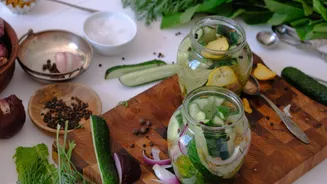
What you store your gravy in matters. While plastic containers are convenient, glass jars are a superior choice. Glass is non-porous, meaning it won't absorb the strong smells or vibrant colours of the spices. More importantly, it doesn't leach chemicals into your food. Ensure the container is not just clean, but completely dry before you fill it. Use an airtight lid to create a seal that prevents the gravy from drying out, absorbing other fridge odours, and being exposed to airborne contaminants. This simple step helps maintain both flavour and freshness.
Harness Natural Preservatives
Indian cooking traditionally uses several ingredients that double as natural preservatives. Salt is the most effective, as it draws out moisture from food cells through osmosis, creating an environment where microbes can't survive. Oil acts as a protective barrier, sealing the food from contact with oxygen, which inhibits the growth of aerobic bacteria and prevents oxidation. Acidity is another key factor. Ingredients like tomatoes, lemon juice, or vinegar lower the pH of the gravy, making it inhospitable to many types of spoilage-causing bacteria. When preparing your base, ensuring it's well-seasoned with salt and has a good balance of acidity from tomatoes will naturally help it last longer.
Master Your Freezer Strategy
For long-term storage, the freezer is your best friend, capable of preserving your gravy base for up to three months. The key to effective freezing is portioning. Instead of freezing a large block, which is inconvenient to thaw, portion the cooled gravy into smaller amounts. An ice cube tray is perfect for this. Once the cubes are frozen solid, transfer them to a zip-lock bag, squeezing out all the excess air before sealing. This method allows you to grab just enough for a single meal, preventing waste and avoiding the quality degradation that comes from repeatedly thawing and refreezing.
Know the Signs of Spoilage
Even with the best storage methods, it's vital to know when a gravy base is no longer safe to eat. Your senses are your best guide. A sour, rotten, or 'off' smell is a clear red flag. Visually inspect the gravy for any signs of mold, which can appear as white, green, or black fuzzy spots. A change in colour, such as turning pale or greyish, or a slimy texture also indicates spoilage. If your gravy tastes unusually sour or bitter after cooking, it’s best to discard it. When in doubt, always err on the side of caution and throw it out.