


The High Cost of Going Electric
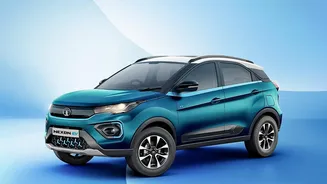
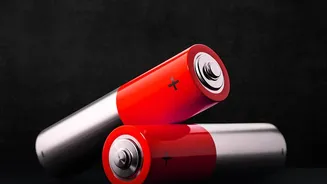
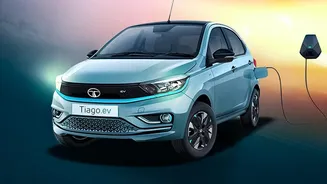
For years, the biggest hurdle to mass electric vehicle adoption in India has been the sticker price. The main culprit? The battery pack. Most EVs today run on lithium-ion batteries, which account for a significant portion of the vehicle's total cost.
India has limited lithium resources, making the country heavily dependent on imports, primarily from China. This reliance not only creates supply chain vulnerabilities but also exposes the market to geopolitical tensions and price fluctuations, keeping the cost of EVs stubbornly high for the average consumer.
Enter Sodium-Ion: The Salt-Powered Solution
Scientists and engineers are now championing a compelling alternative: the sodium-ion battery. As the name suggests, this technology uses sodium ions as its charge carriers. The key advantage is simple and profound: sodium is the sixth most abundant element on Earth and can be sourced from common salt. This makes it vastly cheaper and more accessible than lithium. Beyond cost, sodium-ion batteries offer several other benefits. They are known for better thermal stability, reducing the risk of fire incidents that have been a concern with some lithium-ion chemistries. They also perform better in extreme temperatures, a crucial factor for the diverse Indian climate.
The 'Make in India' Energy Revolution
This technological shift aligns perfectly with India's 'Atmanirbhar Bharat' mission. Several Indian companies are at the forefront of this revolution. Reliance New Energy has made significant investments, acquiring UK-based sodium-ion pioneer Faradion with plans to build a giga-factory in Jamnagar. This factory will be part of an integrated new energy ecosystem aimed at putting India at the forefront of battery technology. Similarly, Pune-based software and engineering firm KPIT Technologies has developed its own sodium-ion battery technology, specifically targeting two- and three-wheelers. In early 2025, KPIT partnered with Trentar Energy Solutions to commercialize this technology, with plans for a 3 GWh manufacturing plant. These initiatives are set to reduce India's import dependency and bolster its energy security.
How Much Cheaper Will Scooters Get?
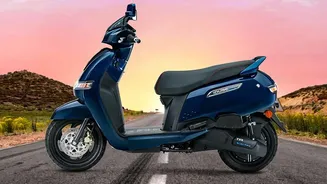
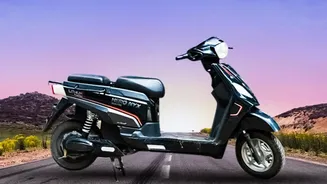
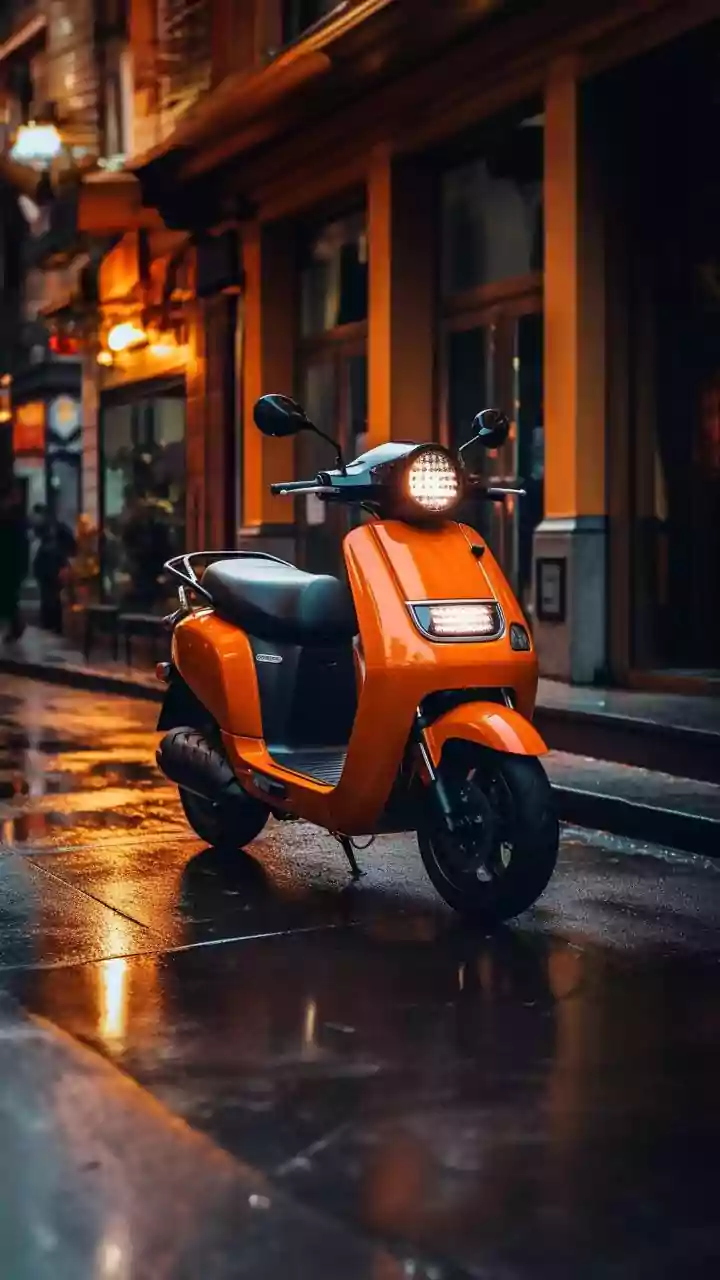
The core promise of sodium-ion technology is a significant reduction in cost. Experts estimate that using sodium-ion batteries could lower the price of electric two-wheelers by a considerable margin. The raw materials for sodium-ion cells are substantially cheaper, and they can use aluminum current collectors instead of more expensive copper, further driving down costs. While the manufacturing supply chain is still maturing compared to the decades-old lithium-ion industry, the potential for savings is undeniable. This could finally bring electric scooters within reach for a much broader segment of the Indian population, accelerating the country's transition to green mobility.
Hurdles on the Road Ahead
Despite the excitement, it's important to set realistic expectations. The primary challenge for current sodium-ion batteries is their lower energy density compared to their lithium-ion counterparts. In practical terms, this means that for a battery of the same size and weight, a sodium-ion-powered scooter might offer a shorter range. However, for urban commuting and last-mile delivery, where daily travel distances are predictable, this trade-off for a lower upfront cost is highly attractive. Companies are actively working to improve energy density, and timelines suggest that we could see the first sodium-ion powered electric two-wheelers on Indian roads by early 2026, with mass adoption to follow as production scales up.