




The Surprising Australian Study
In a revealing secondary analysis of the 2011-12 National Health and Physical Activity Survey, researchers examined the diets of 9,118 Australian adults. They assigned a “bitter score” to each person's diet and categorized them. The results were striking:
individuals in the 'most bitter' diet group appeared to have healthier habits. They consumed significantly more vegetables, dietary fibre, and water while drinking less juice and sugary soft drinks. Their overall diet quality, when measured against Australian dietary guidelines, was also higher. At face value, it suggests a powerful connection: the more bitter foods people eat, the healthier their overall diet seems to be.
Why We're Wired to Dislike Bitter
The aversion to bitterness isn’t just picky eating; it's a deeply ingrained evolutionary trait. For our ancestors, bitterness was nature’s warning sign for potential toxins in plants. This is why we are often naturally drawn to sweet tastes, which signal energy, and instinctively recoil from bitterness. This ancient survival mechanism is governed by our genes. Humans have around 25 different bitter taste receptor genes, with the TAS2R38 gene being a key player in how intensely we perceive bitterness. This genetic lottery means some people are “supertasters” who find vegetables like broccoli or brussels sprouts overwhelmingly bitter, while “non-tasters” barely notice it. Your personal experience with bitter foods is, quite literally, written in your DNA.
The 'No Health Guarantee' Clause
This genetic variability is the first reason we can’t declare bitter foods a guaranteed path to health. What is palatable for one person may be genuinely unpleasant for another, making a universal recommendation difficult. Furthermore, the Australian study showed a correlation, not causation. It's possible that people who eat more bitter vegetables are simply more health-conscious overall—they might also exercise more, sleep better, and avoid processed foods. Their bitter diet could be a symptom of a healthy lifestyle, not the sole cause of it. While many bitter compounds have demonstrated potential health benefits like reducing inflammation and acting as antioxidants, these benefits don't translate to a simple guarantee of good health from eating bitter foods alone.
The Case for Indian Bitters
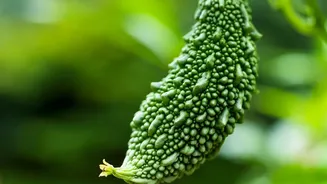
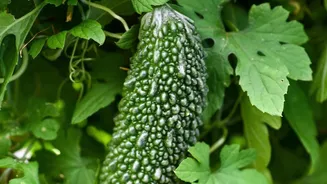
Despite the lack of guarantees, there's still a strong case for embracing bitterness, especially within the context of Indian cuisine. Traditional systems like Ayurveda have long celebrated the role of bitter tastes in promoting digestion and balance. Many staples in Indian kitchens are packed with these compounds. Turmeric, fenugreek (methi), bitter gourd (karela), and neem are all prized for their distinct flavours and roles in traditional medicine. The bitterness in these foods often comes from polyphenols, which are powerful plant compounds that act as antioxidants and are considered 'rocket fuel' for our gut microbes, according to researchers like Professor Tim Spector. These compounds are what give many plants their vibrant colours and sharp, interesting tastes.
Learning to Love the Bite
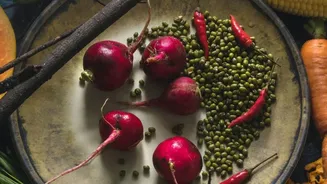
If you're not a natural fan of bitterness, experts suggest it's an acquired taste you can cultivate. Instead of forcing yourself to eat a large plate of something you dislike, start small. Incorporating bitter greens like arugula or methi leaves into a mixed salad is a great first step. Cooking methods can also transform the flavour; roasting vegetables often brings out their sweetness and mellows the bitterness. Pairing bitter foods with healthy fats, acids (like lemon juice), or a touch of salt can also help balance the taste profile, making it more enjoyable. The goal isn't to punish your palate but to gradually expand it, re-training your brain to appreciate a wider spectrum of flavours beyond just sweet and salty.