





Cracking the Code: Quick E-Visas for Indians
The first step to your Omani adventure is securing a visa, and the good news is that it's a straightforward online process. Indian citizens can apply for an e-visa through the official Royal Oman Police (ROP) portal. The most popular options for tourists
are the 10-day visa, which costs approximately 5 Omani Rials (OMR), and the 30-day visa for around 20 OMR. The application requires a valid passport with at least six months of validity, a digital photograph, and proof of your flight and hotel bookings. Processing is typically fast, often taking just one to three working days, meaning you can plan a spontaneous trip without long embassy queues. Additionally, Indian passport holders who have a valid visa from the USA, UK, Schengen Area, Canada, Australia, or Japan may be eligible for visa-free entry for up to 14 days, offering even more flexibility.
Your Blueprint for a Budget Omani Adventure
Oman has a reputation for being expensive, but backpacking on a budget is entirely possible with careful planning. A realistic daily budget for a backpacker can range from 25 to 40 OMR. This would cover a dorm bed, local meals, public transport, and entry fees for some attractions. To break it down, expect to spend around 8-15 OMR for a hostel bed or budget guesthouse room. Food can be very affordable if you stick to local eateries, with daily costs ranging from 5-10 OMR. Transport costs will vary, but a short bus trip within Muscat might only be 300-500 Baisa (0.3-0.5 OMR). This brings a potential daily spend to a manageable level, far below the costs associated with luxury resorts.
Getting Around Without Breaking the Bank
While renting a car offers the most freedom, it's not the most budget-friendly option for a solo traveller. For intercity travel, Oman’s national bus company, Mwasalat, is your best friend. It offers comfortable, air-conditioned coaches connecting major cities like Muscat, Nizwa, and Sur at very low prices. An intercity journey will likely cost only a few Rials. Within Muscat, Mwasalat also runs a network of local buses. A single trip is very cheap, though routes may not always reach your final destination directly. Ride-hailing apps like OTaxi and Yango operate in major cities and are cheaper than hailing a standard taxi, which often requires negotiation. For the truly adventurous, hitchhiking is also a possibility, though less common.
Accommodation: Hostels and Wild Camping
Your biggest potential expense, accommodation, can be managed with smart choices. In cities like Muscat and Nizwa, a small but growing number of hostels and budget guesthouses are available. A bed in a dormitory can cost as little as 10-15 OMR per night. However, the ultimate budget-saving tip in Oman is camping. Wild camping is legal and widely practised on most public lands, including many beaches, wadi banks, and mountain plateaus. This allows you to wake up in some of the country's most spectacular locations for free. Many backpackers bring a lightweight tent or buy a basic one upon arrival in Muscat to significantly cut down their accommodation costs.
Eating Like a Local on a Shoestring
To eat well and cheaply in Oman, avoid tourist-centric restaurants and head to the small, bustling coffee shops and local eateries frequented by residents. Here, you can find delicious and filling meals for just a few Rials. A shawarma wrap might cost less than 1 OMR, while a hearty plate of chicken or fish biryani can be found for around 1.5 to 3 OMR. These simple restaurants, often run by members of the Indian subcontinent diaspora, offer incredible value and authentic flavours. For snacks and self-catering, especially if you're camping, supermarkets like Lulu Hypermarket offer everything you need at local prices.
Must-See Sights on a Backpacker's Budget
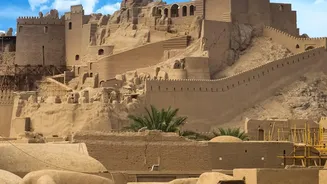
The best part about backpacking in Oman is that many of its most breathtaking attractions are either free or very cheap to visit. Exploring the maze-like alleys of Mutrah Souq in Muscat costs nothing but your time. The country's famous wadis—natural pools and riverbeds surrounded by canyons—are almost all free to enter and swim in, including Wadi Shab and Wadi Bani Khalid. You can admire the stunning architecture of the Sultan Qaboos Grand Mosque and Al Alam Palace from the outside for free. Many public beaches, like Qurum Beach, are perfect for a relaxing evening. While major forts like those in Nizwa and Bahla have a small entrance fee (typically 2-5 OMR), the incredible views and history are well worth the modest price.