

The Myth of the Air-Purifying Plant
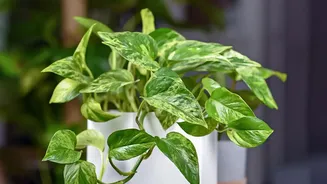
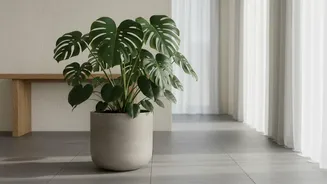
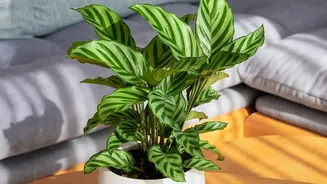
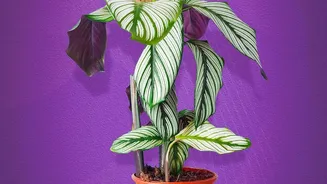
The popular belief that houseplants clean the air stems largely from a 1989 NASA study. This research showed that, in a small, sealed chamber, certain plants could remove volatile organic compounds (VOCs) like benzene and formaldehyde from the air. However,
our homes are not sealed chambers. They have constant air exchange from open windows, doors, and ventilation systems. Subsequent research has clarified the reality: to replicate NASA's results in a typical room, you would need an impractically large number of plants—anywhere from 10 to 1,000 per square metre of floor space. While plants do offer psychological benefits and a minor air-cleaning effect, they are not a substitute for genuine air quality control measures.
First Priority: Let Fresh Air In
The single most effective way to improve indoor air quality is through ventilation. This simple act of bringing in outdoor air dilutes and removes pollutants that have built up inside. Make it a habit to open windows and doors for at least a few minutes each day, even in cooler weather, to create cross-ventilation. In areas like kitchens and bathrooms, always use exhaust fans to remove moisture and contaminants at the source. Most home heating and cooling systems don't mechanically bring in fresh air, so conscious ventilation is key. This constant replacement of stale indoor air with fresh outdoor air does far more to reduce pollutant concentrations than a handful of plants ever could.
Control Pollutants at the Source
A proactive approach is to minimise the number of pollutants released into your home in the first place. Many common household items emit Volatile Organic Compounds (VOCs), which are chemicals that easily become gases at room temperature. These can come from paints, cleaning supplies, air fresheners, new furniture, and even cooking. To reduce your exposure, opt for low-VOC or zero-VOC paints and building materials when renovating. Choose milder, fragrance-free cleaning products. Be mindful that even products labelled "natural" can release VOCs. Avoid indoor smoking, as it releases thousands of pollutants. By controlling these sources, you reduce the overall burden on your indoor environment.
The Power of Mechanical Filtration
For a more direct approach to cleaning the air, consider using an air purifier with a High-Efficiency Particulate Air (HEPA) filter. These devices work by forcing air through a fine mesh that traps tiny airborne particles. A true HEPA filter can capture at least 99.97% of particles like dust, pollen, pet dander, and mould spores. This makes them particularly effective for households with allergy sufferers or those living in areas with high outdoor pollution. While ventilation exchanges air, a purifier actively cleans the air that is circulating within a room, offering a powerful layer of protection against invisible contaminants that regular cleaning might miss.
Don't Forget Dust and Humidity
Finally, maintaining a clean and dry home is fundamental to good air quality. Regular dusting with a damp cloth and vacuuming with a machine that has a HEPA filter can significantly reduce allergens like dust mites and pet dander. It's also crucial to control humidity. Ideally, relative humidity levels should be kept below 60 percent to prevent the growth of mould and mildew, which release spores into the air. Use dehumidifiers in damp areas if necessary, and ensure any leaks are repaired promptly to stop moisture from building up. This foundation of cleanliness supports all other efforts to keep the air you breathe healthy.