



The Weight of a Debut Cap
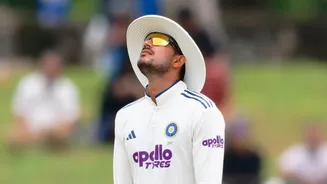
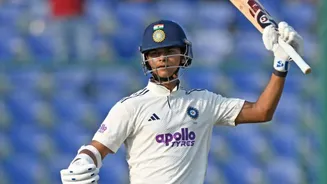
Saransh Jain’s debut was a story of perseverance. At 33, he became India's oldest Test debutant in the 21st century, a reward for years of relentless grind in domestic cricket. He wasn't a teenage prodigy or an IPL sensation fast-tracked into the side;
he was a seasoned professional who had earned his place through sheer volume of runs and wickets in the Ranji and Duleep Trophy. This context is crucial. He was selected as an off-spinning all-rounder, expected to provide control with the ball and add depth to the lower-order batting, especially in Sri Lankan conditions. He came in for Kuldeep Yadav, who was out with a last-minute infection, adding another layer of expectation. This wasn't just a debut; it was the validation of a career spent on the domestic circuit, making the scrutiny on his performance even more intense.
A Struggle with the Bat
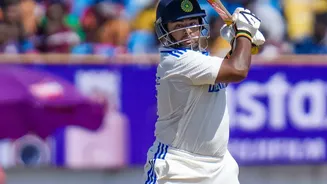
Numbers often tell a harsh story, and for a debutant, they are the first metric of judgment. Unfortunately for Jain, his batting contributions were minimal. In the first innings, with India posting a mammoth total of over 500, he had the perfect platform to ease into Test cricket. However, a nervy start saw him dismissed for a low score. In the second innings, when the match was drawn, he once again failed to make an impact. While individual scores don't always reflect a player's quality, the manner of dismissals can be telling. Reports suggested he looked tentative, struggling to adapt to the rhythm of Test-level bowling. For a player lauded for his all-round capabilities, failing to contribute with the bat in both innings on a placid Colombo pitch was undoubtedly a disappointment and will be a major point of discussion for the selectors.
Toil with the Ball
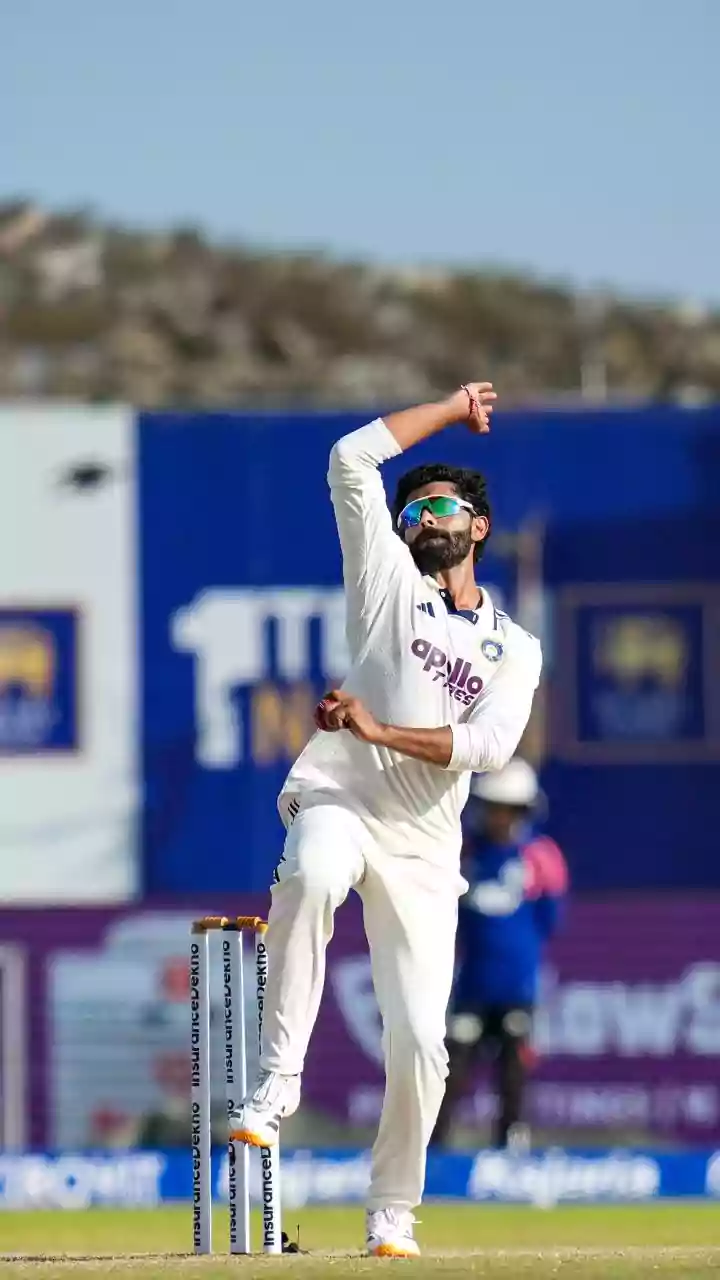
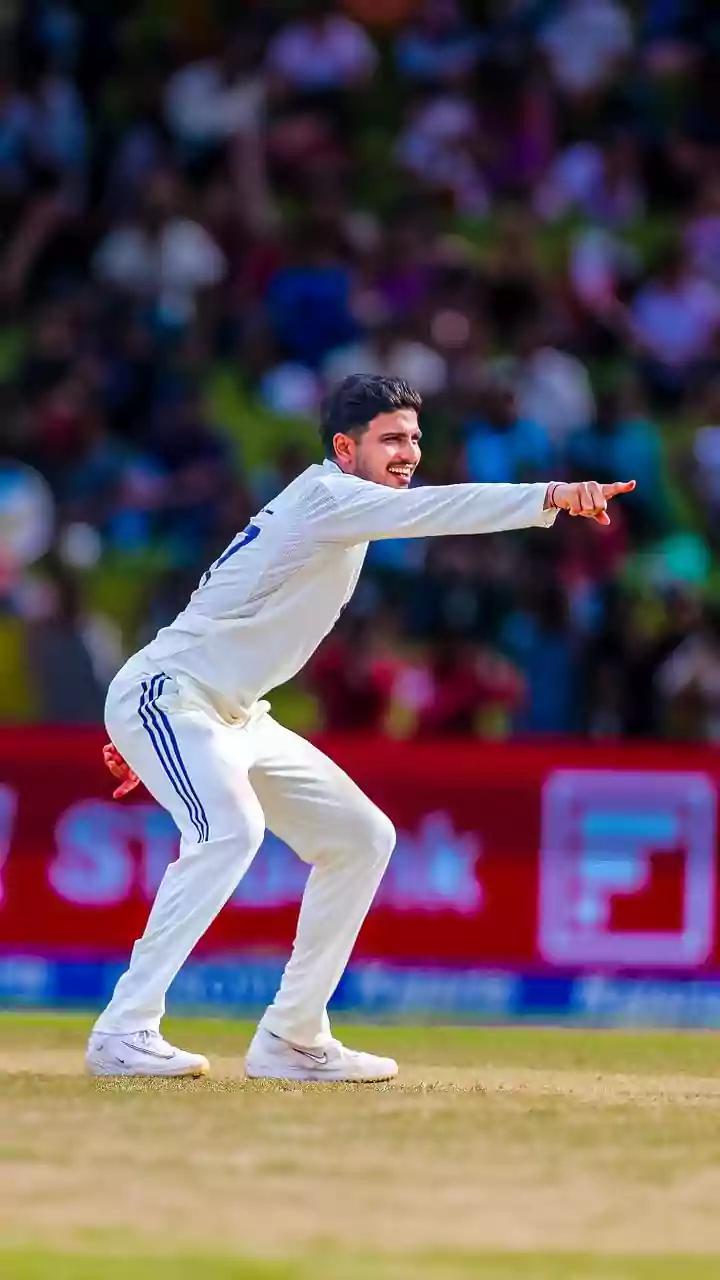
Jain’s primary role was to be a containing spinner who could chip in with wickets. In a marathon bowling effort where India’s bowlers were made to toil for 154 overs in Sri Lanka's second innings, his final figures read 1 wicket for 98 runs from 37 overs. For much of his spell, he struggled to find his rhythm, going wicketless for his first 18 overs and looking less threatening than his fellow spinners. However, he did eventually get a breakthrough, dismissing Niroshan Dickwella. He was part of a bowling unit that, despite enforcing the follow-on, couldn't secure a win as Sri Lanka's Sonal Dinusha played a match-saving innings of 133 not out. While Jain bowled with discipline in phases, he lacked the penetration needed to run through a determined batting lineup, raising questions about his effectiveness as a strike bowler at the highest level.
The Selectors’ Dilemma: Patience vs. Pressure
The Indian selection committee, now led by Ajit Agarkar, faces a classic conundrum. Do they show faith in a player who has an immense body of domestic work behind him, or do they react to a single poor performance? History is filled with examples of great players who had underwhelming debuts, including modern greats like Virat Kohli. The argument for retaining Jain is that one match, especially a debut, is not a fair sample size to judge a player's temperament or skill. Selectors often look for more than just the scorecard—they look at attitude, work ethic, and how a player fits into the team's long-term plans. Dropping him after one game would send a harsh message to players toiling in domestic cricket, suggesting that the system prioritizes immediate results over long-term investment. The pressure of the World Test Championship, where every match counts, often forces a more ruthless approach, but consistency in selection is what builds a strong team.
The Verdict: One More Chance Is Deserved
Dropping Saransh Jain after a single Test would be a knee-jerk reaction. While his debut was far from ideal, the circumstances of his selection and the message it sends are significant. He was chosen based on a long and consistent first-class record, a policy the BCCI has been trying to reinforce. To discard that principle after one tough game would be counterproductive. The team won the series 1-0, which provides a cushion to experiment and back players. Jain should be given the next Test to prove that his debut was an aberration, not the norm. He has the experience and the skills, as his domestic career attests. Now he needs the backing of his team and selectors to show he can translate that to the international stage. A single failure should not erase years of hard-earned success.