




The New Urban Plate
Life in the city moves fast, and our eating habits have adapted. Kitchens that were once centres of slow-cooked meals are now often final assembly points for food prepared elsewhere. The rise of food delivery apps and the demand for ready-to-eat meals have placed
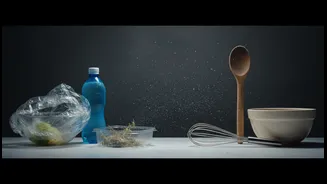
an unprecedented amount of single-use plastic into our daily lives. From the plastic containers holding our curries to the film sealing our salads, this reliance on convenience has led to a surge in plastic waste and, as researchers are now discovering, a more direct pathway for tiny plastic particles to enter our food. This shift isn't just about what we eat, but what we eat out of, turning the modern kitchen into a key interface for plastic exposure.
Your Kitchen’s Plastic Hotspots
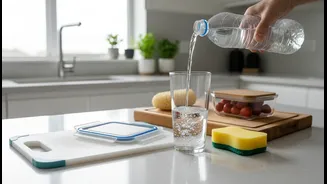
Microplastics don't just come from takeaway containers. Research shows our own kitchen tools can be significant sources. Studies have revealed that plastic chopping boards can shed millions of microplastic particles into our food each year. The simple act of dicing vegetables on a polypropylene or polyethylene board creates friction that releases these tiny fragments directly onto our ingredients. Similarly, microwaving food in plastic containers, even those labelled 'microwave-safe', can release millions of microplastics and billions of even smaller nanoplastics into a meal. Other culprits include non-stick pans with scratched surfaces, which can release thousands of particles, and even plastic kitchen sponges that degrade with use.
From Kitchenware to Your Body
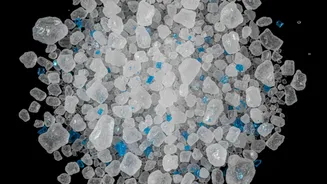
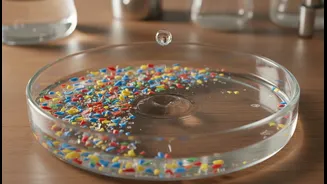
Once released, these particles easily mix with our food. We then ingest them along with our meal. Scientists have found microplastics in a wide array of foods, from seafood and salt to fruits and vegetables, which can absorb them through their roots. Once consumed, the journey doesn't necessarily end. While many larger particles may pass through our system, smaller ones, known as nanoplastics, can potentially cross the intestinal wall and enter the bloodstream. From there, they can be transported to various organs. Microplastics have been detected throughout the human body, including in blood, lungs, and even brain tissue, raising concerns about long-term accumulation and impact.
The Unanswered Health Questions
The critical question is: what does this mean for our health? The science is still evolving, but preliminary findings are cause for attention. Laboratory and animal studies have linked high levels of microplastic exposure to inflammation, cell damage, and hormonal disruption. Some recent human studies have also found concerning correlations; one noted that patients with microplastics detected in arterial plaque had a higher risk of heart attack, stroke, or death. However, researchers are careful to point out that these findings show an association, not a direct cause. The long-term effects of the low-level exposure most people experience are still largely unknown, and a key area of ongoing scientific investigation.
Small Steps to Reduce Exposure
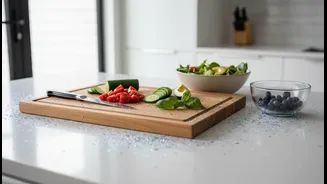
While eliminating microplastics entirely is impossible, you can take simple steps to significantly reduce your exposure in the kitchen. Opt for glass or ceramic containers for storing and, especially, for heating food in the microwave. Consider swapping out your worn plastic chopping board for a wooden or bamboo alternative. When possible, choose fresh, unpackaged foods over heavily processed and packaged options. Drinking tap water instead of bottled water can also dramatically lower your intake, as studies show bottled water contains significantly higher levels of microplastics. These small, conscious choices can collectively lessen the plastic load from your diet without requiring a complete lifestyle overhaul.