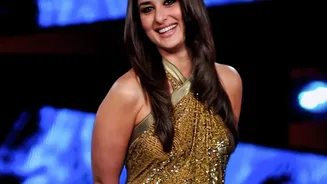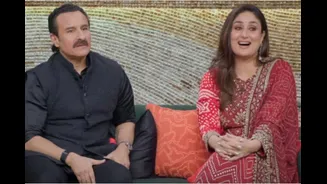









She’s not just a Bollywood superstar; she’s the bridge between two of India’s most iconic dynasties. Now, Kareena Kapoor is giving us a delicious glimpse into how the Kapoor and Pataudi legacies come together on a single dinner table.
Food, Family, and Film Royalty
In the world of Indian
cinema, few names carry as much weight as Kapoor and Pataudi. One represents generations of groundbreaking actors and filmmakers with a loud, food-loving Punjabi spirit. The other evokes the quiet dignity of royal lineage, with tastes refined over centuries of aristocratic life. At the centre of this cultural confluence stands Kareena Kapoor Khan, a formidable star in her own right, but also the custodian of these two powerful legacies. And as she has recently shared, nowhere is this blend more apparent than in her family’s kitchen, where two distinct culinary traditions tell the story of her life.
The Kapoor Clan’s Comfort Dish: Paya
When the Kapoor clan gets together, it’s an event. The family is famous for its boisterous, laughter-filled gatherings where food takes centre stage. Kareena has revealed that the one dish that truly unites them is Paya. A rich, slow-cooked curry made from goat or lamb trotters, Paya is a legendary dish in Punjabi and Mughlai cuisine. It’s a meal that demands patience, often simmered for hours until the meat is meltingly tender and the broth becomes a gelatinous, flavour-packed elixir. Describing it as a gravy the whole family 'trips on', Kareena paints a picture of a dish that’s more than just food; it’s the centerpiece of their shared identity. It’s hearty, indulgent, and designed for sharing—much like the Kapoors themselves. This tradition was so important that her grandmother would insist she feed the nutritious broth to her son, Taimur, continuing the legacy.
A Taste of Pataudi Heritage: Jungli Maas
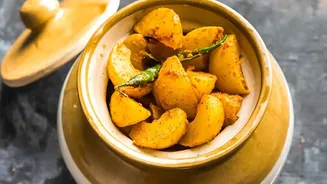
On the other side of her culinary world is a dish steeped in royal history: Jungli Maas. This fiery mutton curry is a classic from Rajasthan and a staple in the Pataudi household. The name, which translates to 'jungle meat', harks back to its origins as a dish prepared by kings during royal hunting expeditions. With limited ingredients available in the wild, chefs created a simple yet potent curry using primarily ghee, salt, and a generous amount of whole red chillies, which helped preserve the meat and mask the gamey flavour. The result is a rustic, intensely aromatic dish that speaks of its aristocratic past. While the Kapoors bond over their communal Paya, the Pataudis favour a more refined, albeit spicy, taste of their lineage. Kareena has humorously noted the contrast, joking that while her family enjoys rich curries, the Pataudis are often content with healthy vegetables like 'lauki'.
A Kitchen That Bridges Two Worlds
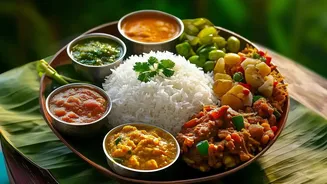
For Kareena, navigating these two culinary worlds is a part of her daily life. Her kitchen is a testament to the beautiful merger of two distinct cultures. It’s where the robust, earthy flavours of Punjab meet the rustic, royal tastes of Rajasthan. This blend isn't just about alternating menus; it’s about creating a new, unified heritage for her children, Taimur and Jeh. They are the inheritors of both the Paya and the Jungli Maas traditions, growing up with a palate that appreciates the boisterous Kapoor feasts and the elegant Pataudi dinners. In many ways, the food on their table is a metaphor for their identity—a seamless mix of two grand Indian stories. Kareena has embraced this role, speaking openly about her love for simple, home-cooked food while also indulging in the celebratory dishes that define her families.