






Introducing the Sant Ravidas Express
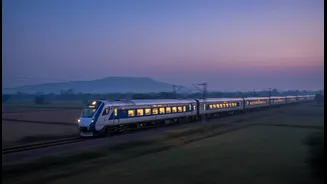
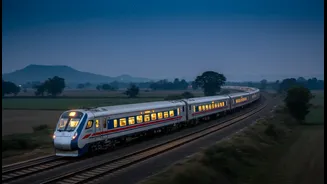
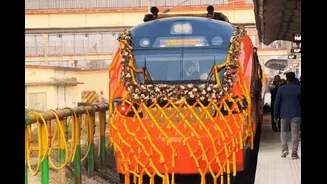
On July 17, Prime Minister Narendra Modi is scheduled to virtually flag off the Sant Ravidas Express, a new tri-weekly sleeper service connecting Varanasi with Chheharta, near Amritsar. This fully air-conditioned train is designed to significantly enhance
connectivity between Uttar Pradesh and Punjab, catering to pilgrims, tourists, and business travellers. The service aims to reduce travel time and provide a more comfortable overnight journey, linking the holy city of Varanasi, home to the Kashi Vishwanath Temple, with Amritsar, the site of the sacred Golden Temple. The train will run three times a week in each direction, making weekend pilgrimages and business trips more convenient than ever.
What 'Premium Overnight' Really Means
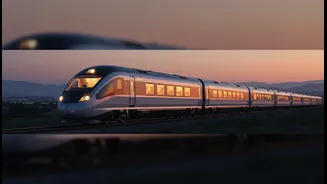
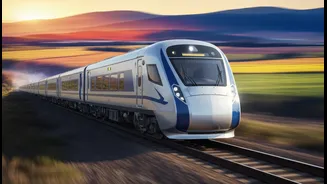
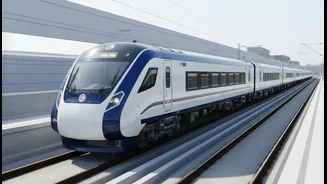
The Sant Ravidas Express is reported to be the second Vande Bharat Sleeper Express in the country, a platform that represents a major leap forward from conventional overnight trains. Passengers can expect a host of modern amenities, including ergonomically designed berths for better comfort, bio-vacuum toilets, and advanced passenger information systems. These trains are built for speed and comfort, with features like automatic doors, enhanced safety systems including CCTV surveillance, and superior suspension for a smoother ride. The Vande Bharat Sleeper is part of a new generation of self-propelled trainsets manufactured in India, designed to operate at higher speeds and significantly reduce journey times on long-distance routes of 800 km or more.
A Blueprint for Future Rail Travel
The launch of this service is not an isolated event but a clear indicator of Indian Railways' broader strategy. The focus is on developing a network of high-quality, premium overnight trains to compete with air and road travel on high-demand corridors. Following the introduction of the first Vande Bharat Sleeper on the Howrah-Kamakhya route, the Railways are reportedly planning to roll out more such services on key routes like Delhi-Mumbai and Delhi-Chennai. This strategy involves a two-pronged approach: introducing premium services like the Vande Bharat Sleepers for discerning travellers and simultaneously upgrading infrastructure to support higher speeds and better safety, such as the wider deployment of the Kavach anti-collision system.
Connecting Culture and Commerce
The choice of the Varanasi-Amritsar corridor is highly strategic. Both cities are major centres for religious tourism, attracting millions of visitors annually. This new service directly caters to the needs of pilgrims, especially followers of Guru Ravidas visiting his birthplace in Varanasi. By providing a direct, faster, and more comfortable link, the train is expected to boost religious tourism and strengthen cultural ties between Punjab and Uttar Pradesh. The route also connects major commercial and industrial hubs along the way, including Lucknow, Bareilly, Moradabad, and Ludhiana, which will benefit business travellers and migrant workers who frequently travel this corridor.
The Bigger Picture for North India
This new train is a tangible piece of a much larger infrastructure puzzle unfolding across North India. The government is pushing forward with multiple projects aimed at transforming regional connectivity. These include the development of high-speed rail corridors, such as the proposed Delhi-Varanasi bullet train, and the expansion of the Namo Bharat RRTS network to connect Delhi with satellite cities at speeds of 160 kmph. Upgrades to signaling systems and tracks are also underway to allow existing trains to run faster and safer. The Sant Ravidas Express, therefore, should be seen as part of an integrated vision to create a faster, more efficient, and modern transportation network, fundamentally changing how people travel between cities in the northern states.