








The ₹500 Gateway to Japan
In a world of rising travel costs, Japan has rolled out the welcome mat for Indian passport holders in a remarkable way. While Japan recently increased its visa fees globally, it has maintained a special arrangement for India. The result is that Indian citizens
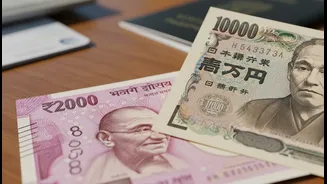
continue to pay just ₹500 for a tourist visa. What makes this deal even sweeter is that the fee applies to both single-entry and multiple-entry visas, offering incredible value and flexibility. This stands in stark contrast to the new fees for other foreign nationals applying from India, which can be as high as ₹8,650 for a single entry. This concessional fee solidifies Japan’s position as one of the most accessible destinations for Indians to get a visa for, removing a significant financial barrier right at the start of the planning process.
Decoding the Visa Process
The affordability of the visa is matched by a streamlined application process. Indian citizens must submit their applications through authorised VFS Global centres, which handle the administrative side of the process across the country. Since April 2024, Japan has also implemented an eVISA system for travellers from India. This doesn't mean you apply directly online; rather, you submit your application at a VFS centre as usual and, upon approval, receive an electronic visa instead of a sticker in your passport. The key requirements typically include a completed application form, valid passport, confirmed return flight tickets, a detailed day-by-day itinerary, and proof of sufficient funds like recent bank statements and income tax returns. The embassy advises applying up to three months before your planned travel date to ensure a smooth process.
Beyond the Visa: Budgeting for the Dream
The low visa fee is a fantastic start, but what about the trip itself? Japan has a long-standing reputation for being expensive, but for a savvy traveller, this is largely a myth. Thanks to a favourable exchange rate with the yen in recent years and a wide range of budget-friendly options, a trip to Japan can be surprisingly affordable. A comfortable 10-day trip exploring the classic 'Golden Route' of Tokyo, Kyoto, and Osaka can be realistically budgeted for between ₹1.5 lakh and ₹2 lakh per person, including flights. The largest expense is typically airfare, which can range from ₹45,000 to ₹75,000 for a return ticket from major Indian cities. Daily costs can be managed by eating delicious and high-quality meals from convenience stores (konbinis), using efficient public transport, and opting for mid-range business hotels or clean, modern hostels.
A Land of Endless Discovery
The growing interest from India is evident in the numbers, with visitor arrivals surging year after year. In 2025, Japan welcomed over 300,000 Indian tourists, a record-breaking figure. While first-time visitors are often drawn to the iconic sights—the Shibuya Crossing in Tokyo, the Fushimi Inari Shrine in Kyoto, and the foodie paradise of Osaka—there is a growing trend of exploring beyond the obvious. Indian travellers are now venturing to see the winter wonderland of Hokkaido, experiencing the alpine scenery of the Japanese Alps, and discovering the unique culture of Okinawa. This shift shows that Japan is no longer just a once-in-a-lifetime trip but a year-round destination with something new to offer on every visit, from the famous cherry blossoms in spring to the vibrant foliage in autumn.
A Feast for the Senses
A huge part of Japan's appeal is its unique and immersive culture, which resonates strongly with Indian travellers. Food is a major highlight, with many eager to try authentic ramen, sushi, and tempura. The country is also becoming increasingly friendly to dietary needs, with more vegetarian and Indian food options available. Pop culture, particularly anime and manga, is another massive draw for a younger generation of tourists who want to visit the real-life locations that inspired their favourite shows. Beyond the modern attractions, the deep-rooted traditions, serene gardens, ancient temples, and the sheer politeness and efficiency of Japanese society create an experience that is both exhilarating and calming. This unique blend of ancient and hyper-modern is what keeps travellers coming back for more.