





The Gig Economy for Moon Deliveries
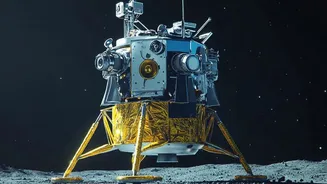
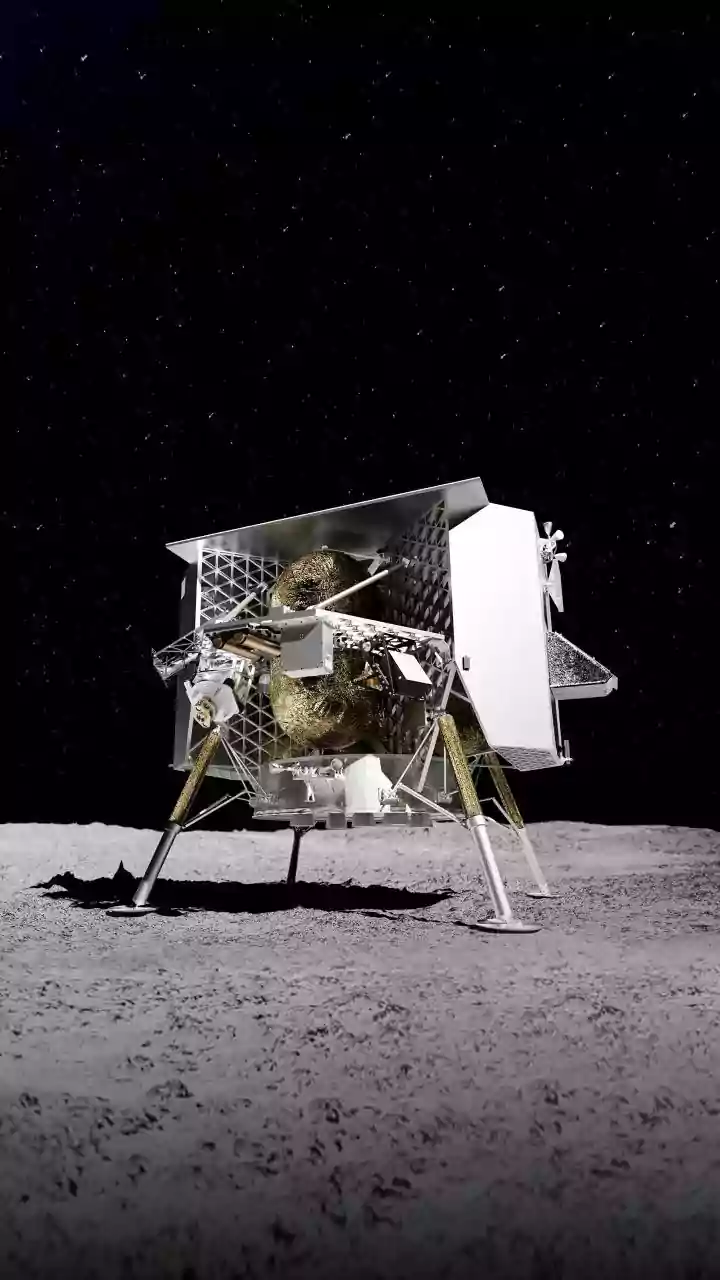
At the heart of this new wave of lunar exploration is NASA's Commercial Lunar Payload Services (CLPS) initiative. Think of it as a delivery service for the Moon. Instead of building every lander and rover itself, NASA is contracting with a growing roster
of American companies to transport its scientific instruments to the lunar surface. This public-private partnership, established in 2018, is designed to accelerate the pace of lunar science, reduce costs, and foster a commercial space economy. Companies like Astrobotic, Firefly Aerospace, and Intuitive Machines are building the landers that will serve as the workhorses of this effort, carrying dozens of NASA payloads to various lunar locations over the coming years. This model allows NASA to focus on the science and the broader goals of its Artemis program, which aims to establish a sustained human presence on the Moon.
Science for Survival: The New Payloads
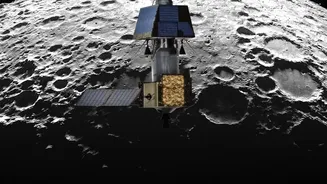
In a recent announcement, NASA revealed three new investigation suites selected through its Payloads and Research Investigations on the Surface of the Moon (PRISM) program, which will be delivered by CLPS partners. These aren't just abstract experiments; they are focused on solving the practical challenges of living on the Moon. One payload, the Lunar Environment Monitoring Station – South Pole (LEMS-SP), will act as a weather and hazard station. It’s designed to operate autonomously, monitoring for seismic activity (moonquakes), tracking micrometeoroid impacts, and studying the thin lunar atmosphere to understand potential hazards for future astronauts and hardware. Another key investigation is the Depth Imager with Spectral and Color Optics (DISCO), which will hunt for water ice hidden in the shadows of lunar craters and study how the surface reacts to rocket exhaust—critical data for landing and construction. Finally, a mission will probe the Marius Hills Pit, looking for underground lava tubes that could one day serve as natural shelters for astronauts, protecting them from radiation and extreme temperatures.
Answering Humanity's Oldest Questions
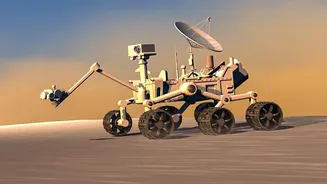
Beyond ensuring astronaut safety, these instruments will tackle fundamental scientific questions. The CLPS program is sending a wide variety of tools to explore the Moon's mysteries. Some instruments are designed to drill into the lunar regolith and measure heat flowing from the Moon's interior, offering clues about its formation and evolution. Others, like the Lunar Vertex payload, will use rovers to study strange magnetic anomalies on the surface known as 'lunar swirls', which could rewrite our understanding of the Moon's geology and magnetic history. Another fascinating payload suite, the Lunar Explorer Instrument for space biology Applications (LEIA), will carry yeast to the lunar surface. By monitoring how the yeast reacts to the radiation and partial gravity, scientists can better understand the biological risks for future human explorers, using this simple organism as a proxy for human DNA damage and repair.
Building a Blueprint for Artemis
Every piece of data gathered by these robotic missions is a crucial tile in the mosaic of the Artemis program. The ultimate goal is to establish a long-term 'Artemis Base Camp' at the Moon's South Pole, a region believed to be rich in resources like water ice. Information from the CLPS missions will directly inform the design of habitats, rovers, and life support systems. Knowing the stability of the soil, the radiation levels, the availability of water, and the frequency of meteoroid strikes is not academic—it's essential for engineering a sustainable human outpost. These early robotic steps are laying the scientific and logistical foundation needed to not just visit the Moon again, but to stay. They are de-risking the monumental challenge of long-duration human spaceflight and ensuring that when Artemis astronauts arrive, they have the knowledge needed to live and work safely.