


There's a quiet flavour revolution happening in Indian kitchens. Urban consumers are looking beyond mass-produced sauces, seeking out small-batch heritage condiments that promise a delicious taste of authenticity and a return to roots.
A Revolution in a Jar
For decades, the
Indian condiment shelf was predictable, dominated by a few large brands offering standardised pickles and sauces. But a change is underway. A new wave of artisanal producers is bottling up India's vast culinary heritage, one small batch at a time. These are not your average supermarket achaars; they are handcrafted products, often based on family recipes, that champion regional diversity and complex flavours that were once confined to home kitchens. This movement is a direct response to a growing consumer desire for products with a story, transparency, and a clear connection to their origins.
The Search for Authenticity
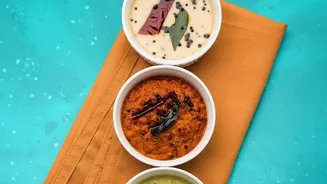
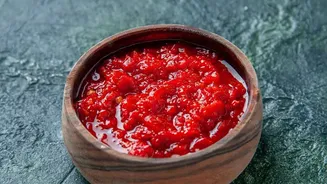
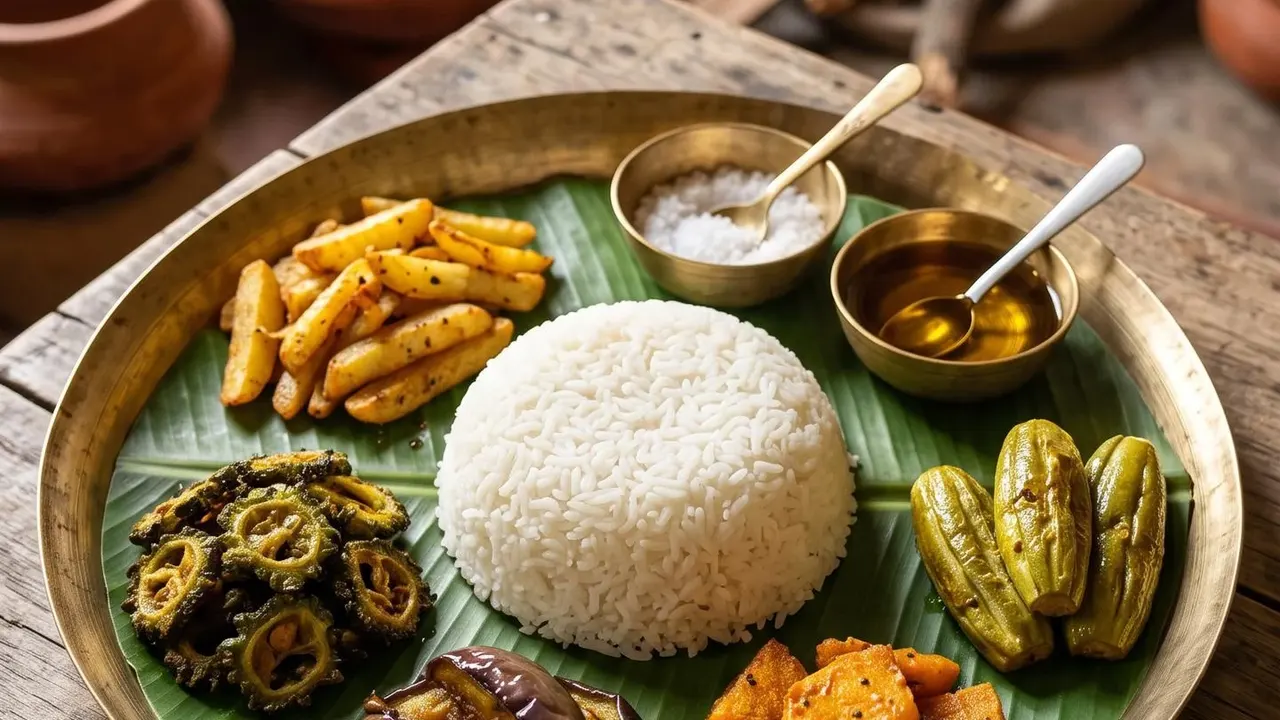
At the heart of this trend is a quest for authenticity. Modern consumers, especially those in urban centres, are seeking to reconnect with their cultural heritage through food. These small-batch condiments offer a direct line to that past, reviving forgotten recipes and celebrating regional specialities. You can now find pungent Bengali Kasundi, a fermented mustard sauce; Goan prawn balchão, a spicy-sour pickle; and fiery chutneys made from Nagaland's unique chillies and fermented soybeans available online and in gourmet stores. These products are more than just flavour enhancers; they are edible stories, preserving traditions passed down through generations.
Not Just Tastier, But Healthier
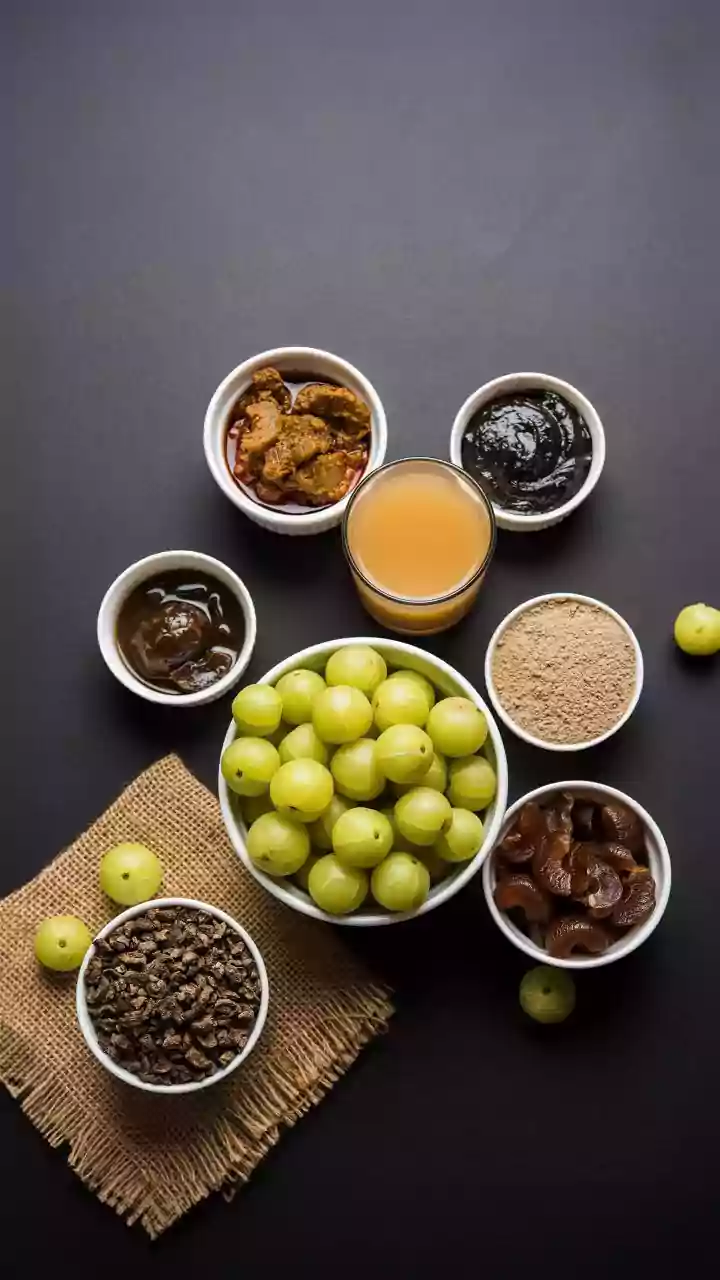
The claim of being 'healthier' is a significant driver of this trend. Unlike their mass-produced counterparts, which can be high in sodium, sugar, and artificial preservatives, small-batch condiments often pride themselves on clean labels. Many producers use natural preservation methods like sun-drying and fermentation, which not only enhance flavour but also introduce beneficial probiotics. Ingredients like turmeric, ginger, garlic, and various spices used in traditional pickles and chutneys are known for their antioxidant, anti-inflammatory, and immune-boosting properties. This aligns perfectly with the broader wellness shift, where consumers are willing to pay more for foods they perceive as pure and beneficial.
Meet the Artisans
Behind this movement are passionate food entrepreneurs, home chefs, and restaurateurs turning cherished family recipes into thriving businesses. Many of these brands started during the pandemic lockdown, as founders began experimenting in their own kitchens and sharing the results with friends and family. These producers maintain meticulous attention to detail, from sourcing high-quality local ingredients to overseeing every step of the production process. This hands_on approach ensures a higher quality, fresher product and allows for greater innovation and creativity with flavour combinations.
A Place in the Modern Pantry
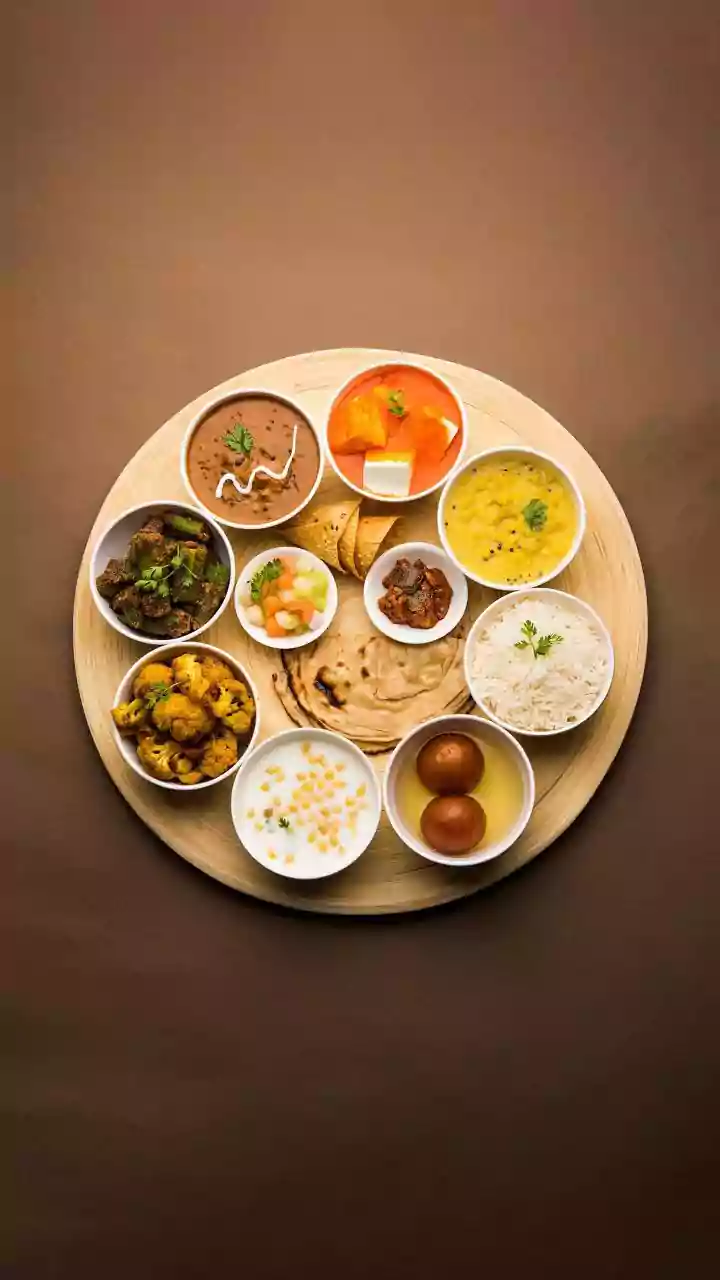
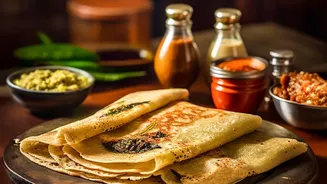
The true magic of these heritage condiments lies in their versatility. While they are perfect with traditional Indian meals, urban home cooks are finding inventive new ways to use them. A sharp, pungent kasundi can be whipped into a mayonnaise for sandwiches, a spicy pickle can be stirred into pasta sauce, and a dollop of chilli oil finds its way onto everything from dosa to eggs. These condiments are no longer just side players; they are becoming pantry staples that can elevate everyday meals and bridge the gap between traditional Indian flavours and global cuisines.