


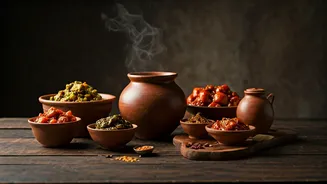


Beyond Superfoods: A Philosophy of Balance
Before açai bowls and quinoa salads became global staples, a sophisticated system of wellness already existed right here in India. This wisdom, deeply embedded in traditions like Ayurveda, isn't about chasing the next 'superfood.' Instead, it’s about a holistic
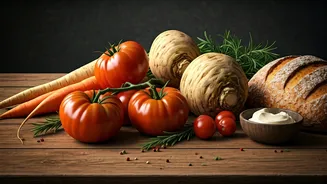
philosophy of balance. Think about the concept of the six tastes (Shad Rasa) — sweet, sour, salty, pungent, bitter, and astringent. A traditional Indian meal intuitively strives to include all six, not just for complexity of flavour, but because it is believed to promote satiety and ensure a broad range of nutrients. This approach encourages us to see food not as a collection of macros and calories, but as a source of nourishment that works in harmony with our bodies and the seasons. It’s a shift from restrictive dieting to mindful eating.
The Pharmacy in Your Masala Dabba
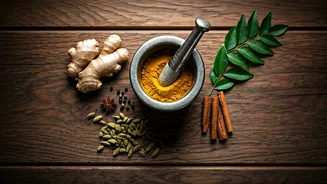
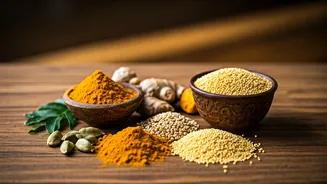
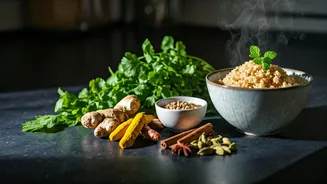
Your grandmother was right: the humble masala dabba is a treasure chest of wellness. Each spice is more than just a flavouring agent; it’s a functional ingredient with a long history of use for health. Turmeric, with its active compound curcumin, is celebrated for its potent anti-inflammatory properties. Ginger is a go-to for soothing digestive distress and nausea. Cumin seeds are known to aid digestion, while coriander has a cooling effect on the body. Fenugreek (methi) is traditionally used to help manage blood sugar. The modern wellness world is now catching up, with countless studies exploring the benefits of these spices. By simply cooking with a diverse range of fresh, whole spices, you are effortlessly incorporating this ancient pharmacy into your daily diet, making every meal an opportunity for nourishment.
The Glorious Return of Ancient Grains
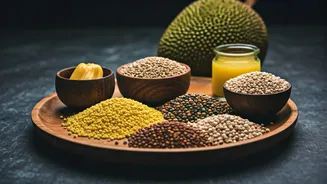
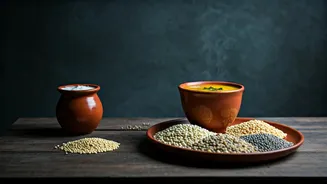
For decades, polished white rice and refined wheat flour dominated our plates. But now, we are seeing a heartening return to the ancient grains that were once the staples of our diverse subcontinent. Millets like jowar, bajra, and ragi are making a huge comeback, and for good reason. These grains are not only naturally gluten-free but are also packed with fibre, protein, and essential minerals. They are hardy, drought-resistant crops, making them a sustainable choice for the planet. Incorporating millets can help with better blood sugar control and improved digestive health. From soft ragi rotis and fluffy jowar bhakris to millet-based porridges and even upma, rediscovering these grains is a simple way to diversify your nutrient intake and connect with a more resilient, traditional way of eating.
Good Fats and Gut Feelings
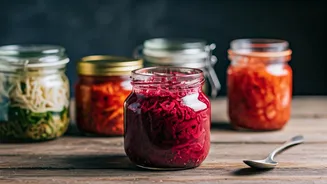
The conversation around wellness today is incomplete without mentioning gut health, and here too, Indian culinary tradition is ahead of the curve. Consider the role of fermented foods. A simple bowl of homemade dahi (yoghurt) is a fantastic source of natural probiotics that nurture a healthy gut microbiome, which is linked to everything from immunity to mental well-being. Similarly, traditional pickles, when fermented naturally and not loaded with excess oil and preservatives, can also be a source of beneficial bacteria. And what about fat? After years of being unfairly villainised, pure ghee is now being recognised as a source of healthy, stable fat rich in fat-soluble vitamins. Used in moderation for cooking, it provides a distinctive nutty flavour and a host of benefits that processed vegetable oils simply cannot match.