
The Philosophy of Gravy Batching
The secret to quick, flavourful Indian cooking on a busy weeknight isn't a shortcut—it's smart preparation. Restaurants manage to serve a variety of curries in minutes because they don't start from scratch for every order. They use master gravies. By
dedicating a couple of hours over the weekend to prepare foundational sauces, you front-load the most time-consuming parts of the process: chopping, browning onions, and simmering tomatoes. This 'gravy banking' method transforms your daily cooking from a one-hour chore into a 15-minute assembly job. For a solo professional, this means less food waste, healthier meals than daily takeaways, and the satisfaction of a restaurant-quality dish made in your own kitchen with minimal effort.
Your Three Essential Base Gravies
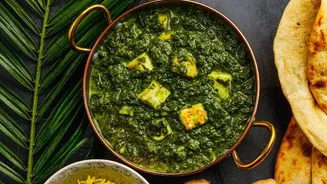
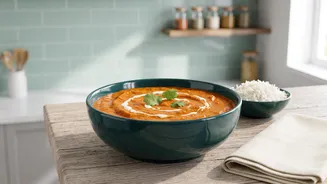
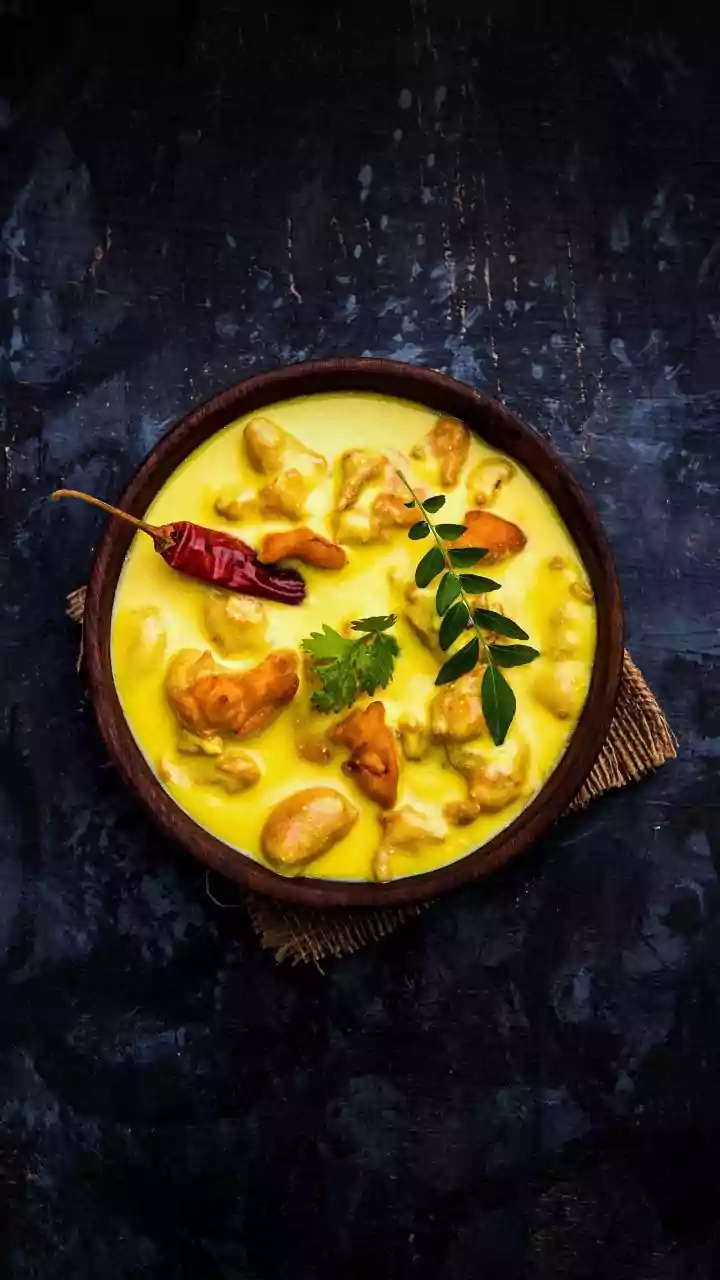
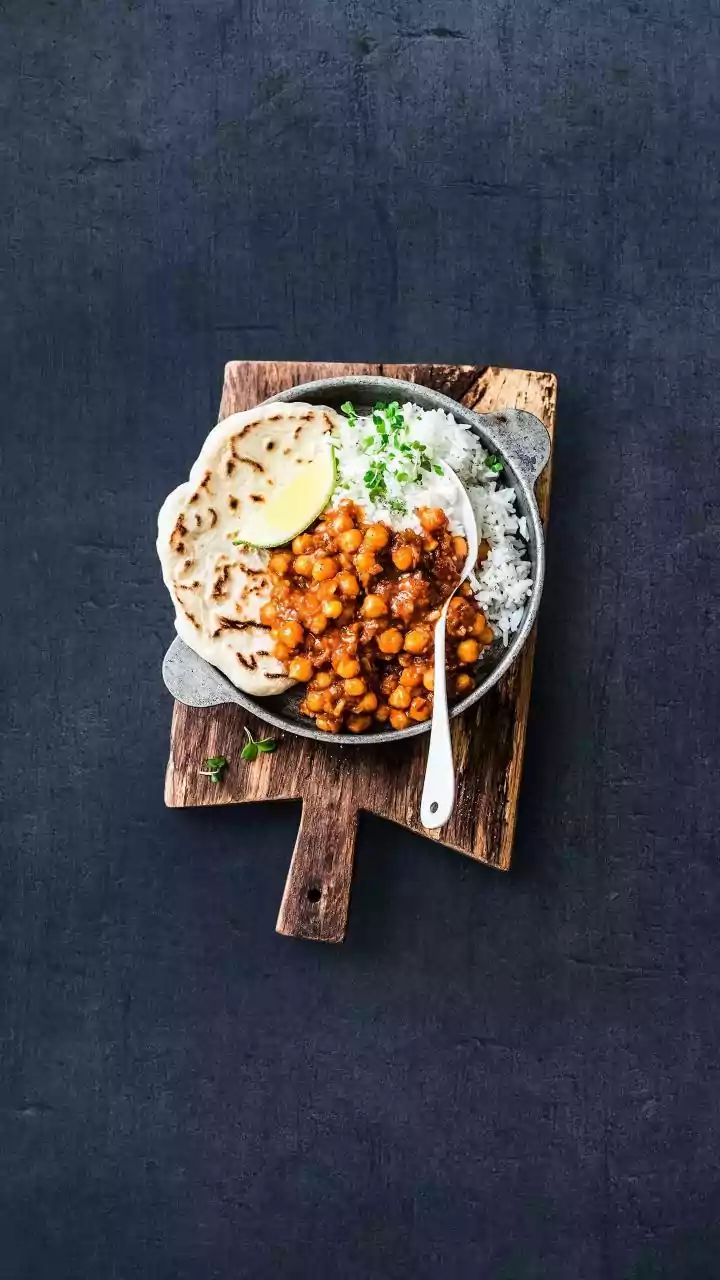
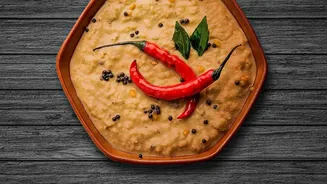
Instead of a single, one-size-fits-all sauce, preparing three distinct bases offers incredible versatility. This trio covers a wide spectrum of North Indian cuisine, allowing you to create dozens of different dishes. 1. The Universal Onion-Tomato Masala: This is the undisputed workhorse of the Indian kitchen. A slow-cooked blend of finely chopped or pureed onions, tomatoes, ginger, and garlic forms the foundation for classics like Chana Masala, Rajma, and many vegetable or chicken curries. 2. The Creamy White Gravy: Made from a paste of soaked cashews, and sometimes melon seeds or almonds, this gravy is rich, mild, and has a luxurious texture. It's the secret behind Mughlai dishes like Shahi Paneer, Malai Kofta, or a mild Navratan Korma. Its subtle flavour is perfect for showcasing vegetables or paneer. 3. The Vibrant Green Gravy: Typically spinach-based (palak), this gravy is packed with nutrients and has an earthy, fresh flavour. By blending blanched spinach with a light onion-tomato base, you get a sauce ready for Palak Paneer, Saag Aloo, or Hariyali Chicken.
Efficient Prep and Smart Storage
The key to making this system work is efficiency. Prepare all three gravies in one session. While the onions for one gravy are slowly caramelising, you can be pureeing tomatoes for another. Once cooked, allow the gravies to cool completely to room temperature before storing; this prevents condensation and preserves flavour. For storage, portioning is everything. As a solo diner, you don't need a large container. The best method is to use silicone ice cube trays or muffin moulds. Pour the cooled gravy into the trays and freeze. Once solid, pop the gravy 'cubes' out and transfer them to labelled zip-lock bags. This creates perfect single-serving portions. You can grab two or three cubes for a quick meal without defrosting a large batch. Gravies stored this way last for up to a week in the fridge and for as long as three months in the freezer, locking in flavour and freshness.
From Base to Brilliant Dinner in Minutes
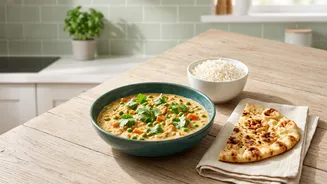
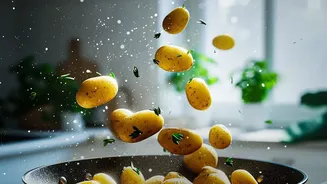
This is where your weekend investment pays off. On a Tuesday night, instead of starting from zero, you're already 90% done. To make your meal, simply heat a pan, drop in a few frozen gravy cubes with a splash of water, and let them melt into a bubbling sauce. From there, the possibilities are endless. Add boiled chickpeas and a sprinkle of chana masala to your onion-tomato base for an instant Chana Masala. Sauté some paneer cubes and add them to the white gravy with a dash of cream for a decadent Shahi Paneer. Drop some boiled potatoes into the green gravy for a quick Saag Aloo. You can add your choice of protein or vegetables, adjust the spices, and have a fresh, customised meal ready in less time than it takes for a delivery to arrive.