







The New Office: Paradise Found
The idea of working remotely from a tropical paradise isn't new, but Bali has perfected the formula. Post-pandemic, a massive wave of professionals, freed from physical offices, have flocked to the island. While the figure of 'millions' reflects the huge
global trend and the island's total tourism appeal over time, the concentration of digital nomads in hubs like Canggu, Ubud, and Uluwatu is undeniable and growing exponentially. These aren't just tourists on a long holiday; they are programmers, marketers, writers, and entrepreneurs building careers and companies from the comfort of a sun lounger. Indonesia's government is leaning into this, developing a 'digital nomad visa' that would grant a five-year, tax-free stay, signalling a long-term commitment to welcoming the world's remote workforce.
More Than Just Strong Wi-Fi
What makes Bali’s resorts so magnetic for remote workers? The answer goes far beyond a reliable internet connection. The new breed of worker-friendly resorts understands that productivity is intrinsically linked to well-being and community. They offer dedicated co-working spaces with ergonomic chairs and quiet zones, often just steps away from an infinity pool. But the real draw is the ecosystem. These places cultivate a sense of community through organised events, skill-sharing workshops, and communal dining. After a day of video calls, you can join a sunset yoga session, take a surf lesson, or network with fellow professionals from around the world. It’s a holistic approach that blends work, wellness, and social life seamlessly.
What 'Eco-Friendly' Really Means
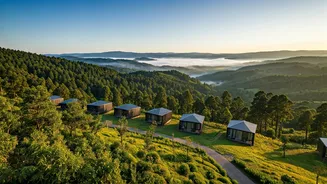
The 'eco' in eco-resort is a critical part of the appeal for a generation that values sustainability. In Bali, this is more than just a marketing buzzword. True eco-resorts are built on principles of harmony with nature. This often translates to stunning bamboo architecture that blends into the landscape, minimising the use of concrete. It means employing staff from local villages, ensuring tourism benefits the community directly. Dining is frequently a farm-to-table affair, with organic produce grown on-site or sourced from nearby farms. These resorts also implement rigorous waste management programs, water conservation systems, and ban single-use plastics. For remote workers, this means their long-term stay contributes positively to the local environment and economy, allowing them to live and work with a clear conscience.
The Growing Indian Connection
For remote workers from India, Bali presents an almost perfect proposition. The 30-day visa-on-arrival makes short-term stays incredibly simple, and the time difference (just 2.5 hours ahead of IST) means you can easily keep up with work back home. Direct flights are becoming more common, and the flight duration is far more manageable than a trip to Europe or the Americas. Culturally, the deep-rooted Hindu traditions visible across Bali create a sense of familiarity and comfort. Moreover, the cost of living, while rising, can still be significantly lower than in major Indian metro cities, especially when it comes to housing and daily expenses. This combination of logistical ease, cultural resonance, and financial viability makes it a top-tier choice for Indian digital nomads.
The Practical Realities of Paradise
While the dream is compelling, it’s important to approach it with a practical mindset. The current visa-on-arrival requires a 'visa run'—leaving and re-entering the country—every 60 days, though the upcoming digital nomad visa aims to solve this. While Bali can be affordable, popular areas like Canggu have seen prices rise, so budgeting is key. Choosing the right place is also crucial. Some resorts are geared towards a party-centric crowd, while others are serene, wellness-focused retreats. The key is to research and find a community that matches your work style and personal preferences. The magic of Bali lies in finding your tribe and your rhythm amidst the rice paddies and the waves.