





Why Humidity Is a Microbe's Best Friend
The defining feature of the monsoon season, besides the rain itself, is the spike in humidity. When the air is saturated with moisture, it creates the perfect breeding ground for bacteria, mould, and fungi. These microorganisms thrive in damp, warm conditions,
and your kitchen counter can quickly become an incubator. Food items that would normally last for hours at room temperature can spoil much faster. The moisture in the air settles on food surfaces, providing the hydration that dormant bacteria need to multiply rapidly. This accelerated growth is what leads to quicker spoilage, off-flavours, unpleasant odours, and an increased risk of foodborne illnesses like stomach infections and food poisoning.
High-Risk Foods on Your Countertop
Not all foods are equally vulnerable. During the monsoon, certain items left at room temperature pose a much higher risk. Cooked foods, especially gravies and dals, are prime targets. Leftovers should be refrigerated as quickly as possible, ideally within two hours of cooking. Dairy products, including milk, paneer, and yoghurt, spoil very quickly. Perhaps most surprisingly, cut fruits and vegetables are extremely susceptible. The moment a fruit or vegetable's skin is broken, its natural defence is compromised. The exposed, moist flesh becomes a welcoming surface for airborne bacteria, which multiply at an alarming rate in the humid air. Leafy green vegetables, which can trap moisture and dirt, are also particularly risky if not handled correctly.
Rethink Pre-Cut and Street Food
The convenience of buying pre-cut fruits and vegetables from a vendor is tempting, but it's a habit worth pausing during the rainy season. You have no way of knowing how long ago they were cut or the hygiene conditions under which they were handled. Given the speed at which bacteria can grow on exposed produce, it's far safer to buy whole fruits and vegetables and cut them yourself just before consumption. Similarly, be extra cautious with street food. While a hot samosa or bhaji is a classic monsoon treat, items like chaat, chutneys, and pre-made juices often use raw ingredients and water that may be contaminated. Opt for vendors who prepare food fresh in front of you and maintain visibly high standards of cleanliness.
Mastering Monsoon Food Storage
Your refrigerator is your most valuable ally during the monsoon. Don't let cooked food cool down on the counter for hours; store it in the fridge as soon as it's no longer steaming hot. Airtight containers are a must-have. They prevent food from absorbing excess moisture from the air and protect it from cross-contamination. For dry goods like pulses, grains, and spices, which can clump or grow mould, airtight jars are essential. It’s also wise to separate raw meat and eggs from other foods in the refrigerator to prevent their juices from dripping and contaminating other items. For vegetables, washing them thoroughly and patting them dry before storing can extend their life and reduce the risk of spoilage.
Smart Cooking and Consumption Habits
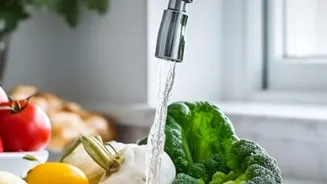
Beyond storage, a few adjustments to your cooking routine can make a big difference. Wash all produce, especially leafy greens, very thoroughly. Soaking them in a bowl with a bit of salt or vinegar for a few minutes before a final rinse can help dislodge stubborn germs. Cook food thoroughly, as heat is effective at killing harmful bacteria. During this season, it’s better to cook in smaller batches that can be consumed in a single meal, minimising the need for storing leftovers. When you do have leftovers, be sure to reheat them until they are steaming hot all the way through before eating. This helps to kill any bacteria that may have started to grow during storage. Finally, boosting your immunity with foods rich in Vitamin C and antioxidants, like citrus fruits and freshly made soups, can give your body an extra line of defence.