





A New Era of Ambition
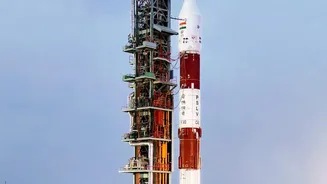
For much of its history, ISRO focused on a socio-economic model, using space technology for satellite communication, weather forecasting, and resource management. While immensely successful, this approach is now being complemented by a grander vision.
The next decade for ISRO is defined by four key pillars: establishing a human presence in space, conducting complex interplanetary landings, deepening international scientific collaboration, and asserting itself in the global space economy. This evolution marks a transition from a regionally-focused agency to a global space power with ambitions across the solar system.
The Human Frontier: Gaganyaan and Beyond
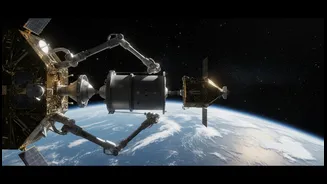
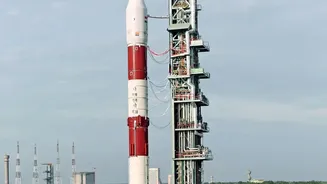
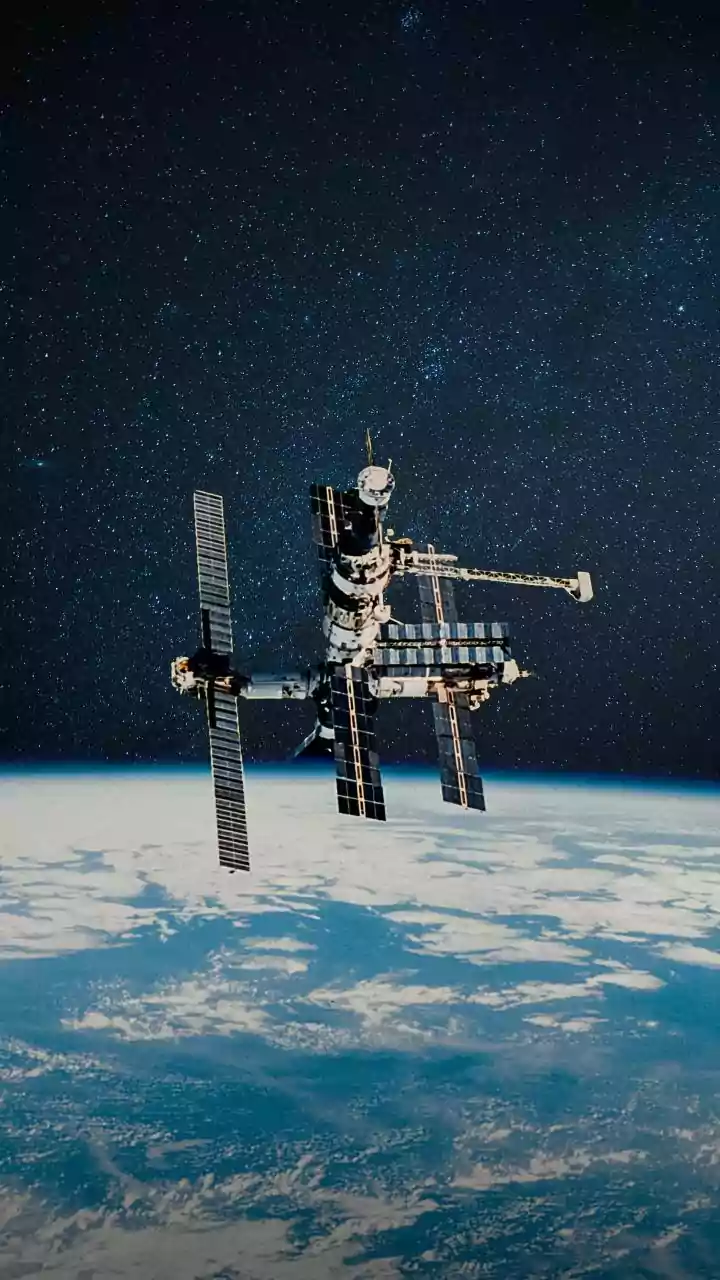
The most significant leap is undoubtedly the Gaganyaan programme, India's quest to send its own astronauts into orbit. Following a series of uncrewed test flights scheduled for 2026, the first crewed mission is targeted for 2027, which would make India the fourth nation to achieve independent human spaceflight. The G1 and G2 missions in 2026 will test the crew module, life support systems, and even fly a humanoid robot named Vyommitra to validate all systems before astronauts take flight. But Gaganyaan is just the beginning. It serves as the foundational step toward a much larger goal: the Bharatiya Antariksha Station (BAS). ISRO plans to launch the first module of this indigenous space station by 2028, with the aim of having it fully operational by 2035. This will allow for long-duration astronaut stays of three to six months, enabling sustained microgravity research.
Deepening Our Celestial Footprint
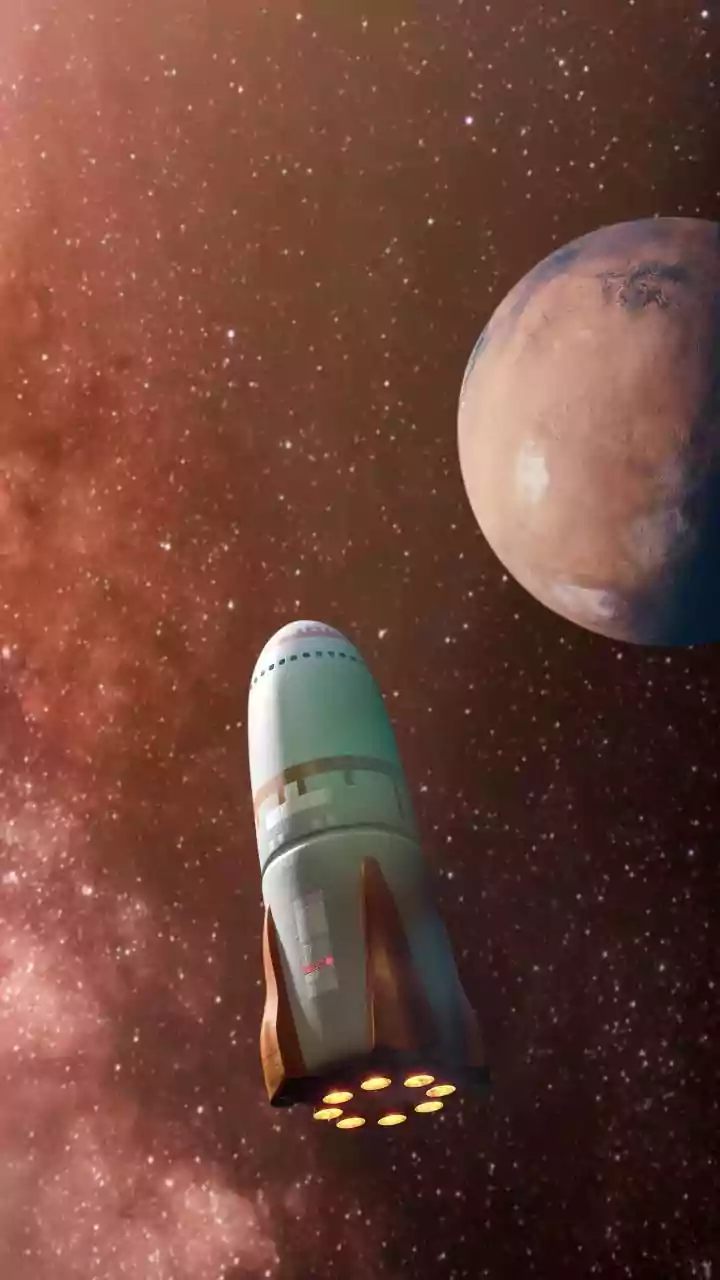
Building on the success of its lunar and Martian orbiters, ISRO is now planning more complex missions that involve landings and resource exploration. A Mars lander mission, often referred to as Mangalyaan-2, is in the works, with a potential launch window between 2028 and 2030. Unlike its predecessor, which was an orbiter, this mission aims to soft-land on the Martian surface, a feat only achieved by a few nations. Closer to home, the Moon remains a key focus. The Lunar Polar Exploration Mission (LUPEX), a joint project with Japan's space agency (JAXA), is planned for no earlier than 2028. For this mission, ISRO will provide the lander, while JAXA will contribute the rover. LUPEX will explore the Moon's south pole to investigate the quantity and quality of water ice, a critical resource for future sustainable exploration.
Science, Climate, and Collaboration
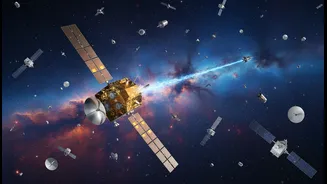
ISRO's evolving strategy also includes a strong emphasis on scientific discovery and international partnerships. The Shukrayaan-1 mission, an orbiter to Venus, is planned for a 2028 launch. It will study the dense, toxic atmosphere and volcanic surface of Earth's 'twin', aiming to understand why it evolved so differently. The mission includes collaborations with space agencies from Sweden, Russia, and Germany. Another key collaboration is the NISAR (NASA-ISRO Synthetic Aperture Radar) satellite. Launched in 2025, this joint mission with NASA is the world's most expensive Earth-imaging satellite, designed to monitor changes in ecosystems, ice sheets, and natural hazards with unprecedented detail. By tracking changes as small as a centimeter, NISAR provides critical data for climate change research and disaster management, showcasing India's commitment to using space for planetary well-being.