



The Protein Power Play
The headline says it all, and the difference is stark. Puffed quinoa is the undisputed champion in the protein department. While the exact amount can vary by brand, puffed quinoa generally contains around double the protein of puffed rice. A 100-gram
serving of puffed quinoa can offer up to 14 grams of protein, whereas puffed rice typically provides about 6 or 7 grams. What makes quinoa's protein even more impressive is its quality; it is a 'complete protein', meaning it contains all nine essential amino acids that your body can't produce on its own. This makes puffed quinoa an excellent choice for vegetarians, vegans, and anyone looking to support muscle repair and feel fuller for longer.
The Carbohydrate Conversation
Both puffed quinoa and puffed rice are primarily sources of carbohydrates, which your body uses for energy. However, the type and context of these carbs matter. Puffed rice is almost entirely composed of simple carbohydrates, leading to a higher glycemic index (GI). This means it can cause a rapid spike in blood sugar, followed by a potential crash. Puffed quinoa, on the other hand, has a more moderate glycemic index. The presence of more protein and fibre in quinoa helps to slow down the absorption of sugar into the bloodstream, providing more sustained energy without the dramatic peak and trough.
Fibre and Micronutrient Density
Beyond protein, puffed quinoa continues to lead in overall nutrition. It is significantly higher in dietary fibre compared to puffed rice, which often has very little. Fibre is crucial for digestive health, promoting regularity and contributing to a feeling of satiety, which can help with weight management. Furthermore, puffed quinoa is a powerhouse of micronutrients. Even after the puffing process, it retains a good amount of essential minerals like magnesium, iron, and manganese, which are vital for everything from nerve function to oxygen transport in the blood. Puffed rice, being more refined, contains far fewer of these valuable micronutrients unless it has been artificially fortified.
Texture, Taste, and Culinary Use
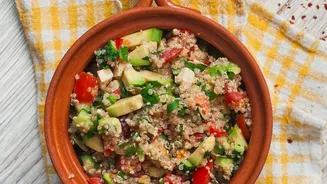
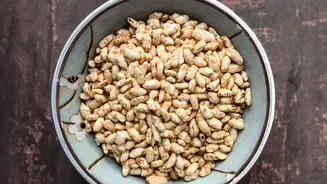
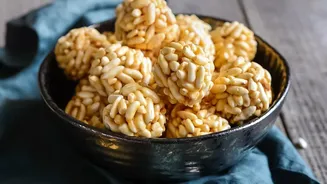
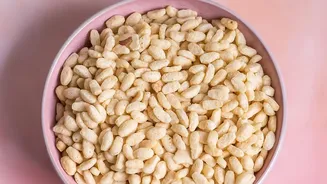
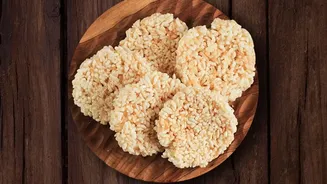
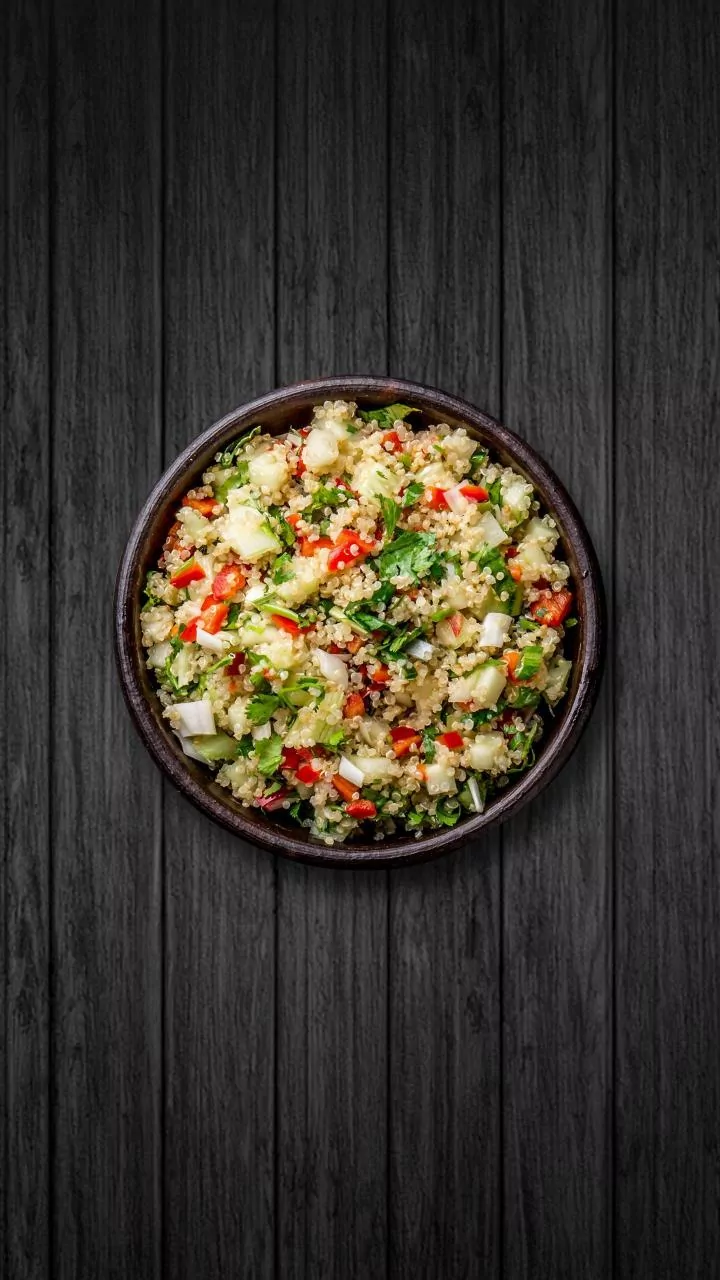
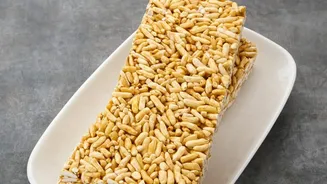
Nutritionally, quinoa seems to have a clear edge, but what about in the kitchen? Puffed rice, known as 'murmura' in India, is incredibly light, airy, and has a neutral taste, making it a versatile ingredient in snacks like bhel puri or as a low-calorie filler in breakfast cereals. Its main drawback is that it can become soggy quickly. Puffed quinoa has a nuttier, more distinct flavour and a denser, crunchier texture. This makes it a satisfying snack on its own, a great topping for yoghurt or salads, and a robust addition to granola bars and energy balls where it holds its crunch better than puffed rice.
Making the Right Choice for You
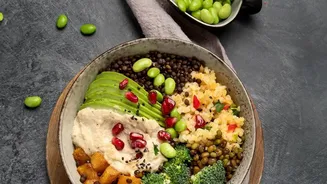
So, which one should you choose? It depends entirely on your goals. If you're looking for a nutrient-dense food that provides lasting energy, high-quality protein, and beneficial fibre, puffed quinoa is the superior option. It’s ideal as a post-workout snack, a substantial breakfast component, or for anyone wanting to add more nutritional value to their diet. If, however, your primary goal is to add light, crunchy volume to a dish for minimal calories, puffed rice can be a suitable choice. It serves well as a low-calorie base for other flavours, but it should be seen as more of a crunchy filler than a source of core nutrition.